




Harley vs Triumph: Comparing Iconic Motorcycle Brands
Harley-Davidson and Triumph represent two storied brands in the motorcycle world, each with over a century of heritage and a loyal fan base. Both brands have a loyal fan base and maintain a cult-like following, adapting to changing market dynamics while preserving their legacies.
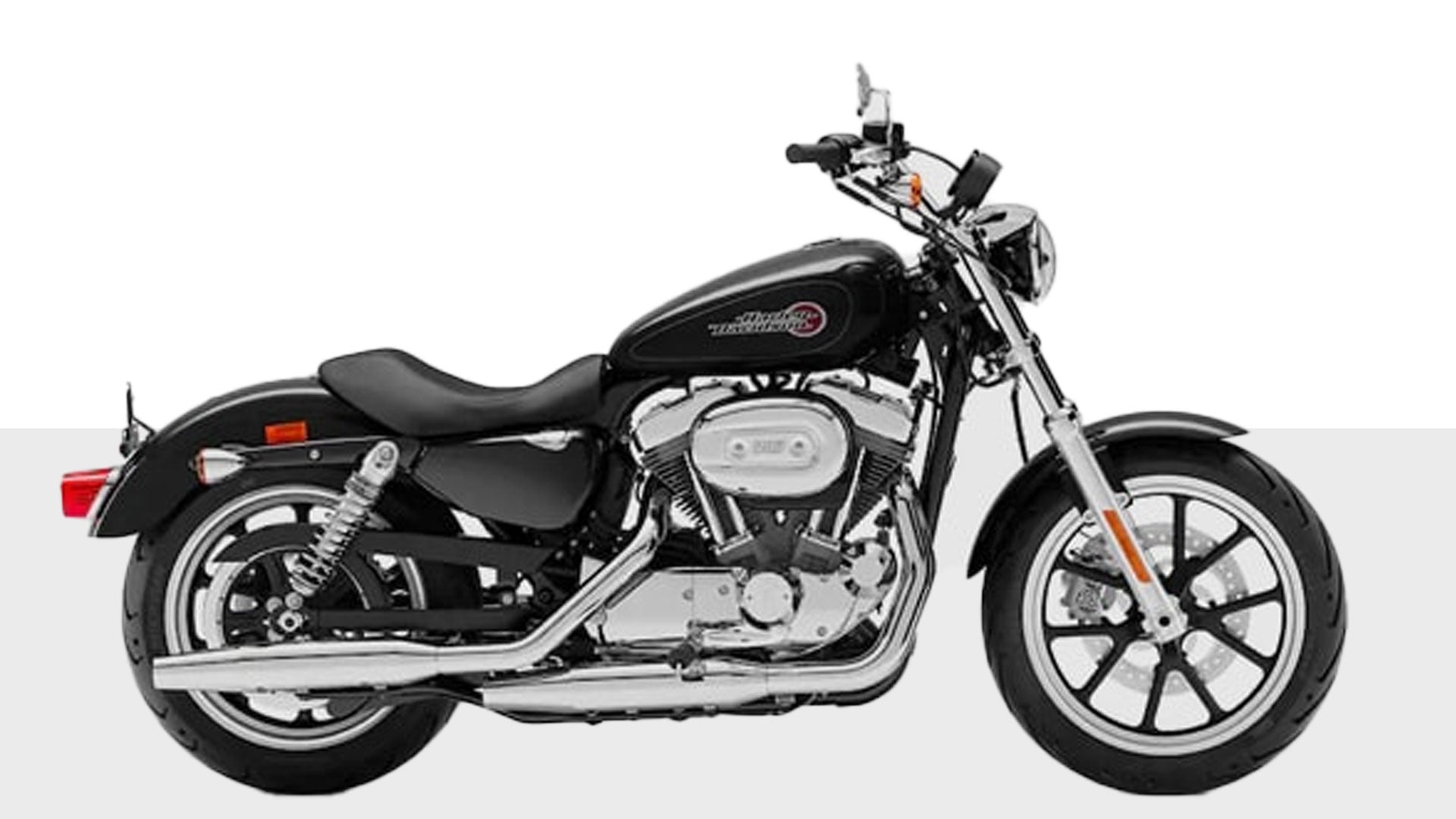
Summary Comparison: Triumph vs Harley-Davidson
|
Aspect |
Triumph |
Harley-Davidson |
|---|---|---|
|
Handling |
Generally better handling and ride quality |
Heavier, less agile |
|
Customization |
Less customizable, more practical design |
Extensive customization options |
|
Technology |
Advanced tech: TFT screens, rider-assist modes |
Focus on traditional features |
|
Comfort |
More comfortable for daily commuting, lighter weight |
Comfort focused on long-distance cruising |
|
Model Range |
Broader range: streetfighters, adventure, sport-tourers |
More defined segment, iconic cruisers |
|
Design Philosophy |
Technical prowess, engineering variety |
Vintage-inspired, robust performance focus |
|
Ride Quality |
Refined, precise, agile |
Raw power, rugged, classic cruiser feel |
Introduction to Iconic Motorcycles
This guide is for riders considering a new motorcycle or enthusiasts interested in the differences between Triumph and Harley-Davidson. We compare brand history, design, engineering, community, and rider experience to help you decide which brand fits your style. Choosing between these two iconic brands can shape your riding lifestyle and community experience.
The world of motorcycles is filled with legendary brands, but few names carry as much weight as Harley Davidson and Triumph Motorcycles. These two brands have captured the imagination of riders across generations, each offering a unique blend of power, style, and culture. For many, choosing between Harley and Triumph isn’t just about picking a bike—it’s about embracing a lifestyle. The classic image of the “Harley guy” cruising down the highway on a powerful, air-cooled V-twin is as iconic as it gets, representing freedom, adventure, and a sense of belonging among Harley riders. On the other hand, Triumph Motorcycles bring a distinct British flair to the road, with a lineup that ranges from agile sport bikes to timeless cruisers, appealing to riders who appreciate both performance and heritage.
Whether you’re drawn to the raw power of a Harley touring bike or the nimble handling of a Triumph Storm, both brands deliver a top-notch riding experience. Harley Davidson is known for its smooth ride and unmistakable rumble, making long rides on models like the Fat Bob or V Rod a true pleasure. Triumph riders, meanwhile, often rave about the versatility and fun factor of their bikes, from the classic Bonneville to the modern Triumph Bobber. No matter your riding style—be it laid-back cruising, spirited sport riding, or epic touring—there’s a model from these two brands that’s sure to fit the bill.
Ultimately, the most important factor when choosing between Harley Davidson and Triumph Motorcycles is finding the bike that matches your personality and riding needs. Are you after the classic, cool vibe of a Harley, or the refined performance and agility of a Triumph? Maybe you want a bike that’s perfect for long rides on the open road, or something that handles city traffic with ease. The best way to decide is to take a test ride and experience the ride quality for yourself. Both brands offer a range of cool bikes that are just as much fun to ride as they are to look at, ensuring that every journey is memorable.
So whether you’re a seasoned rider or just starting your journey, remember that the right bike is the one that brings you the most joy and confidence on the road. With their rich histories, commitment to innovation, and passionate communities, Harley Davidson and Triumph Motorcycles continue to set the standard for what makes motorcycles truly great. Ride safe, enjoy the adventure, and discover which of these iconic bikes is the perfect match for your riding dreams.
Brand History
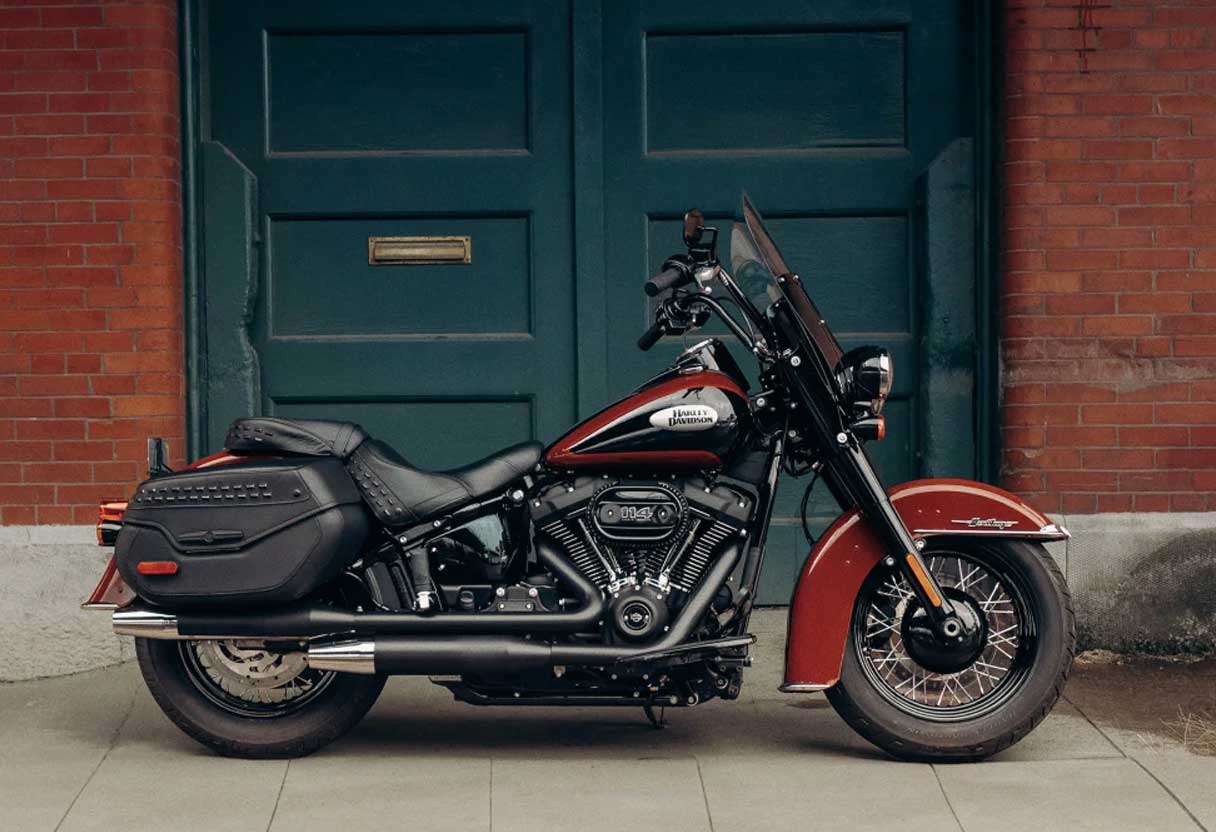
The histories of Harley-Davidson and Triumph Motorcycles span over a century, with each brand carving out its distinct place in cultural and motorcycling history. Both brands have been featured in movies, have been ridden by bikers, and have a very strong and deep history.
H-D is known for its traditional styling, iconic V-twin engines, and a design philosophy that emphasizes classic American cruiser aesthetics. Triumph, on the other hand, is celebrated for its British engineering, parallel-twin engines, and a legacy of performance and innovation. Many older Harley riders and HD owners have a huge respect for Triumph, recalling their own experiences with the brand in the past.
The rivalry between Triumph and Harley-Davidson has led to a unique culture where both brands have their own loyal communities that celebrate their respective histories and identities.
Harley-Davidson Origins
Founded in 1903 by William S. Harley and Arthur Davidson in Milwaukee, Wisconsin, Harley-Davidson (H-D) quickly established itself as a major player in the motorcycle manufacturing world.
Harley-Davidson carries a deep-rooted, iconic American brand identity with a larger community network.
The company survived the Great Depression and secured government contracts for military use during both World Wars, which solidified its presence in the industry.
Triumph Motorcycle Legacy
Triumph Motorcycles, established in 1902 in Coventry, England, by Siegfried Bettmann and Maurice Schulte, is revered as the oldest British motorcycle brand. Triumph motorcycles are often seen as status symbols, renowned for their elegance and adventure-riding image.
Triumph has weathered multiple ownership changes and financial challenges, particularly during the 1980s. However, it has experienced a resurgence in recent years and continues to be an influential brand globally, shaping the life and lifestyle of many riders.
Motorcycle Design and Engineering
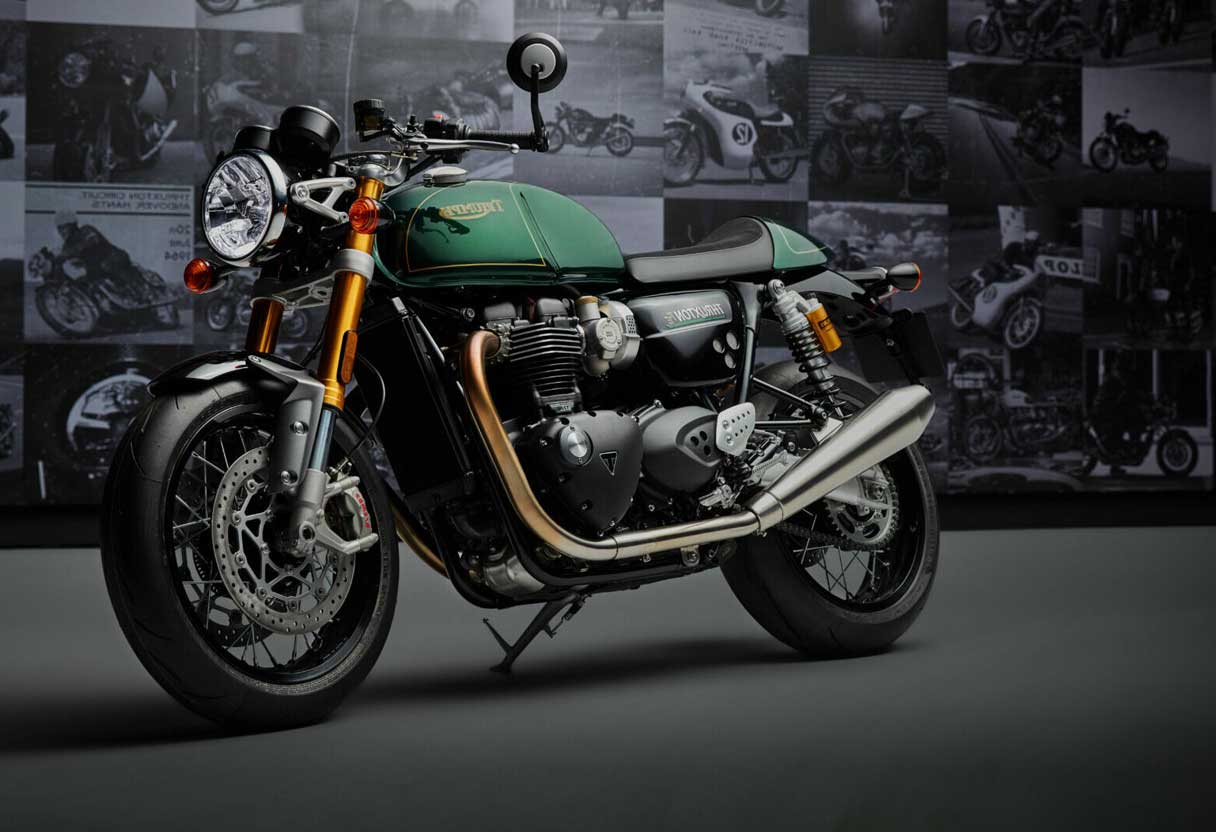
Customization and Practicality
When comparing Harley-Davidson and Triumph in terms of motorcycle design and engineering, one observes distinct brand philosophies. Compared to other major brands like BMW, Honda, Suzuki, and Yamaha, Harley-Davidson and Triumph offer unique approaches to engineering, ride quality, and features, with BMW often seen as a benchmark for handling and innovation, and Honda, Suzuki, and Yamaha recognized for their reliability and practicality.
Harley-Davidson (HD) embodies a robust design ethos with a focus on performance and iconic style. Many HD models use a traditional two cylinders engine configuration, emphasizing raw power and a classic riding experience. The customization options for Harley-Davidson bikes are extensive, allowing riders to personalize their motorcycles to a great degree, whereas Triumph motorcycles are often seen as more practical in design but less customizable.
Technology and Handling
Triumph is noted for its technical innovations and broad range of models, including sport bikes. Triumph motorcycles are generally perceived to have better handling and ride quality compared to Harley-Davidson models, which are often heavier and less agile. Triumph bikes frequently include advanced technology like TFT screens and rider-assistance modes, enhancing comfort and safety.
Triumph motorcycles are often considered more comfortable for daily commuting due to their lighter weight. Triumph has a broader range of models, including naked streetfighters, adventure bikes (like the Tiger), and sport-tourers, which makes it stand out among different bikes in the same class.
Harley-Davidson Aesthetics and Performance
Harley-Davidson motorcycles are renowned for their iconic design and rumbling V-twin engines, which offer a unique sound and riding experience.
The design aesthetic of HD bikes leans towards a vintage-inspired look, with eye-catching chrome finishes and an attention to detail that speaks to their long-standing heritage.
Performance-wise, HD models tend to emphasize low-end torque suitable for cruising and traditional riding experiences. Pulling into a gathering on a Harley-Davidson often draws attention, with the bike's presence and sound commanding respect from fellow riders.
Design Highlights:
-
Vintage-inspired aesthetics
-
Chrome accents and attention to detail
Performance Characteristics:
-
Emphasis on low-end torque
-
Signature V-twin engine sound
-
The Milwaukee-Eight VVT 117 engine in 2026 Harley models provides significant low-end torque, ideal for highway cruising with heavy loads.
Triumph Technical Innovations
Triumph motorcycles, on the other hand, showcase a commitment to technical prowess and engineering variety. Triumph bikes are often described as refined and precise, offering a sharp contrast to Harley-Davidson motorcycles, which are known for their raw power and ruggedness.
Triumph’s range extends from classic retro designs to modern sports bikes and cruisers. They invest in research and development, which is evident in their cutting-edge engine technology, responsive throttle, and the versatility of their product offerings including advanced rider-assistance systems. The agile, lively handling of Triumph motorcycles gives them a bit of extra flickability and makes them feel more like a bicycle in terms of maneuverability, contributing to a fun and engaging ride. Thanks to their lighter weight, Triumph motorcycles are often considered more comfortable for daily commuting.
-
Product Range:
-
Streetfighters, sportbikes, cruisers, tourers, and retro bikes
-
-
Engineering Advancements:
-
Cutting-edge engine designs
-
Advanced rider-assistance features
-
Cultural Impact and Community
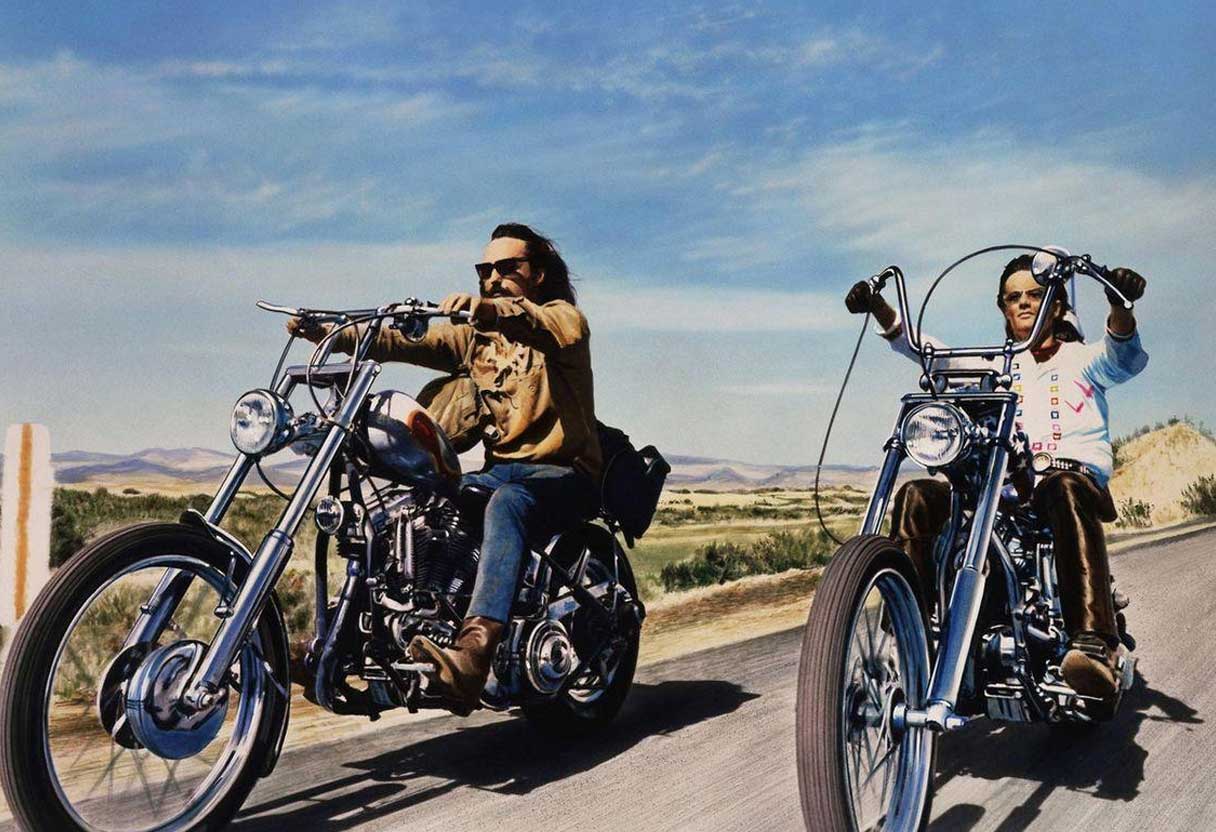
When evaluating the cultural significance of Harley-Davidson and Triumph, one observes a deep-rooted sense of identity and community. Harley-Davidson riders often embody a sense of freedom and rebellion, while Triumph riders appreciate craftsmanship and a blend of classic styling with modern performance. Many riders who own both brands appreciate the distinct riding experiences each offers, with some preferring the raw power of Harley-Davidson and others favoring the refined handling of Triumph.
Within these communities, camaraderie is strong—riders frequently gather with friends to share stories, compare bikes, and enjoy friendly rivalries. Both Harley-Davidson and Triumph riders enjoy the attention their bikes attract, but Triumph riders often feel their bikes are more appreciated by fellow motorcyclists. During community events or group rides, there is often a moment to wait and reflect on the unique experiences each brand provides. There is hope that this mutual respect and enjoyment will continue to thrive, fostering lasting connections and shared passion among enthusiasts.
Harley-Davidson in Pop Culture
Harley-Davidson, often referred to as H-D, represents not just a motorcycle brand but also a compelling presence in American pop culture.
The brand has been featured prominently in films, music, and television, acting as a symbol of freedom, rebellion, and Americana.
For instance, the iconic appearance of Harley motorcycles in classic films such as Easy Rider and The Wild One has cemented their status as cultural icons.
The community around Harley-Davidson is characterized by a sense of camaraderie, with HD owners sharing a strong bond and mutual support that is celebrated at rallies and events drawing in vast numbers of Harley enthusiasts. This shared ethos among HD owners sets them apart, as Triumph riders tend to focus more on the technical aspects and performance of their bikes.
Triumph's Global Community
Triumph maintains a fervent global community, thriving on a legacy of British engineering and a reputation for classic style and performance.
Triumph motorcycles are also seen as status symbols across the world, renowned for their elegance and adventure-riding image.
Their riders are diverse, participating in a range of events from urban ride-outs to long-distance tours, demonstrating the versatility and adaptability of the Triumph marque within different cultures and contexts. Triumph riders tend to focus more on the technical aspects and performance of their bikes, which sets them apart in the global comparison of the two brands.
The community’s bond is also reflected in online forums and clubs where enthusiasts from across the globe connect and share their passion for Triumph motorcycles.
Rider Experience and Lifestyle
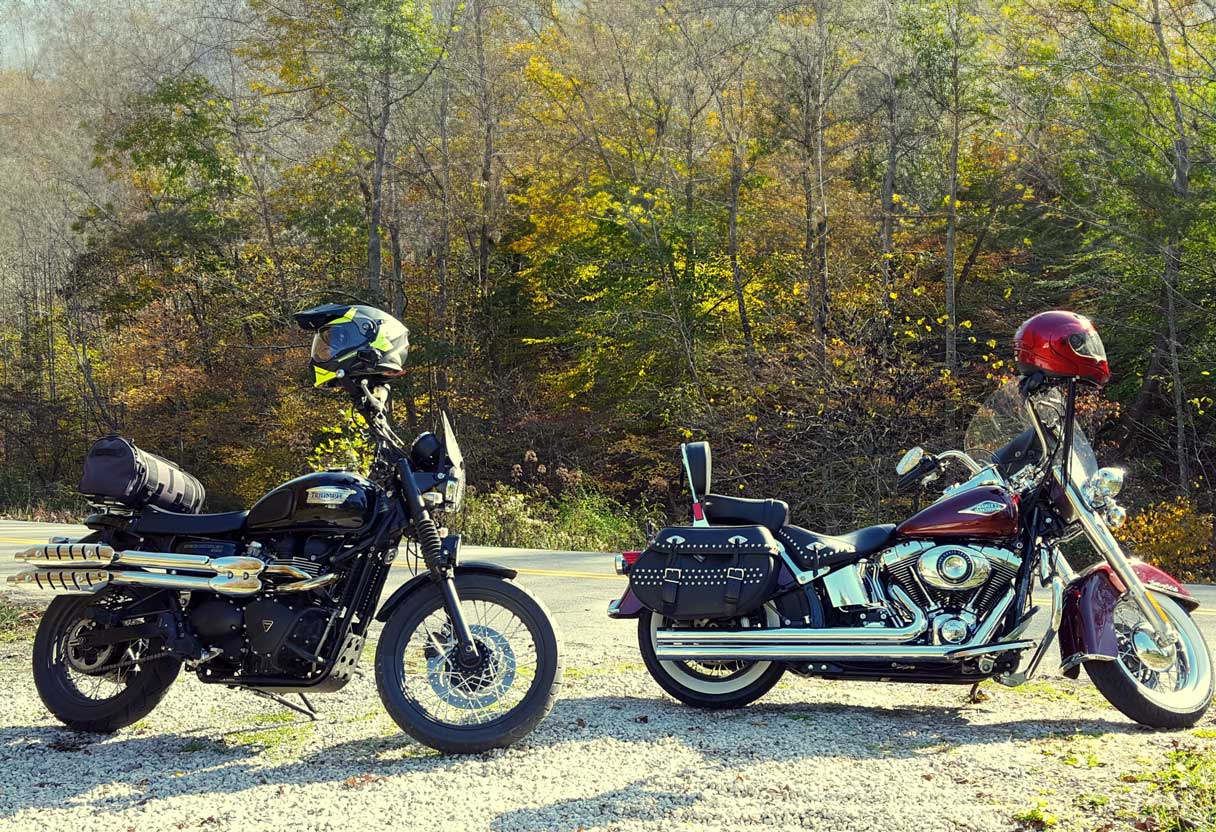
The motorcycle brand one chooses often reflects their approach to riding and the associated lifestyle, much like choosing between driving a car for comfort or a bike for a more connected, visceral experience.
Harley-Davidson and Triumph represent distinct rider experiences and philosophies that resonate with their respective enthusiasts. Riders who have owned or ridden two bikes—such as a Harley and a Triumph—often note the different riding styles each brand encourages. The Triumph Bobber, for example, is frequently described as feeling more like an extension of the rider's body, while Harley models can feel bulkier and require more effort to maneuver, especially when you need to park in tight urban spaces. The Triumph Bobber's seat height of just 690mm makes it accessible for shorter riders, and its saddle and seat are designed for comfort during short rides, with a pillion seat available for passengers. In contrast, Harley-Davidson models like the Street Bob, which weighs approximately 304kg and features a longer wheelbase, offer greater stability and comfort for longer distances, making them a preferred choice for those who don't want to wait for comfort on extended journeys.
Urban vs. Long-Distance Riding
When it comes to street riding, the Triumph Bobber excels with its easy steering and excellent handling, especially in corners, and is designed for short, sharp bursts of speed and acceleration—perfect for urban environments. The Bobber's engine is a detuned, torquier version of the latest, water-cooled, T120 Bonneville, making it more fun for shorter rides, while Harley-Davidson models are often chosen for their comfort and stability over longer distances. The practicality of parking also comes into play, with Triumph's lighter weight and maneuverability making it easier to park in crowded city areas.
Dealer Network and Service
Harley-Davidson's extensive global dealer network means you rarely have to wait long to find parts or service, adding to the brand's appeal for long-distance riders. The rivalry between these two brands has fostered unique cultures and loyal communities, each celebrating their own histories, identities, and the distinct experiences offered by their bikes.
The Harley Riding Philosophy
Harley-Davidson stands for a deep-rooted American tradition, and its riding philosophy leans heavily on a sense of freedom and a rebel lifestyle. Harley-Davidson riders often embody this spirit of freedom and rebellion, which is a defining characteristic of the brand.
HD owners are typically loyal to the brand and participate in a community that’s as much about camaraderie as it is about the bike. The loyalty among HD owners is well-known, and it often fuels the friendly rivalry between Harley and Triumph enthusiasts, with each group taking pride in their unique riding culture.
-
Cruising: Long rides on open roads, feeling the power of the bike.
-
Customization: Personalizing their motorcycles to reflect individual style.
-
Social Riding: Engaging in group rides and brand-oriented events.
Triumph's Approach to Riding
Triumph, on the other hand, offers a British charm that appeals to triumph riders seeking a blend of classic styling and modern performance.
Triumph riders appreciate craftsmanship and are drawn to the brand’s history of innovation and racing heritage. For example, the triumph bobber showcases this blend of timeless design and advanced engineering. Triumph riders often value:
-
Agility: A dynamic riding experience with nimble handling.
-
Design: Elegance and attention to detail in motorcycle design.
-
Versatility: A range of bikes suitable for various riding styles, from urban commuting to touring.
- Choosing a selection results in a full page refresh.