



How To Tie Down A Motorcycle
The most comprehensive guide on how to tie down a motorcycle on a trailer when moving from place to place!
This guide will show you how to tie down a motorcycle safely and securely for transport. It is designed for motorcycle owners and transporters of all experience levels. Properly tying down your motorcycle prevents damage and ensures safety during transport, whether you’re heading to a repair shop, prepping for a big ride, or moving across the state. Using the right tie downs and ratchet straps is the proper way to keep your motorcycle secure. Front tie downs and rear tie downs are essential for a stable setup, ensuring your bike doesn’t shift or tip during the journey. By understanding how to use straps and ratchets correctly, you can tie your motorcycle down with confidence and avoid any worry about damage or mishaps. Taking the time to set up your tie downs properly makes total sense and guarantees a smooth, stress-free transportation experience.
Quick Reference: Essential Steps
Follow these best practices for tying down a motorcycle:
Use four tie-down points (two front, two rear) for maximum stability.
Attach front straps to handlebars or lower triple clamp, rear straps to rear frame or swingarm.
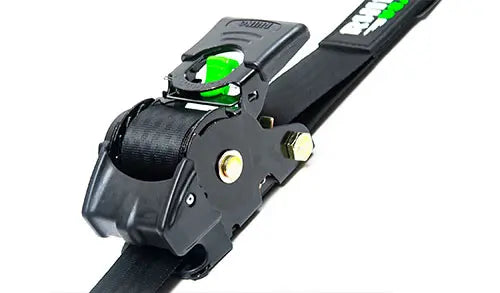
Use heavy-duty ratchet straps rated for 500+ lbs for a firm, adjustable, and non-slip hold.
Compress front suspension by about 50% to maintain tension over bumps.
Position straps at a 45-degree angle pulling forward and outward from the bike to the trailer's anchor points.
Retract kickstand during transport to avoid damage.
Use a wheel chock for added stability.
Tie off excess strap webbing to prevent loosening.
Check and tighten straps at regular intervals, especially after the first 10–20 miles and after hitting bumps or making sharp turns.
Numbered Steps for Tying Down a Motorcycle
Prepare your ratchet tie-down straps.
Load your motorcycle onto the trailer.
Place your motorcycle on its kickstand.
Prepare the soft loops for the triple trees.
Hook your ratchet straps to the soft loops.
Hook the other ends to your anchor points.
Ratchet your straps tightly to secure the bike.
What Equipment will you need?
First off, what do you need to secure your motorcycle? Make sure you understand the necessary steps and secure the right items. It’s a good first step to have a chat with other moto enthusiasts—some guys recommend reaching out to see what’s worked for them. This could be a good way to get some good advice and gain some insights. Talking to others, especially those who have experience, can save you from a lot of rookie mistakes and prevent a lot of grief for you and your prized motorcycle.

You will need:
Two or, ideally, four heavy-duty ratchet straps (rated for 500+ lbs)
Two or four soft loops
A wheel chock (optional, but highly recommended for added stability)
Anchor points on your trailer or vehicle
We recommend using some heavy duty ratchet straps as the best tie downs for trailers especially with motorcycles. By using these tie-down straps, the motorcycle will maintain the tension and strength needed to keep it suspended and completely secured. One of the other extra benefits is that these straps have soft loops. They can easily be attached to the hooks, making for a practical solution. This great feature will prevent your precious bike handlebars from being scratched or damaged by the metal components of the ratchet straps.
The heavy duty ratchet tie down set includes 4 - 1.6” x 8’ HD ratchet tie-downs and 4 - 1.7” x 17’ soft loops. It also comes with a heavy duty storage bag which makes it the ultimate ratchet tie down set for your motorcycle.
You can also opt to purchase a motorcycle wheel chock. This is great to have on hand, as it will help keep the bike stabilized, while you start to attach the straps.
Once you have gathered all the necessary equipment, it's time to prepare your motorcycle for transport.
Key Principles for Motorcycle Tie-Downs
Use a minimum of four tie-down points (two front, two rear) for maximum stability.
Attach front straps to the handlebars or lower triple clamp and rear straps to the rear frame, subframe, or rear swingarm.
Use heavy-duty ratchet straps rated for 500+ lbs.
Compress the front suspension by about 50%.
Position straps at a 45-degree angle.
Retract the kickstand during transport.
Use a wheel chock for added stability.
Tie off excess strap webbing.
Check and tighten straps at regular intervals.
Types of Straps: Pros and Cons
Type |
Pros |
Cons |
|---|---|---|
Ratchet |
High tension, non-slip, precise adjustment, very secure |
Can overtighten if not careful |
Cam Buckle |
Quick to use, less risk of overtightening |
Lower tension, may slip under load |
Soft Loops |
Protects delicate parts, easy to use with hooks/ratchets |
Not a standalone tie-down solution |
Preparing the Motorcycle
Before you even think about loading your motorcycle onto a trailer or truck, it’s important to get your bike ready for the trip. Start by checking the tire pressure, suspension, and brakes to make sure everything is in top shape—this helps prevent any surprises on the road. Next, secure any loose items like grips, mirrors, or accessories so they don’t get lost or damaged along the way. Using a wheel chock or similar device to stabilize the front wheel is a smart move, as it keeps the wheel from moving side to side and helps the bike stay upright while you’re fastening the straps. Taking these simple steps to stabilize and secure your motorcycle will make the whole process smoother and help protect your investment.

Preparing your Ratchet Tie-Down Straps
Before you even put the bike onto the trailer, you might want to prepare the straps. Connect them to the anchor points of your trailer and lay them stretched out to the middle. Performing this step after you load in your motorcycle can feel a little awkward. If you choose not to set up the straps in advance, you might risk increasing your chances of accidentally knocking over your motorcycle.
The easiest way to get the bike secured safely is to get a buddy to help you out. Working on your own can be dangerous, especially if you are not experienced. Get a second person to hold the bike steady, while you tie everything down. This will ensure that your motorcycle isn’t at risk of falling over while you try and secure it, so you won’t damage your bike or worse, hurt yourself and others.
You can still do this on your own, but you need to take extra care and be cautious! Make sure the straps are ready so you can tighten them securely once the bike is loaded.
With your straps ready, you can now safely load your motorcycle onto the trailer.
Loading your Motorcycle onto the Trailer
After the straps are prepared and ready for action, load your motorcycle and put the kickstand down.
Attaching the Front Straps
Get the front tied down and tightened. A slight compression of the front suspension helps stabilize the motorcycle during transport by creating a stiff, controlled response over bumps and rough roads. After the front has been finished, put the kickstand back up. This will allow you to make sure that the kickstand is adequately protected during transportation.
To securely fasten the straps to the bike, you need to attach the front straps to the lower triple trees. This is the part that connects the front forks together, linking them to the frame. When securing the front end, triangulate the straps at an angle and slightly compress the front suspension to prevent chatter and brake dive during transit. After you have done this, get the front wheel against the front panel.
Keep in mind that most experts would recommend you against tying the handlebars, as it can potentially damage the motorcycle. The lower triple trees are a much better option when you need to secure your bike safely.
Attaching the Rear Straps
If you are also going to tie down the back, attach the straps to the swing-arm or the frame. For additional stability, some methods involve attaching straps to the seat area or subframe. Be careful not to damage any of the sensitive parts, such as the brake lines. To further prevent movement, secure the rear wheel using a dedicated strap or system. Some tow companies will throw a towel over the seat before ratcheting a third strap for extra protection.
If you’re having trouble figuring out how the ratchet mechanism works, read this guide. When using ratchet straps, make sure to figure the total weight of your motorcycle to select straps with the appropriate load capacity. Always tighten the straps to ensure the bike is held firmly in place and does not shift during transport. Imagine the bike's setup, visualizing the straps and compression to achieve maximum stability. The goal is to keep the bike firmly in place throughout transport.
Safety Considerations
When it comes to transporting your motorcycle, safety should always come first. Using high-quality tie downs and ratchet straps is key to making sure your bike is held firmly in place, whether it’s in a trailer or the bed of a truck. Always choose strong tie down points, like the frame or front forks, to ensure a stable and secure hold. Make sure the straps are tight, but not so tight that they damage the suspension or frame. Consider the weight and size of your motorcycle when selecting your tie downs and equipment—heavier bikes may need extra support to stay stable. By focusing on proper safety practices and using the right gear, you can rest easy knowing your motorcycle is secure for the ride.
Confirm your Motorcycle is Properly Tied Down
Make sure you leave enough time to do a final check! If there are any weak spots or mistakes, you could end up inflicting serious damage to your bike, or worse. Check that the straps are evenly tensioned, so that the bike will remain secured for the entire trip. In addition to that, you should make sure that the ratchets are closed, and the ties are utterly secure. Double check that the kickstand is up, and any excess straps are safely tied up.
If you've gone through this final check, then you're ready to hit the road as safely as possible!
A few additional notes:
Common Mistakes to Avoid
Even experienced riders can make mistakes when tying down a motorcycle, but knowing what to watch out for can save you a lot of trouble. Common errors include:
Not using proper tie downs, which can cause the bike to shift or even fall during transport.
Forgetting to check the tension of your straps—if they loosen up, your motorcycle could become unstable.
Using the wrong type of straps or attaching them to the wrong points on the bike.
Failing to tie off excess strap webbing, which can flap and loosen the ratchet.
Not retracting the kickstand during transport, risking damage to the bike or trailer.
To avoid these issues, always double-check your setup, use the right straps for the job, and make sure everything is tight and secure before you hit the road.
Releasing Your Straps
You have successfully reached your destination, and it is time for you to unload your prized motorcycle. This can be a breeze when done right, however, some riders may find themselves scratching their heads when the ratchet straps just won't loosen.
This is why it is important to always have a second set of straps on you at all times. Especially when you are transporting your bike to a more secluded area, where quickly stopping into a store for straps, is not a viable option.
If you're having this issue, do not freak out! Yanking on the straps, and trying to tug as hard as you can should only be used as your last resort. Doing so can cause some very serious damage to your vehicle, trailer, or bike. We wrote a guide for the 3 most common reasons that your ratchet straps have jammed that you can read right here.
Secure Any Excess Strap
When you do not “tuck” your excess strap, the wind will pick it up during transport. Although it's rare, doing this can slowly loosen your ratchet strap. Preventing this is easy, just wrap your straps or find a way to tuck them nice and tight so they don't blow lose in the wind.
A Velcro strap is perfect for this, as you can just roll the excess strap and secure it with a strip of Velcro. It's a simple, yet commonly overlooked thing when using tie-down straps.
Taking Proper Care of Your Straps
We see so many straps left in the bed of trucks or on trailers, this is horrible for the material as direct sunlight over a long period of time can actually damage the strength of the straps. We highly recommend putting your straps away in a place you will remember, and out of the sun.
This goes for almost any strap material. Even worse if it rains and your straps become water damaged! You don't want that, be sure to put them in a spot for safekeeping, or use the heavy duty storage bag, which is included in the HD ratchet tie-down set!
Best Practices for Long-Distance Transportation
If you’re planning a long-distance move, it’s especially important to follow best practices for motorcycle transportation. Start by using high-quality tie downs and ratchet straps, and make sure they’re attached to the proper points on your bike.
Regular Strap Checks on the Road
Check the tension of your straps regularly during the trip, especially after hitting bumps or making sharp turns, and adjust as needed to keep everything secure. Using a trailer with a good suspension system can help stabilize your motorcycle and reduce the risk of damage over long distances. By sticking to these best practices, you’ll help ensure your bike stays safe and secure, no matter how far you’re traveling.
Troubleshooting Common Issues
Even with the best preparation, things can sometimes go wrong during motorcycle transportation. If you notice a loose strap or your bike starts to shift, don’t panic—just pull over safely and check your tie downs. Make sure all straps are secure and properly attached, and add extra tie downs if needed to stabilize the bike. If you’re having trouble getting the straps tight enough, try adjusting the angle or switching to a different tie down point. Always prioritize safety, and take the time to double-check your setup before getting back on the road. By staying alert and ready to troubleshoot, you can handle any issues that come up and make sure your motorcycle arrives safe and sound.
Featured Product: Rhino USA Motorcycle Ratchet Tie Down Straps
At Rhino USA, we also provide canvas drawstring bags with all of our straps to ensure the longevity of your tie-downs, this keeps them functioning like new, every time. We make the best tie downs for trailers and motorcycles, and all of our products are backed by a lifetime warranty!
We hope this article was helpful and informative, if you're having trouble tying down your bike be sure to give our experts at Rhino USA a call (800) 575-7310. We're more than happy to help!
Frequently Asked Questions
How many straps do you need to tie down a motorcycle?
For maximum security and peace of mind, it is recommended to use four ratchet straps to tie down a motorcycle. Placing two of them in the front and two in the back, creating an X pattern, is the ideal way to set up your motorcycle tie downs for the greatest strength and stability.
How much weight can a motorcycle tie down strap hold?
Rhino USA is one of the leaders in strap technology and offers one of the strongest break strength ratings available. Rhino USA's 1.6" x 15' ratchet tie down straps have a lab-tested break strength of 5,208lbs, more than enough to hold down any motorcycle or UTV.
- Choosing a selection results in a full page refresh.