

Why Every Fleet Needs a Customized Recovery Kit
Your fleet is the backbone of your business’s operations, ensuring that goods and services reach their destinations on time. Unexpected vehicle breakdowns can lead to dangerous situations and unplanned downtime, severely impacting productivity and safety. Having a customized recovery kit for each vehicle in your fleet is essential to quickly and safely address these emergencies.
Customized recovery kits are tailored to meet the specific needs of your fleet, taking into account the types of vehicles and the terrains they traverse. Instead of a one-size-fits-all solution, a customized kit includes tools and equipment that are most relevant to your operations. This proactive approach not only minimizes the risk of damage to your vehicles but also safeguards the environment by using appropriate recovery tools, like tree trunk protectors, that prevent harm to natural anchors.
Investing in these kits demonstrates a commitment to safety, efficiency, and sustainability. It ensures that your team is prepared for any situation, reducing downtime and enhancing the reliability of your fleet. It is important to have the right equipment in your fleet recovery kit, as it plays a vital role in ensuring safe and effective vehicle recovery, especially in challenging conditions. Fleet recovery kits also allow drivers to perform quick roadside fixes, minimizing downtime and protecting delivery schedules. By equipping your vehicles with the right recovery tools, you are taking a crucial step in maintaining uninterrupted operations and achieving long-term success.
The High Cost of Downtime
A single vehicle breakdown can wreak havoc on your fleet’s operations. When even one truck is out of commission, it disrupts schedules and leads to late deliveries. This not only impacts productivity but also strains your relationships with customers.
Financial losses due to downtime can be significant. Industry estimates suggest that downtime may cost between $448 to $760 per day per vehicle. This includes repair costs and the lost revenue from missed opportunities during the downtime.
In addition to direct financial costs, downtime can degrade employee morale. Drivers become frustrated with unreliable equipment, leading to job dissatisfaction and potential turnover. High turnover can further increase costs for hiring and training new staff.
Customer satisfaction also takes a hit. Delayed deliveries can erode trust and damage your reputation. Negative experiences may lead customers to seek more reliable providers, affecting long-term profit and growth.
Investing in a customized recovery kit can mitigate these risks. Kits that include essential tools and parts enable quick fixes, bringing vehicles back to service faster. By reducing the duration of downtimes, you can maintain smoother operations and deliver consistent service to your customers.
Buying a complete fleet recovery kit is not only convenient but can also save you money compared to buying all the components individually.
Taking a proactive stance on vehicle maintenance can make a significant difference. Implementing predictive maintenance strategies reduces unexpected breakdowns, helping you keep your fleet running efficiently.
Monitoring key performance indicators (KPIs) related to downtime can help you identify patterns and implement measures to minimize disruptions.
Limitations of Universal Recovery Kits
Universal recovery kits often fall short for diverse fleets. These “one-size-fits-all” solutions may not meet the specific needs of various vehicles, leading to inefficiency and potential delays during recovery operations.
For example, a kit designed for small SUVs might lack the heavy-duty equipment necessary for larger trucks or specialized fleet vehicles. This can result in inadequate support during emergencies. Universal kits may also miss key necessities, leaving out essential items required for effective recovery.
Such kits often omit critical tools required for unique vehicle configurations or specific recovery scenarios. A recovery strap suitable for a lighter vehicle may not perform well with a heavier one, posing a significant issue.
Safety hazards are a major concern with inadequate recovery kits. Universal kits often lack the advanced features found in customized kits, such as enhanced durability and safety elements. Using tools that aren’t rated for your vehicle’s weight or recovery demands can lead to equipment failure, putting personnel at risk.
Key Limitations of Universal Kits
-
Inadequate Equipment: Lacks tools for specific vehicle types.
-
Safety Risks: Incorrect equipment can fail, causing accidents.
-
Inefficiency: Not tailored for unique recovery situations, leading to delays.
Customized recovery kits are essential for ensuring every vehicle in your fleet has the appropriate tools, enhancing safety and efficiency. Using well-matched gear mitigates risks and ensures smoother recovery operations across all vehicle types within your fleet.
Key Components of a Recovery Kit
What Is a Recovery Kit?
A fleet recovery kit is a specialized emergency package containing tools and equipment designed to help fleet drivers manage, repair, or extract vehicles in case of a roadside breakdown, accident, or getting stuck in challenging conditions.
A vehicle recovery kit is an essential investment for anyone who wants to be prepared for unexpected situations on the road or off the beaten path. Designed with off-road enthusiasts and fleet operators in mind, recovery kits are engineered to help safely recover vehicles from tough terrain—whether it’s mud, sand, snow, or rocky trails.
Essential Tools Included
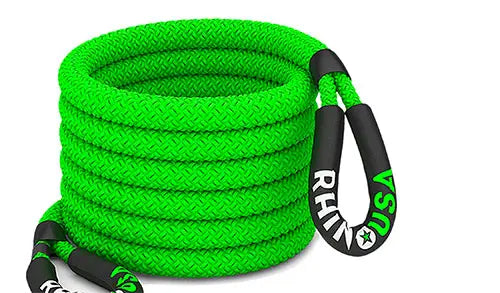
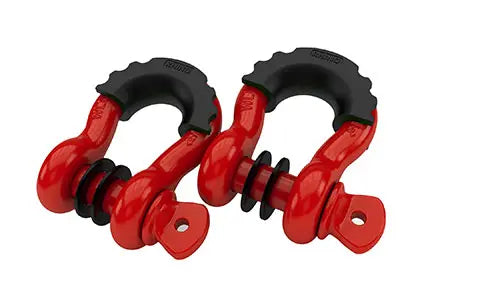
At the heart of every recovery gear kit is the recovery strap, often called a snatch strap. This heavy-duty, elastic strap is specifically engineered to stretch under load, storing kinetic energy that helps safely “snatch” a stuck vehicle free with a controlled jolt. Alongside the recovery strap, the kit includes essential items such as anchor shackles, which provide secure connection points between vehicles and recovery equipment, ensuring a safe and reliable recovery process.
Recovery kits typically include a range of essential tools and components designed for durability and safety. Heavy-duty gloves are a must, offering protection and a comfortable grip when handling recovery gear. Shackles—both soft and metal—are included to assist in connecting straps, winches, or chains to anchor points. Many kits also feature a winch, chains, and sturdy bags to keep all equipment organized and ready for use.
Common components found in a fleet recovery kit include:
-
Recovery straps (snatch straps)
-
Anchor shackles (soft and metal)
-
Heavy-duty gloves
-
Winch
-
Chains
-
Sturdy storage bags
-
Shovels
-
Recovery boards
-
Off-road jacks
-
Tow straps
-
Jumper cables or portable lithium-ion jump starter
-
Portable air compressor
-
Tire repair kits
-
Reflective triangles
-
LED road flares
-
High-visibility safety vests
-
Multi-tools
-
First-aid kit
The kit includes essential items that allow you to safely recover your vehicle in unexpected situations, providing peace of mind whether you’re navigating remote trails or managing a busy fleet. Each component is selected for its ability to withstand the rigors of tough terrain, ensuring that your recovery gear is ready when you need it most. With a comprehensive recovery kit, you can confidently tackle mud, sand, or snow, knowing you have the right tools to get back on the road safely.
Why Quality Matters
Investing in a quality recovery gear kit not only saves money by reducing the need for external recovery services but also ensures you’re prepared for any challenge. Whether you’re an experienced off-road enthusiast or just starting out, having a vehicle recovery kit on hand is essential for safety, reliability, and peace of mind. With the right equipment, you can handle unexpected situations efficiently and keep your journey moving forward.
Benefits of Customized Recovery Kits
A customized recovery kit tailored to your fleet’s specific needs offers distinct advantages. With a personalized approach, you ensure the availability of the right tools and equipment for various types of breakdowns.
Efficiency in Repairs: When your fleet vehicles break down, having the proper tools on hand leads to quicker roadside repairs. Faster repairs mean reduced downtime and increased productivity.
Reduced Costs: By equipping your fleet with the necessary tools, you minimize the need for external towing and repair services. This can lead to significant cost savings over time.
Regulatory Compliance: Many jurisdictions mandate that commercial fleets carry emergency equipment to meet DOT and OSHA standards. Kits should meet DOT or OSHA regulations for commercial vehicles, which mandate equipment like fire extinguishers and spare fuses. Key items for visibility and safety in recovery kits include reflective triangles, LED road flares, and fire extinguishers rated 5BC or higher.
|
Standard Recovery Kit |
Customized Recovery Kit |
|---|---|
|
Basic tools |
Tailored tools and parts |
|
General application |
Specific to fleet needs |
Enhanced Safety: Customized kits can include safety equipment specific to the types of vehicles in your fleet. This not only keeps your drivers safe but also ensures compliance with safety regulations.
Flexibility and Adaptability: Different fleets have different requirements. Customized kits provide the flexibility to adapt to various scenarios, from heavy-duty towing needs to minor roadside repairs. With added versatility and comprehensive features, these kits go beyond basic options to address a wider range of recovery situations. Many recovery gear kits are designed as comprehensive, purpose-built packages, ensuring your fleet is equipped for any off-road or on-road recovery challenge.
Optimized Inventory: By focusing on specific needs, you avoid carrying unnecessary items. This streamlined approach makes it easier to manage and restock your kits efficiently.
Professional-grade recovery kits include high-strength hardware for winching and towing, unlike standard emergency kits. Kits designed for commercial or off-road demands focus on high-strength hardware to ensure durability and reliability in demanding recovery scenarios.
Investing in customized recovery kits ultimately supports the smooth operation of your fleet, making sure you’re always prepared for unexpected situations.
Customizing Your Recovery Kit
Assessing Fleet Needs
When customizing your recovery kit, start by assessing your fleet’s specific needs. This begins with understanding the types of vehicles in your fleet and the typical terrains they encounter.
Step-by-Step Customization Guide
-
Assess Vehicle Types:
-
Light-duty vs. Heavy-duty
-
Off-road capabilities
-
Engine types (diesel, petrol, etc.)
-
-
Identify Common Breakdowns:
-
Engine failures
-
Tire punctures
-
Electrical issues
-
-
Evaluate Terrain:
-
Off-road vs. Urban environments
-
Rocky terrains
-
Muddy or sandy areas
-
After following these steps, you can easily order a complete fleet recovery kit in just a few clicks, with straightforward options designed for off-road enthusiasts and expeditions.
Considering these factors ensures that your customized kit has the appropriate tools and equipment.
Common Recovery Gear
Common recovery gear includes:
-
Shovels: Handy for digging out vehicles stuck in sand or snow.
-
Recovery Boards: Useful for gaining traction in muddy or sandy conditions.
-
Off-road Jacks: Essential for lifting vehicles to change tires in uneven terrains.
-
Winches: Necessary for pulling vehicles out of difficult spots.
-
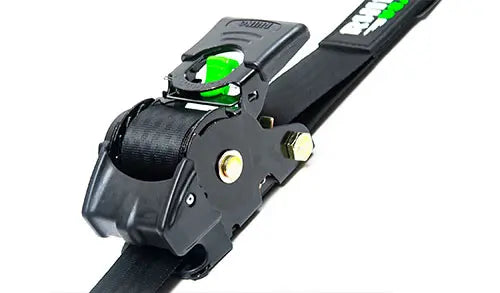
Tow Straps: Heavy-duty, elastic straps used to recover vehicles that are stuck, particularly in off-road situations. For towing or pulling vehicles. Tow straps should be secured to purpose-built recovery points to prevent damage or injury.
-
Trauma Kits: Equip your fleet with basic first aid and trauma care.
-
D-ring Shackles: For secure attachment points.
-
Tree Saver Straps: To protect trees during winching.
-
Jumper Cables or Portable Jump Starter: For battery issues.
-
Portable Air Compressor: For tire inflation.
-
Tire Repair Kits: For quick tire fixes.
-
Reflective Triangles and LED Road Flares: For visibility and safety.
-
High-Visibility Safety Vests: For roadside safety.
-
Multi-tools: For various minor repairs.
-
First-Aid Kit: For emergency medical needs.
These working tools are essential for performing vehicle recovery tasks, especially in challenging terrains or emergency situations.
Recovery gear typically includes items like tow straps, shackles, recovery boards, winches, and snatch blocks.
A fleet recovery kit includes heavy-duty tow straps, kinetic ropes, D-ring shackles, a tree saver strap, jumper cables or a portable lithium-ion jump starter, a portable air compressor, tire repair kits, reflective triangles, LED road flares, high-visibility safety vests, multi-tools, a shovel, and a first-aid kit.
Customize your kit by picking the gear most relevant to your fleet’s typical operations. For instance, if your fleet mainly operates in desert terrains, prioritize shovels and recovery boards.
Beyond the Basics: Advanced Recovery Kits
Advanced recovery kits cater to specialized needs that go beyond standard requirements. These kits are essential for operations like off-road expeditions and extreme weather conditions, providing durable tools and equipment designed to handle more challenging recovery situations.
For off-road operations, an advanced recovery kit might include:
-
High-capacity winch
-
Heavy-duty snatch straps
-
Kinetic recovery ropes
-
Off-road Jacks: Recovery jacks are built to handle extreme loads and are often taller and more robust than standard jacks. A trail jack is a specialized lifting device designed to raise heavy trucks or off-road vehicles that have become stuck or immobilized.
These items provide the strength and flexibility needed to free vehicles from tricky spots quickly and safely.
Extreme weather conditions demand robust tools to ensure safety and efficiency. For example, a winter-specific recovery kit may feature:
-
Snow chains
-
Shovel
-
Traction boards
These tools help navigate and recover in snowy or icy environments effectively.
Other specialized items you might find in advanced recovery kits include:
-
Air compressors: For adjusting tire pressure.
-
Tree saver straps: To protect trees during winching.
-
Fire starters: For emergency situations.
Such items are tailored to meet the demands of specific recovery scenarios, offering a level of preparedness that basic kits cannot match.
AEV Full-Size Recovery Gear Kits are designed specifically for off-road enthusiasts who drive heavier, full-size trucks and SUVs. These kits utilize materials and safety features required in commercial rigging industries, ensuring durability and reliability in demanding conditions. The AEV Full-Size Trail Recovery Kit is a cost-effective solution for smaller recovery needs, while the AEV Full-Size Expedition Recovery Kit includes a wide range of gear for advanced recovery techniques.
Investing in an advanced recovery kit allows you to handle a broader range of recovery situations confidently. Whether you’re tackling rough terrains or braving harsh weather, having the right tools at hand can make all the difference.
Training and Maintenance
Driver Training
Training fleet drivers on the proper use of recovery kits is crucial to ensuring safety and efficiency during vehicle recovery operations. Hands-on training sessions can help drivers become familiar with each piece of equipment, such as tree trunk protector straps and screw pin shackles.
Using a well-defined training program ensures that all drivers have the knowledge needed to execute recoveries correctly. It also reduces the risk of incorrect usage that can lead to injuries or equipment damage.
Routine Maintenance and Inspection
Regular maintenance and inspection of recovery equipment are essential to keep the tools in optimal condition. Routine checks should include inspecting straps for wear and tear, ensuring that shackles are free from rust, and verifying that all components are functional.
Checklists can streamline maintenance tasks and ensure that no item is overlooked. Using fleet maintenance software that incorporates alerts for inspection schedules can enhance consistency and reliability.
Record Keeping and Software Tools
Maintaining detailed logs of all inspections and repairs can help track the condition of recovery kits over time. This proactive approach allows you to identify and replace any damaged or outdated equipment before it causes problems in the field.
By prioritizing training and maintenance, you create a safer and more effective fleet operation, ensuring that your recovery kits are always ready for use when needed.
Conclusion
Customized recovery kits are crucial in ensuring your fleet's preparedness. By addressing specific needs, these kits minimize vehicle downtime. This level of readiness allows your operations to run smoothly.
Investing in a customized recovery kit tailored for your fleet's requirements shows a commitment to efficiency. It equips your team to handle various recovery scenarios effectively.
Specialized tools and equipment in these kits offer practicality and safety. Each item serves a distinct purpose, making the recovery process simpler and more reliable.
Encourage your team to evaluate the unique challenges they might face and create a recovery kit that meets those needs. This strategic approach supports sustainable fleet operations.
Preparedness with the right tools reflects proactive management. Customized recovery kits contribute significantly to the resilience and productivity of your fleet.
- Choosing a selection results in a full page refresh.