




5 Ways to Shower When Camping Outdoors
Camping is a great way to connect with nature and enjoy some time away from the hustle and bustle of everyday life. However, knowing how to bathe while camping is essential for maintaining hygiene, comfort, and environmental protection. This guide is for campers of all experience levels looking for practical ways to stay clean outdoors. Maintaining hygiene while camping is important for health, comfort, and environmental protection, ensuring you can fully enjoy your outdoor adventure without worry.
While full showers may be unavailable while camping, there are multiple ways to freshen up and keep yourself feeling refreshed. From bathing in natural water sources to using portable camp showers, there are various methods that campers can utilize to maintain personal hygiene. When water is limited, there are only a few options for staying clean, such as using camping showers, baby wipes, or swimming. It is crucial to find a solution that works for you and your camping situation, ensuring you stay clean and comfortable during your trip. In this article, we will introduce five different ways to shower when camping outdoors, providing practical tips that you can apply during your next adventure.
So, join us as we explore a few ways to keep clean and refreshed in the great outdoors. You’ll discover effective methods that cater to different preferences, environments, and camping styles. Stay tuned as we take a closer look at these practical and effective showering solutions for your outdoor experiences.
Most Effective and Environmentally Responsible Ways to Bathe While Camping
To help you stay clean and protect the environment, here are the most effective and eco-friendly methods for bathing while camping:
-
Use biodegradable soap for all washing and bathing to minimize environmental impact.
-
Bathe at least 200 feet from water sources and campsites to prevent contamination of lakes, rivers, and streams.
-
Use wet wipes or camp wipes when water is scarce; these are pre-moistened disposable cloths designed for cleaning the body when water is limited.
-
Focus on cleaning key areas such as the face, groin, and underarms to feel refreshed without using much water.
-
Use quick-dry towels for convenience and to reduce the risk of mildew or odor in your gear.
-
Dispose of gray water properly by scattering it over a wide area on dirt, at least 200 feet from any water source.
-
Consider sponge baths, body wipes, natural water dips (without soap), or portable camp showers as effective wilderness bathing methods.
1. Showering with an Outdoor Pop-Up Privacy Tent and Portable Shower
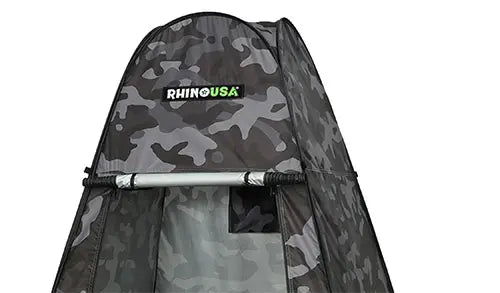
Pop-up privacy tents offer a convenient and private solution for showering when camping outdoors. Paired with a portable shower, you’ll have a comfortable and efficient way to maintain cleanliness during your camping trip. This setup is similar to having a private shower room at a campground, offering privacy and amenities like a dedicated space for washing, much like the private shower rooms found at travel centers and campgrounds.
How to Set Up a Pop-Up Privacy Tent
-
Choose a level, well-draining area near your campsite.
-
Unfold the tent. Most pop-up tents spring into shape automatically once removed from their carrying case.
-
Secure the tent with stakes and guylines, if necessary.
Choosing a Portable Shower
Portable showers come in various styles such as gravity-fed, pressurized, and battery-powered. When choosing a portable shower, consider factors like:
-
Water pressure: Gravity-fed options rely on the weight of water for pressure, while pressurized showers use a pump system. Battery-powered options usually provide the highest pressure.
-
Heating method: Solar-powered and manually heated options are available, depending on your preference and access to sunlight.
-
Ease of use: Look for a shower that’s simple to fill, operate, and clean.
How to Use a Portable Shower
-
Fill your portable shower with water. Most portable showers have a capacity of 3 to 5 gallons, sufficient for a quick shower.
-
If using a solar-heated option, place it in a sunny spot for several hours for optimal heating.
-
Hang the shower inside the pop-up tent using the provided hanging mechanism or hooks.
-
Turn on the shower nozzle and enjoy a refreshing cleanup.
-
Lather up with biodegradable soap to minimize environmental impact.
Environmental Considerations
-
Always dispose of your shower water according to campsite guidelines.
-
Use only biodegradable soap and avoid contaminating natural water sources.
-
Pack away your pop-up tent and portable shower for future use.
If a portable shower isn't available, a sponge bath is another effective way to stay clean while camping.
2. The Sponge Bath: A Simple and Water-Saving Technique
A sponge bath is a method of cleaning the body using a sponge or washcloth with a small amount of water and soap, typically away from water sources. It is an efficient and water-saving method to stay clean while camping outdoors. It requires a minimal amount of water and some basic supplies like a washbasin, camp soap, sponge or wash cloth, and a towel. This method is particularly useful when access to water is limited or when you’re trying to conserve water during your camping trip.
How to Prepare a Sponge Bath
-
Safely heat water in a camp kettle or other appropriate container. Be cautious when handling hot water; gently submerge your finger or use another method to check the water temperature before you start.
-
Pour the warm water into your washbasin. A balanced water temperature should be 115°F (46°C) or less.
-
Separate the water into two basins or containers, one for washing and the other for rinsing.
Steps for a Successful Sponge Bath
-
Choose a suitable camp soap: Select a soap that is easy to rinse away, preferably one that is eco-friendly and biodegradable, to minimize the impact on the environment.
-
Lather the soap: Dip your sponge into the washing water and add soap. Lather the soap and wipe your body down using the sponge. Work on one area of your body at a time, starting from your face and working your way down to your feet.
-
Rinse the soap: After washing each area, rinse the sponge in the rinsing water and gently remove the soap from your body with the damp sponge. Be sure to rinse the sponge thoroughly between uses to avoid spreading soap residue.
-
Dry off: Use a clean, dry towel to pat yourself dry after rinsing each body part. Avoid rubbing the skin, as this can cause irritation, especially after a long day of outdoor activities.
-
Dispose of the used water: Once you have completed your sponge bath, dispose of the used water in a responsible manner, away from any water sources, plants, or animal habitats.
Environmental Considerations
-
Always use biodegradable soap.
-
Bathe at least 200 feet from water sources and campsites.
-
Dispose of gray water by scattering it over a wide area on dirt, at least 200 feet from any water source.
If you prefer a more natural approach, bathing in lakes, rivers, or streams is another option.
3. Embrace Natural Bathing: Using Lakes, Rivers, or Streams (Leave No Trace Principles)
Natural bodies of water, such as lakes, rivers, and streams, offer an opportunity for campers to clean themselves without the need for modern showers. Apart from reducing the need for water-heavy equipment, embracing natural bathing is an eco-friendly choice that allows you to connect with nature. To minimize your impact, remember to follow Leave No Trace principles.
Leave No Trace principles are a set of guidelines designed to minimize human impact on the environment while enjoying the outdoors.
How to Bathe Responsibly in Natural Water
-
If necessary, only opt for biodegradable soap. Regular soaps contain chemicals that can harm aquatic life and disrupt the ecosystem.
-
Never use soap directly in the water source. Instead, fill a container with water, take it at least 200 feet away from the water source, and use it to lather up before rinsing off with clean water.
-
Always use only fresh water for rinsing and personal hygiene to maintain cleanliness and avoid introducing contaminants.
Environmental Considerations
-
Minimize disturbance to wildlife by choosing a spot away from popular fishing or swimming areas, as well as nesting or breeding sites.
-
Avoid taking a dip in shallow and slow-moving water, as it is more prone to contamination. Fast-flowing water can help disperse any possible contaminants, reducing the risk of polluting the area.
-
Avoid trampling on vegetation, and choose an established path to access the water.
-
Use a quick-drying towel or rinse off with water from your container.
-
Dispose of your used water in already disturbed areas away from the water source.
By following these Leave No Trace principles during your natural bathing experience, you can ensure that your presence has minimal ecological impact. Embracing natural bathing not only enables you to feel refreshed but also allows you to actively contribute to the preservation of the environment for future generations to enjoy.
If you want a warm and convenient shower, a solar shower is a great next option.
4. The Solar Shower: Eco-Friendly and Convenient
A solar shower is a great solution for staying clean while camping outdoors. Not only are solar shower bags environmentally friendly, but they also provide a convenient way to enjoy a warm shower at your campsite. Keep in mind that solar showers may involve an extra cost compared to more basic methods.
How Solar Showers Work
Solar shower bags work by using the sun’s energy to heat the water stored in the bag. Made from durable materials, these bags typically have a dark surface to efficiently absorb sunlight and convert it into heat. The heated water can then be used for a comfortable shower in the great outdoors.
How to Use a Solar Shower
-
Find a suitable location: Choose an area that offers privacy and has a level surface for hanging the bag.
-
Hang the solar shower bag: Use a sturdy branch, pole, or another hanging mechanism to suspend the bag above the ground. Make sure it hangs high enough to allow the water to flow freely from the hose.
-
Tip: Wear flip flops while showering to keep your feet clean and avoid direct contact with the ground.
-
-
Adjust the water flow: Before starting your shower, check the water’s temperature by releasing a small amount of water from the hose. Many solar shower bags come with an adjustable nozzle, allowing you to control the flow.
-
Enjoy your warm shower: Stand under the hose and let the sun-heated water refresh and rejuvenate you.
Environmental Considerations
-
Use biodegradable soap.
-
Bathe at least 200 feet from water sources.
-
Dispose of gray water responsibly.
If you’re looking for a quick and waterless solution, camp wipes are a practical alternative.
5. The No-Rinse Camp Wipes Solution
Camp wipes are pre-moistened disposable cloths designed for cleaning the body when water is scarce. Camp wipes are a convenient and effective solution for staying clean while camping, especially during short trips. Body wipes and face wipes are particularly convenient options for targeted cleaning, allowing you to freshen up specific areas without a full shower. These wipes allow you to maintain personal hygiene without needing access to shower facilities. To use camp wipes properly and minimize their environmental impact, it’s essential to choose biodegradable options and use them responsibly.
How to Use Camp Wipes
-
Choose the right camp wipes: Opt for biodegradable, fragrance-free, and alcohol-free wipes to reduce irritation and ensure they break down naturally when disposed of properly.
-
Pack a sufficient amount: Bring enough wipes for your trip, considering the duration and your personal hygiene needs.
-
Store them properly: Keep your camp wipes in a resealable bag or container to prevent them from drying out or getting contaminated.
-
Clean targeted areas: Use a separate wipe for each area of your body, like one for your face, another for your underarms, and so on. Consider using multiple wipes to ensure thorough cleaning and to prevent cross-contamination, especially after bathroom use in the wilderness.
-
Dispose of responsibly: After using your camp wipes, pack them in a sealed trash bag and carry them back home to throw away. Do not leave them in nature, even if they are biodegradable.
Environmental Considerations
-
Always pack out used wipes.
-
Focus on cleaning key areas (face, groin, underarms) to conserve wipes and reduce waste.
By choosing biodegradable wipes and using them responsibly, you can enjoy the benefits of staying fresh while minimizing your impact on the environment.
If you want to maximize your comfort and cleanliness, check out these additional tips for feeling clean and refreshed while camping.
Tips for Feeling Clean and Refreshed While Camping
Staying clean while camping can feel like a challenge, but with a few smart strategies and the right gear, you can maintain great camping hygiene and feel refreshed throughout your camping trip—even on longer trips.
Essential Hygiene Items
-
Baby wipes or camp wipes
-
Biodegradable soap
-
Hand sanitizer
-
Portable camp shower
-
Quick-dry towels
Showering at Campgrounds
-
If you’re car camping or staying at a developed campsite, check if there are shower facilities on-site.
-
Some campgrounds offer private shower rooms or shared spaces with multiple stalls, making it easy to take a hot shower and rinse off excess dirt.
-
If you’re camping in a more remote area, consider bringing a portable shower or visiting nearby recreation centers that offer public showers for a small fee.
Water Conservation Tips
-
Use a portable shower with a low-flow nozzle or take a “Navy shower”—turn the water off while soaping up, then quickly rinse.
-
When water is scarce, wet wipes or baby wipes are a great idea for cleaning your entire body.
-
Focus on areas that tend to get the dirtiest, like your face, underarms, and feet.
-
Always choose biodegradable wipes and pack them out in a trash bag to minimize your impact on the environment.
Managing Body Odor
-
Hand sanitizer is another camping essential, especially for cleaning your hands after using the bathroom or before meals.
-
For washing up at a nearby lake or river, use only biodegradable soap and follow Leave No Trace principles—never use soap or shampoo directly in natural water sources.
-
Use baby powder or antiperspirant to keep your skin dry and odor-free.
-
Wear hiking shirts or merino baselayers that resist moisture and odor.
Laundry and Clothing Tips
-
Pack extra clothes and socks so you can change into something clean after bathing.
-
Store dirty clothes in a separate trash bag to keep them away from your clean gear.
-
If you need to wash your hair but don’t have access to a shower, use a small amount of water and biodegradable shampoo, or freshen up with baby wipes or wet wipes. Remember to use only a tiny bit of water and avoid wasting it.
By following these tips, you can stay clean and comfortable on your camping adventure, whether you’re enjoying a quick weekend getaway or a long camping trip. Prioritize hygiene, conserve water, and respect the environment, and you’ll be able to focus on the fun of camping—feeling fresh, making memories, and maybe even making a few new friends along the way.
Conclusion
In this article, we’ve discussed five methods for showering while camping outdoors: 1) using a solar shower bag, 2) taking advantage of natural water sources like waterfalls and lakes, 3) utilizing RV showers, 4) installing a portable camp shower, and 5) staying fresh with wet wipes. These diverse options cater to various camping styles and conditions.
When preparing for your trip, purchasing items such as portable showers, biodegradable wipes, and eco-friendly products can make it much easier to shower while camping and maintain good hygiene. These products are designed for convenience and help you stay clean even when traditional facilities aren’t available.
To maintain cleanliness and comfort during your camping trip, consider packing essential items like towels, biodegradable soap, and a washcloth or sponge. Be mindful of the environment by using eco-friendly products and disposing of waste responsibly. Don’t forget to dry off thoroughly to stay warm and avoid catching a cold. Depending on your needs and the length of your trip, you may not need to shower daily, but taking a shower regularly helps remove dirt and bacteria. Remember to maintain oral hygiene by brushing your teeth frequently, and always wash your hands with biodegradable soap or hand sanitizer. For waste management, consider alternatives to disposable toilet paper, such as reusable cloths or natural materials.
Ultimately, the best camping shower method depends on your individual needs and preferences. Consider factors such as location, available resources, privacy, and convenience. If your trip lasts multiple days, plan ahead to maintain hygiene and keep clothing fresh with practical routines. Evaluate these aspects to determine which option best suits your camping style. With the right shower solution in place, you’ll be able to focus on enjoying the beauty of nature and cherish your outdoor experience.
- Choosing a selection results in a full page refresh.