



8 Best Fire Extinguishers for Off-Road
Summary Box:
Best Overall Recommendation:
For most cars, a compact, UL-rated 2.5 lb ABC dry chemical extinguisher is the best choice due to its versatility and easy handling.
8 Best Fire Extinguisher for Car and Off-Road
Having the best fire extinguisher for car or off-roading vehicle is debatably one of the most important items in your emergency kit. Although fires are hopefully not something you commonly experience, it is always best to be prepared for the worst because you never know when a vehicle fire could happen. The last thing you want is to be stuck in a vehicle fire that could not only harm your car, but could also harm your passengers, or even lead to a larger fire if you are stuck in the great outdoors.
This guide is for car owners and off-road enthusiasts looking to choose the best fire extinguisher for their vehicle. We cover the top fire extinguisher options, what to look for, and essential safety tips for vehicle use.
Most vehicle fires start small, so carrying a fire extinguisher increases the chance of dealing with it effectively.
A larger fire extinguisher is generally more effective than a smaller one, as it provides more extinguishing agent.
Selecting the right fire extinguisher for off-road adventures is a critical safety decision. When you’re out in the wilderness, far from immediate help, having the right fire extinguisher to carry can make all the difference in preventing a small mishap from turning into a catastrophe. It’s also important to have a fire safety plan for your vehicle, including choosing the right extinguisher to carry and planning its placement for quick access and regular maintenance. In this section, we’ll delve into the methodology behind our selection of the eight best fire extinguishers for off-road enthusiasts.
Our Methodology:
We chose this list of best fire extinguishers for off-road based on the following criteria:
-
Fire Classifications: The first step in choosing the best fire extinguishers for off-road adventures was to consider the types of fires they can effectively combat. We looked for extinguishers that could handle a range of fire classes, including Class A (wood, paper, cloth), Class B (flammable liquids), and Class C (electrical fires). Off-road environments can expose you to a variety of fire hazards, so versatility in fire class coverage was paramount.
-
Size and Portability: Off-road vehicles often have limited storage space, so we paid close attention to the size and portability of the fire extinguishers. Compact, lightweight options that could be easily stowed in a vehicle were given preference. Larger extinguishers provide more extinguishing agent to fill the need for longer discharge time, which can be crucial in emergencies.
-
Durability: Off-road adventures can be rugged, and your equipment needs to withstand harsh conditions. We considered the build quality and durability of each fire extinguisher, looking for those designed to resist corrosion and damage from vibrations and shocks. Rechargeability and aluminum body construction enhance the durability and long-term sustainability of fire extinguishers for vehicles.
-
Mounting Options: Many off-road enthusiasts prefer to mount their fire extinguishers for easy access. We evaluated extinguishers that came with mounting brackets or had compatible options available.
-
Discharge Mechanism: The ease and effectiveness of the discharge mechanism were important factors. We favored extinguishers with user-friendly controls that could quickly and effectively suppress fires.
-
Pressure Gauge: Fire extinguishers should have a visible pressure gauge to verify functionality during monthly checks, ensuring readiness in case of emergency.
-
Discharge Time and Range: Off-road fires can spread rapidly, so we considered the discharge time and range of each extinguisher. Longer discharge times and greater ranges were seen as advantages, giving users more time to react and suppress a fire from a safe distance.
-
Agent Type: Different fire extinguishing agents have varying properties and applications. We researched the pros and cons of dry chemical, foam, and other agents to ensure they were suitable for off-road use. The chemicals used—such as ABC dry chemical, Purple K, Cold Fire, halon, and AFFF foam—impact effectiveness against different types of vehicle fires, cleanup requirements, and environmental considerations.
If a fire starts in a vehicle, it is crucial to exit the vehicle before attempting to use a fire extinguisher.
Now that we've covered our selection criteria, let's look at the different types of fires and extinguishers relevant to vehicles.
Types of Fires and Extinguishers
When it comes to protecting your vehicle from fire, knowing the different types of fires and which extinguisher to use can make all the difference. Vehicle fires can start from a variety of sources, so it’s important to understand what you’re up against.
Class A, B, and C Fires
-
Class A fires involve everyday combustibles like wood, paper, or cloth—think of things like seat cushions or interior trim catching fire.
-
Class B fires are more common in vehicles and involve flammable liquids such as gasoline, oil, or other fuels. These fires can spread rapidly and are especially dangerous if not tackled quickly.
-
Class C fires are electrical fires, which can start from wiring, batteries, or other electrical equipment in your car or truck.
Dry Chemical vs. Clean Agent Extinguishers
-
ABC dry powder is effective against Class A (upholstery, paper), Class B (petrol, oil), and Class C (electrical) fires, covering most vehicle fire risks.
-
BC powder is specifically for flammable liquids and electrical fires.
-
Dry chemical extinguishers are a popular choice because they’re effective against both Class B (flammable liquids) and Class C (electrical equipment) fires. Products like Purple K are designed to knock down flames fast, but keep in mind that dry chemical agents can create a big mess and may be highly corrosive to electronics and paint if not cleaned up promptly.
-
Foam extinguishers (like AFFF) are another solid option, especially for Class B fires involving fuel or oil. Foam helps smother the fire and prevent re-ignition, making it a good choice for engine or fuel fires. However, foam can be less effective on electrical fires and may not be suitable for all vehicle fire scenarios.
-
Clean agent extinguishers (such as HalGuard) use Halotron I, a liquified gas that evaporates upon discharge, leaving zero residue and causing no damage to engine components.
Note: For electric vehicles, prioritize specialized clean agents as ABC powder can corrode EV battery components.
When choosing a fire extinguisher for your car, always take into account the types of materials and hazards present. The right extinguisher can help you stop a small fire before it spreads, protecting your vehicle, your passengers, and your investment from total loss.
8 Best Fire Extinguishers for Off-Road
1. Best Overall Fire Extinguisher - Amerex Dry Chemical Fire Extinguisher
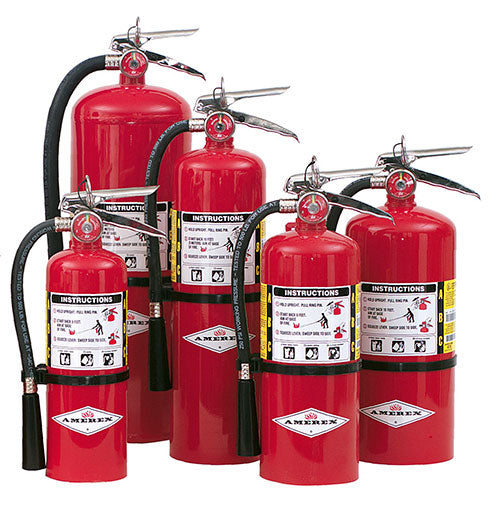
Amerex is a well-known fire extinguisher brand and a fan favorite of many. The Amerex B417T is a 2.5 lb ABC dry chemical extinguisher, effective against ordinary combustibles, flammable liquids, and electrical fires. This extinguisher is a great price at under $45 and does also work with vehicle mounts. This is a well made and heavy duty metal extinguisher that uses a dry chemical as the extinguishing agent. When discharged, it does a great job of quickly suppressing vehicle fires. This extinguisher is also fairly light, at only 2.5 lbs.
Pros:
-
ABC rated
-
Affordable
-
Heavy duty
-
Lightweight
-
Mountable
Cons:
-
Not sleek design (if we’re being picky)
2. Best Quality Fire Extinguisher - H3R Performance MX100C Fire Extinguisher

The H3R Performance MX100C is another great choice for a fire extinguisher. Although it is a little pricey, you definitely do not have to be worried about not getting a quality product. This is also a dry powder extinguisher, similar to the Amerex we mentioned previously, and it weighs only 2.8 lbs. The ABC dry powder chemicals used in this extinguisher are effective against Class A (upholstery, paper), Class B (petrol, oil), and Class C (electrical) fires, covering most vehicle fire risks. This extinguisher is safe for electronics, and the included bracket allows for secure mounting in your vehicle for quick access. The residue will be easy to clean up. All around, this extinguisher does a reliable job in a variety of vehicle fire scenarios and is one of the best options for an automotive fire extinguisher, if it is in your budget.
Pros:
-
High quality
-
Great for vehicles
-
Lightweight
-
Mountable with bracket
-
Easy to clean
Cons:
-
Expensive
3. Best Fire Extinguisher for Most People - Kidde Pro 210 Fire Extinguisher

The Kidde Pro 210 fire extinguisher is one that is well-known by many. This extinguisher is an ABC dry chemical type, making it effective for electrical, liquid, gas, trash, paper, and wood fires, which makes it extremely versatile. ABC dry chemical extinguishers are commonly used in vehicles, but the chemicals can leave a messy residue and may cause corrosion to electronics if not cleaned up promptly. This is not typically an “auto extinguisher”, but it is usable for vehicles as well due to the versatility. This extinguisher is rechargeable and weighs around 7 lbs. This may even be an extinguisher that you already own for your home, but if that is the case it is best to check to make sure that it is still good and not a part of the Kidde recall.
Pros:
-
Extremely versatile
-
Rechargeable
-
Well-known
Cons:
-
Very heavy
-
Not specifically designed for vehicles or off-road
4. Best Fire Extinguisher for Jeep - H3R Performance HG250B Fire Extinguisher

The H3R Performance HG250B is a sleek black fire extinguisher that runs a little less in price than the previous H3R Performance we mentioned. This extinguisher is a little more heavy however at about 6 lbs. It uses a dry chemical agent, specifically Purple K, which is highly effective on liquid fueled vehicle fires and is less corrosive to electronics compared to ABC dry chemical extinguishers. The included bracket allows for secure mounting in your vehicle, ensuring quick access and safety in case of a fire. Clean agent extinguishers are different from dry chemical or dry powder extinguishers, so it is best to know which one sounds like a better overall fit for you before you purchase one.
Pros:
-
Sleek black design
-
Great performance
-
Mountable for Jeeps (includes bracket for secure mounting)
Cons:
-
Heavy (6 lbs)
-
Rather expensive
5. Best Clean Agent Fire Extinguisher - "Halguard" H3R Performance HG250B Fire Extinguisher
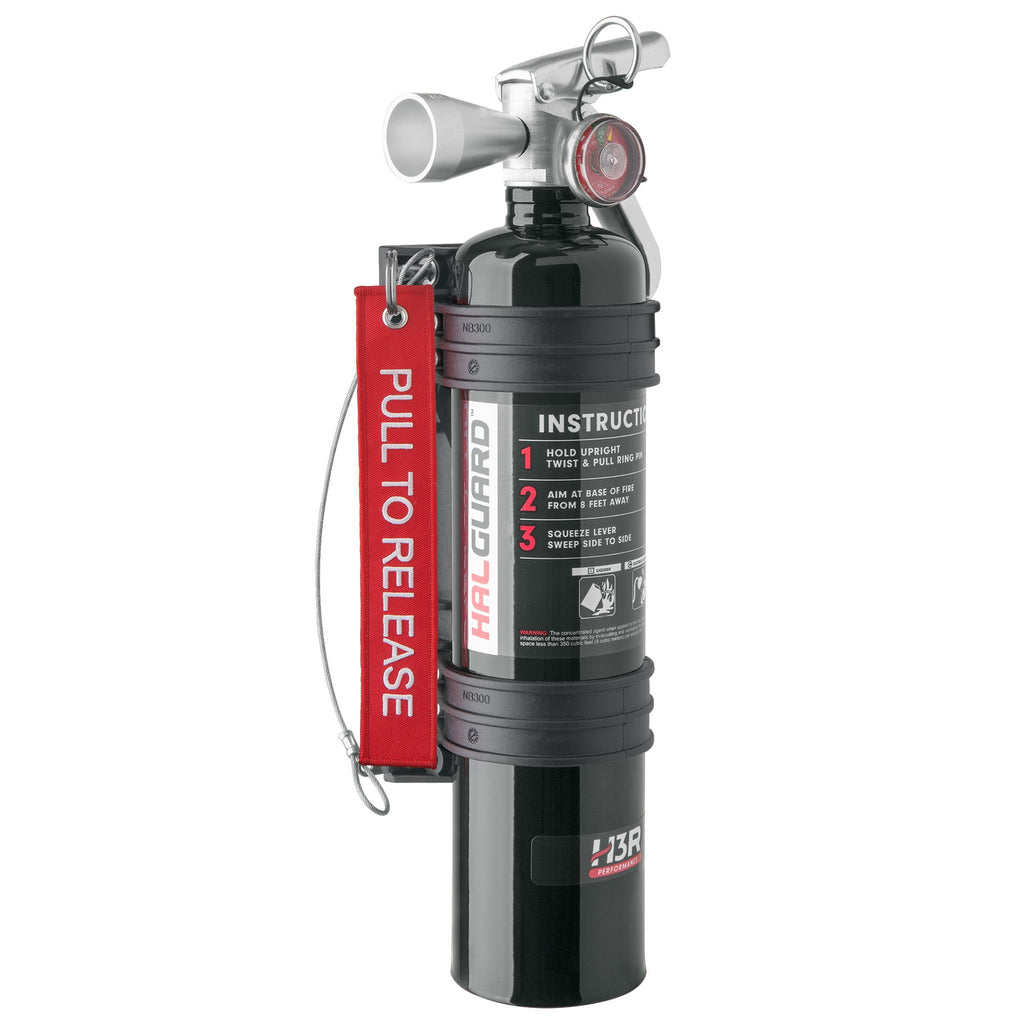
H3R Performance HG250B fire extinguisher is a fantastic option if you are not looking for a dry chemical extinguisher. This fire extinguisher is a clean agent extinguisher, also known as “HalGuard.” The HalGuard uses Halotron I, a liquified gas that evaporates upon discharge, leaving zero residue and causing no damage to engine components. The HalGuard is compact, lightweight (around 2.6 lbs), and comes with a sturdy steel mounting bracket for secure placement in vehicles, ensuring quick access and safety. One negative about this extinguisher though is that it can be pretty pricey.
Pros:
-
Cool design
-
Clean agent extinguisher (halon alternative)
-
Very effective
-
Lightweight
-
Comes with a sturdy steel mounting bracket
Cons:
-
Pricey
6. Best Fire Extinguisher for Rough Conditions - Kidde Fire Auto Fire Extinguisher

Kidde Fire Auto Fire Extinguisher is a good inexpensive option. It uses BC powder chemicals, which are specifically designed for flammable liquids and electrical fires commonly found in vehicles. This extinguisher is about 2 lbs and works with liquid and electrical fires. Since this extinguisher is on the cheaper side, it is not refillable, so once used you will have to repurchase another one. Note: single-use fire extinguisher units like this one must be replaced every 12 years if not used. The safety pin is an easy pull and the handle is rust resistant, which makes it good for rough conditions.
Pros:
-
Inexpensive option
-
Lightweight
-
Rust resistant handle
Cons:
-
Not refillable
7. Best Compact Fire Extinguisher - Mini Firefighter

Although the Mini Firefighter does not look like it would put up too much of a fight against a fire, it actually packs quite a punch. The chemicals used in the Mini Firefighter are effective for small fires, making it ideal for quickly responding to vehicle fires before they spread. This is a perfect option if you are concerned about not having enough space for an actual car fire extinguisher, but still want something. This non-toxic option is super easy to use and is easy to clean up the residue as well. In our opinion, this is a must have product for everyone. Remember, the priority in a vehicle fire is to put out small fires before they spread or to buy time for people to get out.
Pros:
-
Compact size
-
Easy to use
-
Surprisingly effective
-
Non-toxic
Cons:
-
Not for everyone
-
Not suitable for large fires
8. Best Budget Fire Extinguisher - First Alert Car and Marine Fire Extinguisher
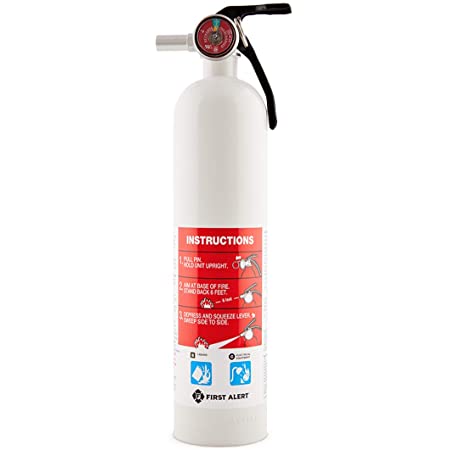
First Alert Car and Marine Fire Extinguisher is a great affordable option if you are trying not to break the bank. Although it may not be as good as some of the pricier options, it is still not bad and better than nothing. This extinguisher uses sodium bicarbonate chemicals, a BC powder agent effective for flammable liquid and electrical fires commonly found in vehicles. It also features a visible pressure gauge, allowing you to verify functionality during monthly checks. The extinguisher has easy instructions and a metal pull pin with safety seal to help stop any accidental discharge.
Pros:
-
Fights flammable liquid and electrical fires
-
Uses sodium bicarbonate chemicals (BC powder)
-
Visible pressure gauge for monthly checks
-
Better than nothing
-
Affordable
Cons:
-
Not as effective as other fire extinguishers
-
Lower quality
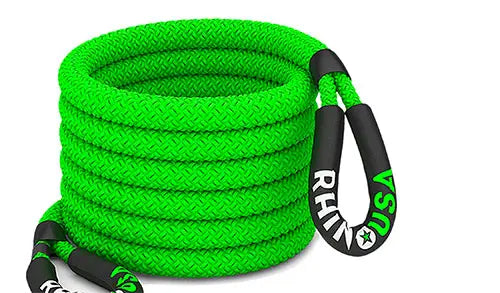
Rhino USA Kinetic Recovery Rope
The Rhino USA Kinetic recovery rope is the ultimate recovery tool for an avid off-roader to recover any stuck vehicle, quickly, and safely.
Your browser does not support our video.
We hope you found our list of the best fire extinguishers for cars and off-road helpful. Always remember, when going off-roading, the most important thing is to be prepared; accident, fires, and stuck vehicles happen. That's why we created the ultimate and off-road accessories, to make sure you worry less, and adventure more! Check out the best recovery gear available.
Fire Extinguisher Maintenance and Inspection
Having a fire extinguisher in your vehicle is only half the battle—regular maintenance and inspection are essential to make sure it’s ready when you need it most. Dry chemical extinguishers, such as those filled with Purple K, need a little extra attention. Over time, the powder inside can settle or pack down, so it’s a good idea to give your extinguisher a gentle shake or tap once a month to keep the dry chemical loose and ready to discharge in the event of a fire.
Monthly Checks
Inspect your extinguisher regularly for any signs of damage, corrosion, or wear. Look for dents, rust, or a broken seal, and make sure the pressure gauge (if present) is in the green. Don’t forget to check that your extinguisher is securely mounted and easily accessible—an extinguisher that’s rolling around on the floor or buried under gear won’t do you any good in an emergency.
Cold Weather Considerations
If you’re using a Coldfire or similar extinguisher, be aware that some units can freeze in cold weather, making them useless when you need them most. Always check the manufacturer’s recommendations and consider a replacement or recharge if you live in an area with harsh winters.
Mounting and Accessibility
By sticking to a regular maintenance and inspection schedule, you’ll ensure your fire extinguisher is always ready to protect you, your vehicle, and your community from the dangers of fire. A little bit of prevention can go a long way in avoiding a total loss or a dangerous event on the road or trail.

FAQ's
Do fire extinguishers expire?
Most fire extinguishers do not have a true expiration date however, the general rule is that a fire extinguisher has a life expectancy of 10-12 years. It is important to inspect your fire extinguishers and make sure they are not rusting, impacted, or tampered with.
How do I properly mount a fire extinguisher in my off-road vehicle?
Mounting your fire extinguisher securely is important to ensure easy access. Look for sturdy brackets or mounts designed for off-road vehicles. Place the extinguisher within reach of the driver and passengers, but away from potential hazards or obstacles. Regularly check the mount’s stability to ensure it stays in place during bumpy rides. Fire extinguishers should be securely mounted in a vehicle to prevent them from becoming projectiles during an accident.
Why do I need a fire extinguisher for off-roading?
Off-roading can expose your vehicle to various risks, including engine fires caused by overheating or accidents. A fire extinguisher is a crucial safety tool to have on board, helping you quickly contain and suppress fires before they escalate. It’s important to have a plan for what type of extinguisher to carry and where to mount it for quick access, so it can be easily grabbed in an emergency. In the event a fire is ignited, act quickly to extinguish small fires before they spread—especially in the ground area beneath or around the vehicle, where fuel or grass can catch fire. Always try to cut off the fuel supply if possible, as this is essential in controlling a vehicle fire. Environmental factors like ground conditions, heat, and wind can affect fire behavior and the effectiveness of putting out a fire, so consider these when choosing and using your extinguisher. If the fire is too large or fully involved, wait for emergency services and prioritize safety—once a fire is truly started, no extinguisher is good enough to put it out, and most vehicle fires will result in total loss. The priority should always be to save people and extinguish small fires when possible.
- Choosing a selection results in a full page refresh.