





How to Properly Secure a Roof Top Cargo Bag
When you're preparing for vehicular travel—whether it involves a comprehensive family vacation, an extensive cross-country expedition, or a strategic weekend getaway—the challenge of adequate storage capacity for essential equipment and personal effects represents a significant logistical consideration that demands a practical solution. This is precisely where cargo carriers become an indispensable component of your travel strategy—they constitute the optimal resolution for any individual requiring supplemental storage capacity without compromising the interior comfort and functionality of their vehicle. Through the proper installation and utilization of a roof-mounted cargo carrier system, you can efficiently transport luggage, recreational sports equipment, camping apparatus, or virtually any additional gear necessary for your journey, thereby ensuring that your travel experience remains both comfortable and well-organized.
Choose the Right Cargo Bag
To properly secure a rooftop cargo bag, you should start by selecting a high-quality cargo bag designed for roof racks. Look for durable materials like heavy-duty canvas or nylon that can withstand various weather conditions and protect your belongings from moisture and dust.
Key Factors to Consider
-
Size: Select a cargo bag that fits your vehicle’s roof and meets your storage needs. Make sure it does not obstruct your line of sight when driving, and it does not extend beyond the roof edges. Measure your roof dimensions and consult the cargo bag’s specifications to ensure compatibility.
-
Installation method: Different cargo bags require various installation methods. Some bags come with integrated straps, while others might need additional hardware, such as a roof rack or crossbars, to be properly secured. Determine the preferred installation method based on your vehicle’s existing equipment and the manufacturer’s recommendations.
-
Weather resistance: A good cargo bag should be able to withstand harsh weather conditions, including heavy rain, snow, and strong winds. Opt for a well-designed, waterproof, and UV-resistant bag to keep your belongings safe and dry.
-
Load capacity: Your vehicle’s roof and cargo bag have specific weight limits that must be observed to avoid overloading and potential damage. Inspect weight limits as per the vehicle's owner’s manual; standard limits are often between 110–165 lbs (50-75 kg), while cargo bags can hold between 75 and 150 lbs (34-68 kg) of items. Always check your owner's manual for the exact weight limit for your vehicle. Exceeding the maximum roof load capacity can damage your suspension or cause structural failure.
Types of Rooftop Storage
-
Hard boxes: Offer weather protection, added security, and are ideal for keeping valuables safe from theft and the elements. Hard boxes provide better weather sealing and security compared to soft bags for roof storage.
-
Open baskets: Also known as roof baskets or trays, these provide a sturdy, accessible base for securing gear and can be paired with other carriers like roof bags for flexible transport. Roof racks and baskets help prevent scratching or denting your vehicle when luggage moves around.
-
Soft bags: A cheap and lightweight option, making them suitable for occasional use or when you want to save money.
Choosing the right solution—whether a box, basket, or bag—depends on your travel needs, budget, and the level of protection required for your cargo.
Once you have selected the appropriate cargo bag, the next step is to ensure your roof rack is ready for installation.
Inspect Your Roof Rack
Before setting out on any journey, it’s crucial to take the time to inspect your roof rack to ensure a safe and worry-free trip. A thorough examination of your roof rack will allow you to identify and address any potential problems before they cause inconvenience or, worse, safety hazards.
-
Look for signs of damage or rust that could compromise the strength of your roof rack. Keep an eye out for bent, cracked, or corroded components. These issues could weaken the structural integrity of your roof rack and put your cargo at risk during transport.
-
Tighten loose bolts and screws as needed. Be sure to check that the cross bars are securely attached and properly aligned, as they are essential for safely securing your luggage. Some roof racks allow for sliding the cross bars or clamps to adjust for different cargo sizes—make sure these components slide smoothly and lock securely in place.
-
Replace any worn-out components that could lead to malfunctions or improper securing of your rooftop cargo bag.
Following these steps for a thorough inspection, your roof rack will be in prime condition to safely and securely transport your rooftop cargo bag. Remember, it’s always better to uncover and address any issues before hitting the road. Happy travels!
With your roof rack inspected and ready, it’s time to prepare your car roof for loading.
Preparing the Car Roof
Clean the Roof
Before you commence the process of loading up your cargo carrier, it's absolutely essential to properly prepare your vehicle's roof system to ensure optimal security and comprehensive vehicle protection. Begin by conducting a thorough assessment of the type and current condition of your car roof infrastructure. If your vehicle is equipped with factory roof rails—the metal bars that run lengthwise along your roof—you're already positioned advantageously, as most cargo carriers can be directly attached to these rails using professional-grade tie down straps or the specialized mounting points provided with your carrier system.
Before attaching any cargo carrier equipment, make absolutely certain your car roof is clean and completely free of debris, dirt, or foreign materials. Dirt or grit trapped under the carrier or securing straps can scratch your paint finish and compromise the secure fit of your cargo carrier system, potentially leading to dangerous load shifts during transport.
Check Weight Limits
You should check the load limit for your vehicle to ensure safe transportation of luggage on the roof. It's also critically important to consult your vehicle's owner's manual to verify the manufacturer's recommended weight limit for your roof system—this specification is crucial for safe operation. Overloading your roof can damage your car's structural components and significantly affect handling characteristics, especially at highway speeds where aerodynamic forces come into play.
Install the Carrier System
If your car doesn't have roof rails, we strongly recommend installing a roof rack system (the foundation base that provides secure mounting points for cargo accessories). Roof racks are widely available at most hardware stores and automotive retailers, and they provide a sturdy, reliable base for attaching your cargo carrier. Not only do they make the installation process significantly easier and more secure, but they also help protect your car roof from scratches, dents, and other damage that can occur when loading and unloading heavy gear—damage that could affect your vehicle's resale value and structural integrity.
When you're ready to install the carrier system, utilize only the designated mounting points and secure all straps or tie downs with appropriate tension—not too loose, which allows movement, but not overtightened, which can damage components. Double-check that everything is firmly attached and properly positioned, ensuring that the carrier is centered on your roof for maximum security and optimal weight distribution.
Taking these professional-grade preparation steps will help ensure your cargo stays safe and secure throughout transport, and your vehicle remains in top condition throughout your entire trip.
With your car roof prepared, you’re ready to position your cargo bag for optimal safety and aerodynamics.
Positioning Matters
Proper positioning of the cargo bag is crucial for stability and aerodynamics. It is essential to place the bag in the center of your roof rack to ensure optimal balance and safety. By evenly distributing the weight of your items inside the cargo bag, you can prevent any imbalances or strains on your vehicle.
-
Distribute weight evenly throughout the bag, with heavier items, such as suitcases, put at the bottom and positioned width wise across the roof rack for maximum stability. Lighter items should go on top.
-
Use packing aids such as packing cubes or bags to keep items organized and to avoid shifting during transport.
-
Avoid overhangs by ensuring that the cargo bag does not extend too far off the sides or front of your vehicle. Overhanging cargo can affect handling and fuel efficiency.
Taking care of these details will not only make your road trip smoother but also help in maintaining the aerodynamics of your vehicle. Remember to always double-check your cargo bag’s positioning and fastening before hitting the road. Following these simple yet effective tips will ensure a safe and enjoyable journey.
Once your cargo bag is positioned, it’s time to load and balance your cargo for maximum safety.
Loading and Balancing Cargo
Organize and Distribute Weight
Understanding proper cargo loading and weight distribution regulations is fundamental to ensuring compliance with vehicle safety standards and preventing potential liability issues during transportation. According to established transportation safety protocols, you must begin by conducting a thorough assessment of your cargo requirements and implementing systematic organizational procedures for efficient load management.
-
Place heavier items at the base of your cargo carrier, with lighter materials positioned above. This is a critical safety measure that maintains vehicle stability and prevents dangerous load displacement during operation.
-
Distribute the total weight evenly across both lateral and longitudinal axes. An improperly balanced load can result in significant vehicle handling deficiencies, particularly at elevated highway speeds or during emergency maneuvering situations.
-
Use packing cubes or bags to keep items organized and prevent shifting.
Secure with Approved Accessories
-
For bulkier cargo items, utilize approved cargo nets or certified bungee cord systems to secure all materials in their designated positions. However, avoid using bungee cords for securing luggage, as they are not reliable and can stretch or break, leading to loss of cargo.
-
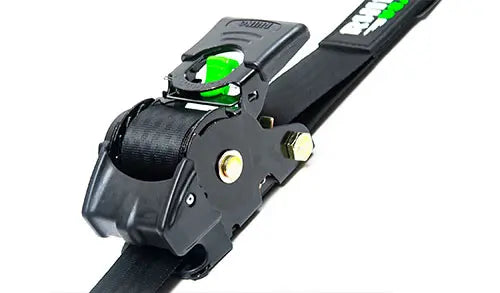
Use the manufacturer-provided restraint straps included with your cargo carrier system, or invest in additional approved tie-down mechanisms or ratchet strap assemblies for maximum load security. Using ratchet straps provides the most security when fastening luggage to a roof rack.
-
Wrap and secure cargo tightly to maintain positional integrity, even during extended travel periods or when traversing challenging road conditions.
Final Inspection
Before initiating your journey, conduct a comprehensive final inspection:
-
Verify that all restraint straps maintain proper tension.
-
Ensure the cargo net system remains secure.
-
Confirm that no materials extend beyond designated boundaries or present falling hazard risks.
-
Secure loose ends of straps to prevent noise and friction damage during travel.
By implementing proper cargo loading and weight distribution procedures according to established safety standards, you protect your equipment, your vehicle systems, and all individuals sharing the roadway.
With your cargo loaded and balanced, you’re ready to secure the bag for travel.
Secure the Bag
Distribute Weight Evenly
-
Distribute the weight evenly within the cargo bag. This will help maintain balance and reduce the risk of tipping or damage to your car.
-
Make use of compartments, if available, and place heavier items at the bottom and lighter items on top.
Check Weight Limits
-
Check your car’s roof rack and cargo bag limits. Be sure not to exceed the weight limits provided by the manufacturer as overloading can lead to serious damage.
Mount and Fasten the Bag
-
Mount the cargo bag securely to your roof rack or crossbars, following the manufacturer's instructions.
-
Attach the cargo bag using the built-in straps or attachment points provided with the bag.
-
When tightening the straps, apply enough force to ensure the bag is stable and does not move, but avoid over-tightening to prevent damage to the bag or rack.
-
For extra security, use hooks or soft loops as attachment methods.
-
Ratchet straps: Using ratchet straps provides the most security when fastening luggage to a roof rack. Ratchet straps allow you to apply significant tension and lock the straps in place, preventing any movement during transit.
-
Avoid bungee cords: Avoid using bungee cords for securing luggage. Bungee cords can stretch, snap, or come loose, making them unreliable and unsafe for securing heavy or valuable cargo.
-
Secure loose ends: Always make sure to secure loose ends of straps to prevent noise and friction damage during travel.
-
Cargo net: For added security, consider using a cargo net over your cargo bag. A cargo net provides an extra layer of protection, ensuring that your items stay in place and do not shift during transit.
-
Anti-slip mat: Place an anti-slip mat or rubber padding between the cargo bag and your vehicle’s roof. An anti-slip mat is a layer of rubber or grippy material that prevents the cargo bag from sliding and protects your car’s paint from scratches and damage.
Final Checks
-
Double-check the cargo bag’s position and securement once everything is set up.
-
Look for any signs of sagging or shifting and make adjustments as necessary to ensure that it stays in place while on the road.
By following these steps, you can be confident that your rooftop cargo bag is safely fastened and your belongings are secure as you embark on your journey.
With your bag secured, consider adding extra security measures for peace of mind.
Add Extra Security
For added peace of mind, consider implementing extra security measures to ensure the cargo bag is safe and your cargo is transported securely. Utilizing these accessories can significantly reduce the risk of your cargo bag becoming loose or shifting, especially on rough terrain or at high speeds.
-
Carabiner Clips: Carabiner clips are strong, durable, and easily attachable to your rooftop bag and roof rack. By using these clips, you can reinforce the security of your bag and maintain its position throughout your journey.
-
Cargo Nets: Another useful accessory is a cargo net, which can be draped over your cargo bag, providing an extra layer of protection. Cargo nets ensure that your items stay in place and do not shift during transit. They usually come with adjustable hooks or buckles, allowing you to customize the fit and secure your belongings with ease.
Benefits of Extra Security Measures:
-
Increased safety and security for your belongings
-
Reduced risk of shifting or loosening while driving
-
Cost-effective solutions for added peace of mind
With extra security in place, it’s important to also protect your cargo bag against theft.
Protect Against Theft
Protecting your rooftop cargo bag against theft is crucial for ensuring the security of your belongings during your travels. There are several ways to safeguard your cargo bag against potential theft.
-
Choose a Bag with Lockable Zippers: Invest in a rooftop cargo bag that features lockable zippers. This will make it more difficult for would-be thieves to gain access to your belongings. If your current bag does not have lockable zippers, you can purchase a padlock or combination lock that can be looped through the zippers to provide added security.
-
Secure the Bag to Your Roof Rack: Properly securing your cargo bag to the roof rack not only prevents it from shifting during transport but also makes it harder for thieves to remove the bag from your vehicle. Use strong tie-downs or straps to firmly attach the bag and follow the manufacturer's instructions to ensure it won't be easily removed.
-
Keep Valuables Out of Sight: When packing your cargo bag, place valuable items towards the bottom and out of view. This will make it less tempting for opportunistic thieves who might try to steal your belongings.
-
Park in Well-Lit Areas: Whenever possible, park your vehicle in well-lit areas or places with a lot of foot traffic. This provides an added deterrent against theft as it increases the chances of a thief being caught in the act.
-
Remove the Bag When Not in Use: When you reach your destination or if you plan to park for an extended period, consider removing your rooftop cargo bag from your vehicle. This will reduce the risk of theft and also protect your bag from potential damage due to exposure to the elements.
By taking these steps, you can minimize the risk of theft and keep your belongings secure during your journey.
After securing your cargo against theft, it’s time to test for stability before you hit the road.
Test for Stability
Before embarking on your journey, it’s important to perform a thorough stability test to ensure your rooftop cargo bag is securely fastened and won’t cause any issues during transit. Follow these steps to check the stability of your cargo bag:
-
Gently tug from different angles: Give the cargo bag a gentle pull from various directions, ensuring that there is no movement or loosening of straps. This will help confirm that the bag is firmly attached to your vehicle.
-
Inspect the straps: Make sure your straps are not twisted or tangled, and they are evenly tightened across the cargo bag. Twisted or uneven straps may lead to instability or even total failure during transport.
-
Check the weight distribution: Look into the rooftop cargo bag to ensure that the items inside are evenly distributed. A balanced weight distribution will help prevent shifting during transit and maintain stability.
-
Verify the bag’s position: Confirm that the cargo bag is properly centered on your vehicle’s roof, without excessive overhang. This helps maintain the bag’s stability and minimizes the risk of any potential issues.
-
Monitor suction cups (if applicable): In case your roof bag is attached using suction cups, make sure they are properly adhered to the vehicle’s roof and there’s no visible damage or lifting. Reapply the suction cups if necessary.
For maximum safety, always secure things directly to the roof rack or crossbars, rather than relying on loose attachments or intermediaries. This reduces the risk of items shifting or coming loose while driving.
Tip: Use a step ladder or stool to help you load luggage onto the roof rack safely and avoid damaging your vehicle.
After performing these stability tests, if everything feels secure and tightly fastened, you can confidently proceed with your journey, knowing that your rooftop cargo bag is securely in place.
Once you’re on the road, it’s important to monitor your cargo during transit.
Monitor During Transit
Periodic Checks
During your journey, it’s essential to periodically check the cargo bag, especially after encountering rough roads or adverse weather conditions. If you are on a long drive, make it a point to stop and inspect the cargo bag to ensure nothing has shifted. Keeping an eye on the rooftop cargo bag ensures both your safety and the security of your belongings.
-
Observe for any signs of the bag loosening or shifting. In case you notice anything unusual, pull over safely as soon as possible.
-
When pulled over, inspect the cargo bag thoroughly and re-secure it if needed. Make sure the straps or tie-downs are still tight and properly fastened.
-
In addition, check for any damage or wear on your cargo bag. If there is significant damage, consider replacing or repairing the bag before continuing your journey.
-
Be aware that wind can cause the cargo bag or soft bags to bulge or move, and may increase wind noise. Check for any bulging or movement caused by wind and adjust the bag or straps as necessary.
Driving Tips
-
While driving, it’s also a good idea to maintain consistent speeds and avoid sudden turns or abrupt stops, as these actions can cause the cargo bag to become unstable.
-
For safety, drive at a manageable speed—typically below 65–70 mph—when carrying a roof load, as higher speeds can affect vehicle dynamics and stability.
-
By monitoring your cargo bag during transit and addressing any concerns immediately, you can ensure a stress-free and safe trip with your rooftop cargo bag securely in place.
After your journey, it’s important to unload your cargo bag with care.
Unload with Care
When you reach your destination, it is important to unload your rooftop cargo bag with care. This will not only ensure the safety of your belongings but also prevent any sudden movements that could destabilize your vehicle. Follow these steps to unload your rooftop cargo bag properly:
-
Stay organized: As you carefully remove each item from the bag, remember to keep track of all your possessions to avoid misplacement or damage.
-
Distribute weight evenly: When you unpack, remember to maintain your vehicle’s balance. Gradually remove items from both ends of the bag to prevent any sudden shifts in weight. As a tip, remove heavy stuff first to help maintain vehicle balance and prevent injury.
-
Be mindful of surroundings: Ensure your vehicle is parked in a safe and spacious area with minimal risk of potential hazards. When unloading, open car doors carefully to avoid damage to your vehicle or nearby objects.
-
Check for damage or wear: Inspect your cargo bag and vehicle’s roof rack or crossbars for any signs of wear, damage, or loosening of straps. Address any concerns immediately before using your cargo bag again.
-
Detach the cargo bag: Once all items have been removed from your rooftop cargo bag, carefully follow the manufacturer’s instructions to detach it from the roof rack. This typically involves loosening and unfastening any straps or clamps used to secure the bag. If you used the driver's side door or passenger side door as anchor points for the straps, open those doors to access and remove the straps. Unloading from the rear of the vehicle can also provide easier access to the cargo bag's lock or hinge mechanism.
After unloading, proper storage of your cargo bag will ensure it’s ready for your next trip.
Store Properly When Not in Use
After a successful journey with your rooftop cargo bag, it's essential to store it when not in use properly. Following a few simple steps ensures your cargo bag remains in great condition and ready for your next adventure.
-
Clean the cargo bag thoroughly. Remove any dirt, debris, or moisture that may have accumulated during your travels. Use a mild detergent and a soft cloth to clean the surface gently. Rinse with water and allow it to air dry completely before storage.
-
Find a suitable storage location for your cargo bag. The ideal storage area should be:
-
Clean and dry
-
Away from direct sunlight
-
Temperature-controlled
-
Free from sharp objects or potential hazards
-
To prolong the life of your cargo bag and maintain its functionality, consider placing it in a protective storage bag or using a cover to shield it from dust and potential damage.
-
When storing your rooftop cargo bag, properly fold or roll it to prevent creases or damage to the material. Follow the manufacturer's instructions for folding or rolling, as each bag may have specific requirements. It's a good practice to store your cargo bag while maintaining its shape, potentially using packing straps or bands to keep it secure in the storage area.
By following these storage practices, you'll ensure that your rooftop cargo bag remains in excellent condition, making it a reliable travel companion for years.
Pack It Right, Hit the Road
By following these essential guidelines, you can ensure a safe and secure rooftop cargo bag experience.
-
Properly distribute the weight of your items so that your vehicle remains stable and there is no risk of damage. It’s crucial to avoid overloading and adhere to the weight limits specified by the manufacturer. Exceeding the maximum roof load capacity can damage your suspension or cause structural failure.
-
Take time to pack your items carefully. Group them by size, weight, and fragility, placing heavier items at the bottom and lighter, more delicate items on top. Using packing cubes or bags is an excellent way to organize similar items and maximize space.
-
Properly secure your cargo bag. Use tie-downs or, preferably, ratchet straps to prevent shifting during transit, and follow the manufacturer’s instructions closely. Consider using an anti-slip mat beneath the bag to prevent scratches and ensure added security. Avoid using bungee cords for securing luggage.
-
Secure loose ends of straps to prevent noise and friction damage.
-
Use a cargo net for extra security over your luggage.
-
Periodically check your cargo bag throughout your journey. Inspect the straps for any signs of wear, check the items inside to ensure they remain secure, and confirm that your cargo bag is firmly attached to your vehicle.
-
Drive at a manageable speed (typically below 65–70 mph) when carrying a roof load, as it affects vehicle dynamics.
By adhering to these best practices and securing your cargo bag correctly, you can save money by avoiding damage to your vehicle or luggage, while enjoying the additional storage space provided by a rooftop cargo bag and ensuring a safe and smooth journey for both you and your fellow travelers.
- Choosing a selection results in a full page refresh.