

How to Properly Use Soft Loop Tie-Down Straps
Learning how to use soft loop tie down straps is essential for anyone who owns a vehicle, rides motorcycles, or needs to transport cargo such as ATVs, UTVs, or other valuable equipment. This article is designed for vehicle owners, motorcycle riders, and anyone transporting cargo who wants to ensure their load is secure and protected during transit. We will cover what soft loop tie-down straps are, why they matter, important safety tips, and provide a step-by-step guide for using them. Understanding and applying these techniques is crucial to prevent damage to your vehicle or cargo and to ensure safe, stable transport every time.
By the end of this article, you’ll know exactly how to use soft loop tie down straps, including a detailed step-by-step guide, so you can confidently secure your motorcycle, ATV, UTV, or any other cargo for transport.
What are Soft Loop Tie Down Straps?

Soft loop tie-down straps are used for securing motorcycles, ATVs, UTVs, and other types of cargo. They protect the surface of vehicles from damage caused by metal hooks and add stability to the cargo during transport. Soft loops are an affordable add-on for hook-end tie-down straps that you can purchase for less than $20.
Soft loop tie-down straps are a must-have for safely transporting motorcycles, dirt bikes, UTVs, or ATVs. Securing cargo with tie-down straps alone – with no soft loops – will ultimately scratch the paint or metal on your motorcycle handlebars or UTV frame rail. Soft loops are the ultimate solution to this problem. By simply wrapping the soft loops around your desired tie-down points, they will protect the surface from any damage caused by metal hooks.
Unlike metal hooks, soft loops also add flexibility, meaning they can securely wrap around any tie-down point on your vehicle. To add to this, metal on metal is a terrible mix when tying down your expensive cargo. Once you have secured your soft loops to your tie-down points, you will not have to worry about the possibility of them slipping or sliding. This adds some much-needed stability for the long road ahead.
Now that you understand what soft loop tie-down straps are and why they are important, let's review some key safety precautions before using them.
Safety Precautions
Load Positioning and Weight Limits
When it comes to the proper implementation of ratchet strap systems or tie down strap mechanisms, adherence to established safety protocols should constitute your paramount consideration. Before you commence any cargo securing procedures, it is imperative that you:
-
Execute proper load positioning within your truck bed or trailer configuration.
-
Ensure that you are operating within prescribed weight limitations.
-
Always select the appropriate ratchet tie apparatus that corresponds to the specific dimensions and mass of your cargo load.
-
The selection of correct materials and equipment represents the foundational element in ensuring your cargo remains protected and your transportation operation proceeds without incident or liability.
Strap Attachment and Tensioning
As you prepare to execute cargo securing procedures:
-
Position the strap apparatus around your load with careful precision—ensuring adequate tension while avoiding excessive force that could result in cargo damage or strap failure.
-
Utilize s hook attachments to secure the strap system to designated anchor points within your truck bed or trailer structure.
-
Conduct thorough verification that all connections are properly established to prevent any load displacement or shifting during transport operations.
-
When engaging the ratchet mechanism, exercise caution to avoid over-tensioning; excessive force can result in damage to both your cargo and the strap system itself, potentially creating liability issues.
Inspection and Maintenance
-
Conduct regular inspections of your tie down strap systems for any indicators of deterioration, including fraying, compromised stitching, or structural damage.
-
A compromised strap cannot provide adequate load security, therefore you must replace any questionable straps before commencing transportation.
-
If you lack experience with ratchet strap or tie down strap systems, do not hesitate to consult professional resources or seek guidance from qualified experts—investing time in proper education can prevent costly errors and potential legal consequences.
-
Always maintain awareness of your operational environment and ensure you have unrestricted access to your straps and cargo in the event that adjustments become necessary during transport.
-
Should you encounter any technical difficulties with accessing instructional resources, or if you experience equipment malfunctions with your ratchet strap system, simply contact the manufacturer's support services or file an appropriate service request for technical assistance.
By implementing these safety protocols and best practices, you will be positioned to secure your cargo with professional confidence, knowing you have taken every necessary measure to protect your load and ensure safe, compliant transportation. Remember: proper preparation, meticulous attention to detail, and systematic inspections are the fundamental requirements for successful ratchet strap or tie down strap operations in every transport scenario.
With these safety tips in mind, you are ready to learn how to properly use soft loop tie-down straps.
How to Properly Use Soft Loops

Soft loop tie-downs are quite easy to use. When you learn it the first time, you will likely never need to learn it again. With that said, below you will find our step-by-step guide on using soft loops to correctly secure cargo for transport.
Step-by-Step Guide: How to Use Soft Loop Tie Down Straps
-
Wrap the twisted loop-end around your desired anchor point.
-
Insert the straight loop-end through the twisted loop.
-
Pull the straight loop-end through until the soft loop is firmly secured.
-
Attach your tie-down hook to the remaining loop (the one you pulled through).
If you are a visual learner, use the image depiction above to see the step-by-step.
Now that you know how to use soft loop tie down straps, you can confidently secure motorcycles, ATVs, UTVs, and other cargo for safe transport.
Soft Loop Tie-Down Straps Usage Checklist
-
Use for: Motorcycles, ATVs, UTVs, and other cargo to prevent surface damage and add stability.
-
Protective Benefits: Soft loops prevent scratching and damage from metal hooks.
-
Stability: Always use a four-point contact system (two straps at the front, two at the rear) for maximum stability.
-
Securing Both Ends: Secure both the front and rear of your cargo (such as a motorcycle) for optimal safety.
-
Inspect Straps: Always check for wear, fraying, or damage before use.
-
Proper Positioning: Place your vehicle or cargo on a flat, stable surface before securing.
-
Tension Evenly: Tighten straps evenly to avoid over-compressing suspension or damaging cargo.
Where to buy Soft Loop Tie-Down Straps

Featured Product: Rhino USA Soft Loop Tie Down Straps
Rhino USA's Ultimate 1.7” x 17” Soft Loop Motorcycle Tie-Down Straps have a massive 10,427lb break strength and come in various colors to paint match your motorcycle, dirt bike, ATV, or UTV. Made with our exclusive Poly/Silk webbing, ensuring a soft, tough, and more durable strap.

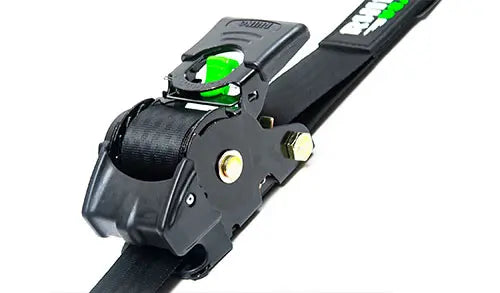
Rhino USA also offers the best ratchet tie down system in the industry, which includes four heavy duty ratchet straps and four soft loop tie down straps, to secure your prized motorcycle or UTV. Rhino USA's Ratchet Tie Down Set has a break strength rating of 5,208lbs, and has a heavy duty double-diamond stitching construction, with s-hooks, and padded ratchet handles.
If you are interested in ordering Rhino USA Soft Loops or the Rhino USA Ratchet Tie Down Set, visit our online store to learn more.
 FAQ's
FAQ's
What are soft loop tie downs used for?
Soft loop tie downs are one of the strongest and most effective ways to secure a vehicle onto a trailer, truck bed, or other situation. Rhino USA Soft loop tie downs are easy to use, durable, and pair perfectly with Rhino's ratchet straps for hauling any kind of vehicle or load. They can be used for motorcycles, UTV's, ATV's, moving furniture, appliances, and so much more!
Can I use Soft Loop Tie-Down Straps for different types of cargo?
Yes, Soft Loop Tie-Down Straps are versatile and can be used for various types of cargo, including motorcycles, ATVs, kayaks, bicycles, and even furniture. However, it's crucial to select the appropriate strap length and weight capacity based on the size and weight of your cargo.
What is the best way to tie down a motorcycle?
Tying down a motorcycle with soft loop tie-down straps is a simple and effective way to secure your bike during transport. Here are the steps to do it:
Materials Needed:
-
Soft Loop Tie-Down Straps (at least two)
-
Motorcycle Gloves (for handling and securing the bike)
Instructions:
-
Choose a Secure Loading Area: Park your motorcycle on a flat, level surface or trailer designed for motorcycle transport. Ensure the motorcycle is in the upright position.
-
Prepare the Soft Loop Tie-Down Straps:
-
Attach the soft loop end of each tie-down strap to a secure point on the motorcycle, such as the handlebars, frame, or passenger pegs. Be cautious not to pinch any cables or hoses when attaching the straps.
-
Position the Motorcycle:
-
If you have a helper, have them hold the motorcycle upright. If you're doing it alone, use a motorcycle stand or a securely positioned motorcycle wheel chock to keep the bike upright.
-
Secure the Front:
-
Attach one end of each strap to the soft loops at the front of the motorcycle.
-
Extend the other end of each strap to anchor points on your trailer or vehicle.
-
Tighten the straps evenly using the ratchet mechanism to compress the front suspension slightly. Be careful not to over-compress.
-
Secure the Rear:
-
Attach the remaining soft loop tie-down straps to the rear of the motorcycle, following the same process as for the front.
-
Extend the other ends of the straps to anchor points on your trailer or vehicle.
-
Tighten the straps evenly using the ratchet mechanism to secure the rear of the bike.
-
Double-Check:
-
Double-check all straps to ensure they are tight and secure. Make sure the motorcycle is stable and doesn't wobble or shift when gently pushed or rocked.
-
Test the Setup:
-
Before hitting the road, carefully test the motorcycle's stability by gently rocking it side to side and forward and backward. Ensure it remains securely in place.
By following these steps and using soft loop tie-down straps, you can confidently and securely transport your motorcycle without risking damage or instability during transit.
- Choosing a selection results in a full page refresh.