



How to Quickly Launch a Boat by Yourself
Are you a solo boater, beginner, or someone looking to master the art of independent boating? This guide is designed specifically for individuals who want to learn how to launch a boat by yourself—whether you’re new to boating, prefer solo adventures, or simply want the flexibility and confidence to handle your vessel alone. Here, you’ll find a clear, step-by-step solo launch process that covers everything from preparation to retrieval. Learning to launch a boat by yourself is important for several reasons: it fosters independence, enhances safety by ensuring you know each step, and offers the convenience of enjoying the water on your own schedule without relying on others.
This guide will walk you through each stage, ensuring you’re prepared, safe, and efficient. We’ll also explain key terms like winch strap (a strong strap with a hook used to pull your boat onto the trailer), bow line (a rope attached to the front of the boat for securing or guiding it), and drain plug (a plug that prevents water from entering the hull; always insert before launching).
Why Prepare Away from the Ramp?
Preparing your boat and loading all gear away from the ramp is crucial. It helps you avoid causing congestion at the launch site, ensures you don’t forget essential items, and allows you to check your vessel and trailer for any issues before you’re under pressure. Always insert the drain plug before launching your boat. Forgetting to put the drain plug in is a common mistake.
Preparation Checklist
Before you head to the ramp, make sure you have everything you need for a safe and enjoyable solo launch. Here’s a recommended checklist:
-
Safety gear (including life jackets for all passengers)
-
Plenty of water and snacks
-
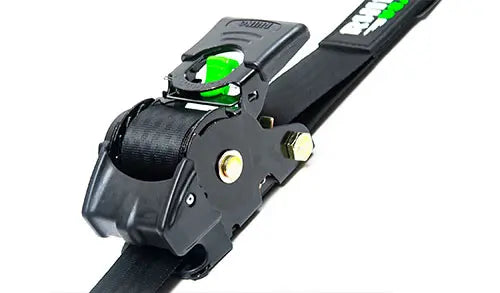
Retractable transom straps to secure your boat during transport
-
Dock lines (ropes for securing your boat at the dock)
-
Winch strap (a strap with a hook for pulling your boat onto the trailer)
-
Drain plug (insert before launching to prevent water from entering the hull)
-
Emergency medical supplies
-
Reliable communication device (cell phone or VHF radio)
-
Navigation plan and contact information for your trip
Always insert the drain plug before launching your boat. Forgetting to put the drain plug in is a common mistake.
Tips for Practicing Solo Launching
Launching a boat by yourself can be challenging at first, but practice makes perfect. Here are some tips to help you build confidence and skill:
-
Practice backing up a trailer in an empty parking lot to improve your launching skills and get comfortable with the process.
-
Practice launching your boat during off-peak hours to reduce stress and wait times at the ramp.
-
Develop a routine for launching to ensure nothing is overlooked.
-
Try launching your boat when the ramp is less busy to build confidence and efficiency.
Step One: Positioning Your Trailered Boat

Aligning the Vehicle and Trailer
Begin the launch process by positioning your boat, which should be attached to your truck and trailer, at the water's edge. Always check that your vehicle and trailer are straight and properly aligned with the ramp before backing in. Make sure to turn off your truck or put it in park before you get out.
Attaching the Bow Line
After parking, use a long rope to tie the bow (front) of your boat to your truck. This bow line will help you control the boat during the launch.
Once your vehicle and trailer are properly positioned, you are ready to begin backing up the boat into the water.
Step Two: Backing Up the Boat Into the Water

Unplugging Trailer Lights
Before you begin, unplug trailer lights before backing into the water to prevent damage from water exposure.
Releasing the Winch Strap
Free your winch cable (the strap with a hook used to pull your boat onto the trailer) from the bow of your boat and quickly get back into your car.
Backing Down the Ramp
When backing up, use the front winch and safety chain to control and secure the boat. Only unhook the winch strap and safety chain once the boat is in the water and ready to float, to prevent it from drifting away. Back up your truck slowly until you see your boat floating up from your trailer. The stern of the boat should begin to float as a sign to stop backing down.
Attaching Dock Lines
Attach dock lines to both the bow and stern cleats before launching. Be careful not to back the trailer down the ramp too far, as this can cause the boat to drift or get stuck.
Once your boat is fully disconnected from your trailer, you’ll want to park or shut off your vehicle to finally untie the rope that you originally tied to your car.
If you seem to be having trouble getting your boat off your trailer, performing a hard stop can help free your boat from your trailer. If you are still unable to get your boat off with this method, you may need to climb up on your trailer and manually push your boat off into the water.
With your boat now floating and secured, you’re ready to focus on safety before proceeding to the next step.
Safety Considerations
Launching a boat by yourself requires careful attention to safety. Here are essential safety tips and procedural steps to follow:
-
Always wear a life jacket when launching or boarding your boat.
-
Unplug trailer lights before backing into the water to prevent damage from water exposure.
-
Always insert the drain plug before launching your boat.
-
Always check your surroundings for other boaters and obstacles before launching.
Disconnecting Trailer Lights
-
Unplug your trailer's electrical lighting system before backing down the ramp to prevent electrical system failures and short circuits.
Installing the Drain Plug
-
Under no circumstances should you overlook the installation of the drain plug (a plug that prevents water from entering the hull) prior to your watercraft's transition from trailer to water.
Ramp Etiquette
-
Maintain awareness of fellow mariners awaiting their designated launch sequence.
-
Provide adequate clearance distances for all watercraft operators.
-
Keep your launch procedures efficient and systematic, but never hurried.
Securing the Boat
-
Secure a proper bow line attachment to an appropriate dock cleat or designated mooring point.
-
Keep the winch strap connection engaged until your watercraft achieves complete water displacement and is positioned for safe release.
Environmental Awareness
-
Exercise vigilance regarding shallow water conditions and submerged obstacles.
-
Implement gentle reverse throttle application to prevent uncontrolled drift.
-
After launching, move your towing vehicle to a designated parking area to avoid obstructing the ramp.
-
Maintain continuous situational awareness, secure all equipment, and verify that nothing is left behind.
-
Prepare for unexpected environmental changes and keep emergency supplies and communication devices on board.
-
Consider completing a certified boating safety education course to enhance your knowledge and skills.
With these safety protocols in mind, you can proceed confidently to the next steps of launching your boat by yourself.
Step Three: Start the Boat Engine and Safely Dock

Boarding and Controlling the Boat
Once you have full control of the rope, walk onto the dock to board or secure the boat. Use this control to move your boat over to the dock or your designated dock point.
Securing the Boat
Secure the boat with a bow line (rope attached to the front of the boat) to prevent it from drifting away when you release it into the water.
Post-Launch Check
After safely and securely docking your boat, you can move your car to park. While having another person can help with the process, these steps are designed for launching by yourself. Before heading out, conduct a post-launch check to ensure all lines are secured and the vessel is ready for operation.
Now, you’re all set and ready to have a day on the water by yourself. But wait, we aren’t done—retrieving your boat is just as important.
Final Step: Trailering Your Boat by Yourself

Docking the Boat
Don't worry, this is just as easy as launching your boat by yourself. Dock your boat in the same place you docked it originally, or another suitable spot with enough room to maneuver your car and trailer.
Backing Up the Trailer
-
Retrieve your car and back it up so your trailer is able to pick up the front of the boat.
-
Ensure your trailer is in the water, then shut off your vehicle or put it in park.
Securing the Boat on the Trailer
-
Get in your boat and untie it from the dock or docking point.
-
Use whatever is near you for leverage as you push away to move your boat away from the dock.
-
Slowly drive your boat up the trailer until the front of your boat is close enough to attach the winch (the strap with a hook for pulling your boat onto the trailer).
-
Once secured, safely get off your boat without fear of it floating away.
-
Crank the winch up until the front of the boat is secure and in the correct place, ensuring your boat stays secure on the trailer.
Final Checks
-
After the boat is loaded onto the trailer, secure it with the winch and safety chain before driving away.
-
Confirm that the vessel is ready for operation before leaving the ramp.

FEATURED PRODUCT: Rhino USA Replacement Boat Winch Strap w/ Hook
FAQ's
Are there specific safety measures to follow when launching a boat alone?
Yes, safety is paramount when launching a boat solo. Our blog emphasizes key safety measures, such as proper use of personal protective equipment, understanding water conditions, and maintaining situational awareness during the launch process. These precautions help ensure a secure boating experience for solo enthusiasts.
What equipment do I need to launch a boat by myself?
The essential equipment includes a trailer with proper support, a functional boat winch, and basic safety gear. Our blog outlines the specific tools and items you'll need for a successful solo boat launch, ensuring a smooth and efficient process.
- Choosing a selection results in a full page refresh.