





How to Strap Down a Refrigerator on a Trailer
|
|
13 Mins Read

|
|
13 Mins Read
If you’re searching for how to strap down a refrigerator on a trailer, this guide is for anyone planning to move a refrigerator using a trailer, whether for a home move or appliance delivery. Transporting a refrigerator on a trailer requires careful preparation and secure strapping. Failure to properly secure this large appliance can lead to serious consequences.
We’ll cover equipment selection, preparation, loading, strapping techniques, safety tips, and unloading procedures to ensure your refrigerator arrives safely and undamaged.
Your refrigerator may shift during transit, potentially damaging its internal components or exterior. Dents, scratches, and broken parts are common issues when appliances are not properly restrained. Since refrigerators are essential for your day-to-day routine, protecting them during a move is crucial to avoid disrupting your daily life.
The safety of other drivers is also at risk. An unsecured refrigerator could fall off the trailer, causing accidents or road hazards. You may face legal liability for any resulting damages or injuries. Some people love their current fridge and find it worth the effort to move it, whether for sentimental reasons or because it fits their needs perfectly.
Your trailer itself is not immune to damage. A heavy, unsecured appliance can dent or warp the trailer bed and compromise its structural integrity. Before you begin, pick the right equipment for your refrigerator and explore different strapping options to ensure the best fit for your specific situation.
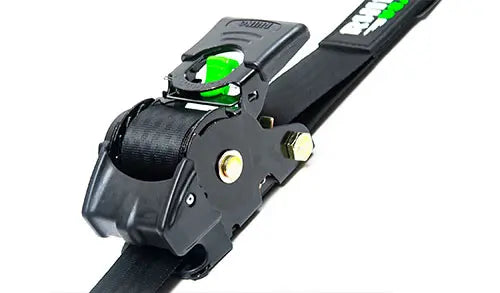
To avoid these risks, using high-quality straps is essential. Rhino USA’s Retractable Ratchet Straps offer a reliable solution for safe transport. These straps provide:
Strong, durable construction
Easy-to-use ratchet mechanism
Retractable design for convenient storage
When selecting straps, ensure they have an appropriate weight rating for your refrigerator. Position the straps strategically to prevent any movement during transport.
By taking the time to properly secure your refrigerator, you protect your investment, ensure road safety, and maintain the condition of your trailer. Remember, a few extra minutes spent on proper strapping can save you from costly repairs and potential accidents.
Selecting the proper gear is crucial for safely securing a refrigerator on a trailer. You’ll need high-quality ratchet straps as your primary securing method. Ratchet straps are heavy-duty straps with a ratcheting mechanism for tightening and securing heavy items. These straps offer superior strength and adjustability compared to other options. Before you start, gather all the things you’ll need for the move, including straps, protectors, and moving equipment.
Opt for ratchet straps with a sufficient weight rating for your refrigerator. Look for straps made from durable materials like polyester webbing, which resists stretching and fraying. Ensure the hooks or fasteners are sturdy and compatible with your trailer’s anchor points. If you’re unsure which straps or gear to use, find options specifically rated for appliances or heavy things like refrigerators to ensure safety.
Rhino USA’s Retractable Ratchet Straps are an excellent choice for this task. These straps boast impressive strength ratings and are built to last. Their retractable feature makes storage and handling much easier than traditional straps.
Corner protectors are foam or rubber guards that distribute strap pressure and prevent denting at the edges. Consider using corner protectors to prevent damage to your refrigerator’s edges. These foam or rubber guards distribute pressure and protect against strap abrasion.
A furniture dolly or appliance hand truck will make loading and positioning the refrigerator much easier. Ensure it has a weight capacity that exceeds your appliance’s weight. If you don’t own this equipment, you can rent a dolly or even a moving truck from a local hardware or rental store.
Don’t forget about safety gear for yourself. Work gloves will protect your hands and improve grip when handling straps and equipment.
Ratchet straps (4) – heavy-duty straps with a ratcheting mechanism for tightening and securing heavy items
Corner protectors (4) – foam or rubber guards that distribute strap pressure and prevent denting at the edges
Furniture dolly or appliance hand truck
By choosing the right equipment, you’ll ensure a secure and damage-free transport of your refrigerator.
When deciding how to move your refrigerator and other large things, consider whether to hire professional movers or do it yourself. Hiring movers can save time and reduce physical strain, and they are typically insured, which provides peace of mind. On the other hand, DIY moving is often more cost-effective, especially if you already have or can rent the necessary equipment.
Next, let’s prepare your refrigerator for safe transport.
Removing all food, shelves, and drawers reduces weight and prevents internal damage. Measuring ensures the refrigerator fits through all doorways and hallways.
Begin by emptying your refrigerator completely. Remove all food items, containers, and loose shelves or drawers. Cleaning out the fridge before moving is essential to prevent odors and mold growth during transport. Store these items separately for the move.
Clean the interior thoroughly with a mild detergent solution. Dry all surfaces completely.
After cleaning, use furniture sliders under the refrigerator to help slide it across the floor without causing scratches or damage.
To protect your floor, cover it with cardboard or hardboard before moving the appliance.
Secure the refrigerator doors using strong packing tape or bungee cords. This prevents them from swinging open during transit.
Wrap the exterior with moving blankets or bubble wrap. Pay extra attention to corners and edges. Secure the wrapping with tape to protect against scratches and dents.
Disconnect and secure the power cord. Tape it to the back of the unit to avoid tangling, dragging, or becoming a trip hazard.
Measure your refrigerator’s dimensions. Ensure it will fit through doorways and onto the trailer without issues.
Also, measure all doorways and hallways along the path to make sure the refrigerator fits.
Check that the refrigerator is stable and not leaning. If it has adjustable feet, tighten them fully to prevent movement.
When moving the refrigerator, use practical sense to tip, rotate, or walk the appliance as needed, being careful to avoid injury or damage. If possible, keep the refrigerator upright. If you must lay it down, allow 24 hours for it to stand upright before restarting and plugging it in at the destination.
Once your refrigerator is ready, it's time to load it onto the trailer.
Follow these steps to safely load your refrigerator onto the trailer:
Prepare a sturdy ramp to safely load your refrigerator onto the trailer. Ensure the ramp is wide enough and can support the appliance’s weight.
Recruit at least two helpers for this task. Refrigerators can weigh up to around 400 pounds, so multiple people are needed to move and control the appliance safely. Safety should be your top priority when handling heavy appliances.
Remove all removable parts from the refrigerator, such as shelves and drawers. This reduces weight and prevents damage during transport.
Use a dolly or hand truck with wheels to wheel the refrigerator up the ramp. The wheels make it much easier to move such a heavy appliance. Secure it tightly with straps to prevent tipping.
Move the refrigerator forward and set it at the end of the trailer, positioning it against the front wall. The front wall of the trailer is the wall closest to the towing vehicle, providing added stability when the refrigerator is placed against it. Setting the refrigerator upright with its back against the trailer’s front wall provides added stability and optimal weight distribution, minimizing movement and protecting the cooling system.
Consider using furniture blankets or padding to protect the refrigerator’s exterior from scratches or dents during the journey.
Once loaded, double-check that the refrigerator is level and stable before securing it further. Adjust its position if necessary for maximum safety.
With your refrigerator loaded, you’re ready to secure it for transport.
Position the refrigerator against the front wall of the trailer. The front wall is the wall closest to the towing vehicle, providing added stability.
Use at least two heavy-duty ratchet straps (one near the top, one near the bottom). Ratchet straps are heavy-duty straps with a ratcheting mechanism for tightening and securing heavy items.
Place corner protectors (foam or rubber guards) at each corner to distribute strap pressure and prevent denting at the edges.
Secure the straps around the refrigerator, avoiding fragile components.
Tighten the ratchet straps gradually for a snug fit, but avoid overtightening to prevent bending the frame or damaging the cooling system.
Check for movement by gently pushing the refrigerator. Adjust straps if needed.
Check strap tension after 30 minutes of driving to ensure the refrigerator hasn’t shifted.
Position the refrigerator securely on the trailer, ensuring it’s balanced and centered.
Use a dolly to carefully maneuver the appliance into place, and if needed, tip the refrigerator slightly to navigate around obstacles or to align it properly for strapping.
Utilize high-quality ratchet straps, such as Rhino USA’s Retractable Ratchet Straps, for optimal security.
Begin by positioning the straps correctly around the refrigerator, avoiding any fragile components.
Place corner protectors at each corner to prevent strap abrasion and distribute pressure.
Ratchet the straps down gradually, ensuring a snug fit without overtightening.
Once secured, gently push the refrigerator to check for any movement. If it shifts, adjust the straps accordingly.
Employ a cross-strapping technique for added stability. Run straps diagonally across the refrigerator, connecting to opposite corners of the trailer.
Protect the refrigerator’s exterior by placing padding between the straps and the appliance’s surface. This prevents scratches or dents during transit.
Secure the refrigerator doors to prevent them from swinging open. Use elastic straps or bungee cords to keep the doors closed throughout the journey.
Double-check all connections and strap tension before departing.
Within the first 30 minutes post-departure, stop and check the tension of the ratchet straps to ensure the refrigerator hasn’t shifted and everything remains secure.
Periodically inspect the straps during your trip, especially after sudden stops or bumpy roads.
By following these best practices, you’ll ensure your refrigerator remains safely secured throughout its journey on the trailer and avoid any complications that could leave you in a difficult situation.
With your refrigerator securely strapped, it’s time to focus on safety during transport.
Before deciding to move your refrigerator, consider whether it’s better to leave it behind or take it with you. If you choose to move it, keep the refrigerator upright at all times during transport. This prevents oil from leaking into the cooling lines, which can damage the compressor. If you must lay the refrigerator down, only do so on its left or right side to avoid internal damage.
Secure the doors with moving straps or tape to prevent them from swinging open. Remove any loose shelves or drawers inside the fridge to avoid shifting during transit.
Use heavy-duty ratchet straps to fasten the refrigerator to the trailer. Place straps at the top and bottom of the appliance, ensuring they’re tight but not overly compressed.
Cover the refrigerator with moving blankets for protection against scratches and dents. Secure these blankets with additional straps or rope.
Drive carefully and avoid sudden stops or turns. Maintain a steady speed and increase following distance behind other vehicles.
Check the straps regularly during your journey, especially after the first 30 minutes. Tighten them if necessary to account for any settling.
Be aware of the refrigerator’s height when loaded. Watch for low bridges, tree branches, or other overhead obstacles.
When unloading, use a dolly or hand truck to safely move the refrigerator. Never attempt to lift it alone - always have at least one other person to assist you.
If the refrigerator was laid down during transport, wait at least 8 hours before restarting it to allow the internal system to reset. Otherwise, allow the refrigerator to stand upright for at least 24 hours before plugging it in. This lets the oil settle back into the compressor, ensuring proper function.
With safety in mind, you’re ready to hit the road and transport your refrigerator to its new location.
When it comes to moving a refrigerator over a long distance—whether you’re heading across town or making a 400-mile journey—careful planning and the right equipment make all the difference. Start by selecting a reliable vehicle, such as a pickup truck with a sturdy bed or a rental trailer designed for heavy loads. If you’re using a pickup, always secure your fridge with a heavy-duty ratchet strap, and wrap the unit in a moving blanket to shield it from scratches and dings during the drive.
Older fridges and freezers require extra attention, as their surfaces and internal components can be more vulnerable to damage. Before loading, use a hand truck or dolly to safely maneuver the appliance, and consider furniture sliders to help slide the fridge into position without straining your back or scratching the truck bed. Once in place, double-check that the refrigerator is upright and tightly strapped down to prevent any shifting or tipping as you drive.
Keeping your refrigerator upright is crucial—this protects the compressor and ensures the oil inside doesn’t flow into the cooling lines, which could cause long-term damage. If you absolutely must lay the fridge on its side, make sure it’s well-padded with a moving blanket, and secure it with straps to keep it from sliding or falling. Remember, after laying a fridge down, it’s best to let it stand upright for at least 24 hours before plugging it back in.
During transport, avoid exposing the fridge or freezer to direct sunlight or heat sources, as excessive heat can harm the unit and any food inside. If you’re moving perishable items, consider renting a refrigerated trailer or truck to keep everything at a safe temperature. It’s also wise to check the coils and exterior of the fridge before and after the move to ensure they’re clean and undamaged.
As you drive, take it slow and steady. Avoid sudden stops, sharp turns, or bumpy roads whenever possible, as these can cause the fridge to shift or even fall. Periodically pull over to inspect your straps and make sure everything remains secure. When it’s time to unload, use a ramp or lift gate for a smooth transition from the truck bed or trailer to the ground, and enlist the help of a few strong people or professional movers if needed.
By taking these extra steps—choosing the right vehicle, using proper equipment like ratchet straps, moving blankets, and dollies, and driving with care—you’ll protect your refrigerator from damage and ensure it arrives at your new home in top condition. Whether you’re moving an old fridge from the basement or a brand-new unit from the store, a little preparation goes a long way toward a safe and successful transport.
Once you’ve arrived, it’s time to unload your refrigerator safely and get it set up in its new home.
When you arrive at your destination, take a few moments to plan your unloading process. Clear a path from the trailer to the refrigerator’s new location, and measure doorways or hallways to ensure the appliance will fit. Remove any obstacles that could pose a tripping hazard.
Gather enough helpers to safely manage the weight of the appliance. Ideally, have at least two people assist you with unloading.
Approach the trailer and carefully release the ratchet straps securing the refrigerator. Start with the top straps and work your way down. Be cautious as you loosen each strap to prevent sudden shifts in the appliance’s position.
Once all straps are removed, double-check that the refrigerator is stable before attempting to move it. Position your helpers around the appliance, ready to support its weight.
Gently tilt the refrigerator and slide it towards the edge of the trailer. Use a dolly or hand truck if available to make the process easier and safer. If needed, walk the refrigerator forward with the help of your team or by using furniture sliders to carefully shift it off the trailer.
If you encounter tight doorways or hallways, carefully rotate the refrigerator to change its orientation and help it fit through the space without causing scratches or damage.
Slowly lower the refrigerator onto the dolly or have your helpers support its weight as you guide it down the ramp or lift gate. Move deliberately and communicate clearly with your team throughout this process.
Keep the refrigerator upright as you transport it to its final location. Avoid tilting it more than 45 degrees to prevent damage to internal components.
Once in place, allow the refrigerator to stand upright for at least 24 hours before plugging it in. This gives the compressor oil time to settle, ensuring proper function when you start it up.
With your refrigerator safely unloaded, you can enjoy peace of mind knowing it’s ready for use in your new space.
Rhino USA's Retractable Ratchet Straps offer exceptional strength for securing heavy appliances like refrigerators during transport. With a break strength of up to 5,208 pounds, these straps provide peace of mind when moving valuable items.
The 10-foot length of Rhino USA straps gives you ample material to work with, accommodating various trailer sizes and load configurations. Their higher working load capacity of 1,011 pounds surpasses many competitors' offerings.
Padded handles on Rhino USA straps enhance comfort during use, reducing hand fatigue when tightening. The coated chromoly S hooks resist corrosion and provide secure attachment points.
Consider investing in Rhino USA's ratchet straps for your future transportation needs. Their durability and performance can save you time and protect your cargo across multiple moves or jobs.
Remember to always follow proper safety guidelines when securing loads, regardless of the equipment used. Careful preparation and the right tools ensure your refrigerator arrives safely at its destination.


