




How to Use the Bathroom While Camping
We’ve all been there—camping in the great outdoors, enjoying the beauty of nature, when suddenly you realize you need to use the bathroom. As you scan your surroundings, the absence of a nearby restroom becomes apparent, and panic sets in. Fear not! Knowing how to handle bathroom needs while camping can make your experience more enjoyable and eco-friendly.
This post serves as a comprehensive guide on how to use the bathroom while camping, providing you with all the information you need for your next outdoor adventure. One of the key aspects of going to the bathroom while camping is preparation. By being equipped with the right tools and knowledge, you can ensure a more comfortable and environmentally responsible experience.
In this article, we’ll discuss the essential steps involved in answering nature’s call in the wild. We’ll cover methods, hygiene, and comfort solutions to help you stay confident and in control during your camping trips. To begin, it’s essential to familiarize yourself with the various methods of handling bathroom needs while camping. From digging a hole to using a portable toilet, there are several ways to dispose of waste effectively while protecting the environment.
We’ll also delve into personal hygiene practices and comfort solutions so you can maintain your well-being, even when modern conveniences are not available. Armed with this information, you’ll be ready to tackle the challenges of using the bathroom in the great outdoors with ease and confidence. So, let’s get started!
Preparation is Key
Research Your Campsite
Before embarking on your camping adventure, it’s essential to research your campsite. This involves determining the availability of toilets or restrooms as well as understanding the campsite’s regulations on waste disposal. By knowing what to expect, you’ll be better prepared for using the bathroom while camping.
Essential Supplies
Once you have gathered the necessary information on your campsite, it’s time to gather basic essential supplies. Be sure to pack the following items:
A roll of toilet paper: Opt for an environmentally friendly, biodegradable option if possible. Carrying extra rolls is wise, especially for longer trips or when camping with kids.
Hand sanitizer: This will help keep your hands clean and germ-free after using the bathroom.
Trowel or small shovel: Necessary for digging holes if there are no available toilet facilities. Carrying a hand trowel and dog waste bags is recommended for managing pet waste responsibly.
Biodegradable bags or portable toilet systems: These can be particularly useful in locations with strict waste disposal regulations. DIY portable toilet solutions are an option for those who want to customize their setup.
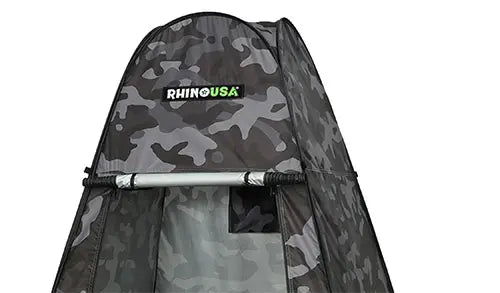
Outdoor pop-up privacy tent: A great addition for those who prefer a makeshift bathroom with some privacy.
Fresh water: Needed for some portable toilets to ensure proper flushing and hygiene.
Sawdust: If using a composting toilet, farms can be a good source for free sawdust.
Female urination devices or supplies for ladies: These can provide privacy and convenience for women.
Supplies for kids: If camping with kids, plan for their bathroom needs and consider extra supplies.
Waste bags and liners: Useful for both human and pet waste.
Transport options: Supplies can be carried in your car or RV. RV toilets are a convenient option for those traveling in RVs.
Planning for Kids and Pets
An adult should be responsible for overseeing bathroom setup and hygiene, especially when camping with kids, to maintain cleanliness and environmental standards. If you’re bringing pets, remember to pack extra waste bags and consider a designated pet bathroom area.
By thoroughly preparing in advance for your camping trip, you’ll be equipped to handle bathroom situations with ease and confidence. Spending a little extra time preparing ensures you can spend your trip comfortably and focus on enjoying the outdoors. Remember, these preparations are important for all types of traveling, including hiking, road trips, and backcountry adventures. Always follow campsite regulations, practice proper hygiene, and leave no trace behind to help preserve the natural environment for everyone to enjoy.
Once you have your supplies and plan in place, it's time to consider the different bathroom methods available while camping.
Bathroom Methods in the Wild
When nature calls in the wild, there are several methods you can use to handle your bathroom needs responsibly and comfortably.
Using Campsite Facilities
When using campsite toilets or outhouses, be respectful and considerate. Locate the facilities by checking your campsite map or asking the site manager. Ensure you close the doors securely to prevent unwanted visitors or odors. Maintain the cleanliness of shared facilities by disposing of waste properly and wiping down surfaces as needed.
Digging a Cat Hole
A cathole is a hole dug in the ground to bury solid human waste while camping. To dig a cat hole while camping, follow these steps:
Choose a location that is at least 200 feet (70 steps) away from any water source, trail, or campground. The cathole should be located in a discreet spot on the ground, away from sensitive environments.
Use a trowel or a sturdy stick to dig a hole about 4 inches wide and 6 to 8 inches deep in the ground.
Do your business in the hole.
Cover your waste and the hole with the excavated soil, then pack it down gently with your foot to prevent wildlife from uncovering it. Cover and disguise the hole with original soil and natural materials like leaves or sticks.
Always use a cathole for solid waste disposal when camping in the wilderness, especially when hiking or in the middle of a trip where facilities are not available.
Pack out used toilet paper, wipes, and feminine hygiene products in a sealed, opaque plastic bag.
If toilet paper is unavailable, natural alternatives like smooth stones, leaves, or snow can be used in an emergency.
In sensitive or high-elevation areas, use WAG bags for solid waste instead of burying it.
A wag bag is a bag designed for sealing and carrying out human waste.
Portable Toilet Options
Those camping in areas without facilities might consider portable toilets and biodegradable bags. There are several types of portable toilets, such as bucket-style toilets, foldable models, outdoor toilets, and porta pottys. Outdoor toilets and porta pottys offer features like portability, removable tanks, and easy maintenance, making them convenient for camping, hiking, or emergencies.
When using a portable toilet, follow these steps:
Set up the toilet in a private, designated area, keeping the recommended 200 feet distance from water sources, trails, and campsites.
Place a biodegradable bag or liner in the toilet container to collect waste.
After use, seal the bag securely and dispose of it in a designated trash bin or as prescribed by local guidelines or regulations.
Alternatively, you can use a wag bag for waste management. The basic process involves opening the outer pouch, using the inner liner bag to catch waste, and sealing it for disposal. WAG bags are puncture-resistant and include a liner bag to contain both solid waste and urine, ensuring sanitation and odor control. This process is especially important when hiking in remote areas or in the middle of a trip where traditional facilities are not available.
For urination, find a secluded spot away from trails and campsites, ideally 200 feet from water sources. Always urinate on rocks or pine needles rather than plants to avoid damage from salt in urine.
By employing these bathroom methods in the wild, you can maintain cleanliness and protect the environment while enjoying your camping experience.
As you explore these methods, you may want to create a more comfortable and private setup for your outdoor bathroom needs. The next section will guide you through creating a makeshift outdoor bathroom.
Creating a Makeshift Outdoor Bathroom: The Cat Hole Method
When camping, it’s important to have a comfortable and private place to use the bathroom. One popular solution is to use an outdoor pop-up privacy tent. These tents offer several benefits, such as privacy, comfort, and ease of setup.
Setting Up a Privacy Tent
To set up the tent:
Choose a spot: Find a suitable location away from your camping area, preferably at least 200 feet from water sources to minimize contamination.
Setup: Follow the manufacturer’s instructions for setting up the tent. Ensure it is secure and provides enough space for your needs.
Ventilation: Keep the tent well-ventilated by opening the windows or vents provided, especially if you’re using a portable toilet inside.
Cleanliness: Clean the area regularly, dispose of waste appropriately, and use eco-friendly cleaning products to minimize environmental impact.
Makeshift Solutions
If a pop-up privacy tent is not available, you can still create a makeshift outdoor bathroom using tarps or other materials. Here are some suggestions for creating seclusion and maintaining privacy:
Use tarps: Hang tarps or other large pieces of fabric between trees or poles to create walls. Secure them with ropes, bungee cords, or stakes. When camping in inclement weather, it is advisable to hang a tarp over your designated bathroom space for extra protection. Carrying extra tarps, ropes, or privacy screens can help set up a comfortable bathroom area.
Natural barriers: Consider using natural features, such as bushes or rocks, as part of your makeshift bathroom area.
Plan for waste disposal: Be prepared to collect and dispose of your waste properly. This could involve digging a cathole, using a portable toilet, or utilizing a wag bag system.
Hygiene: Always have hand sanitizer or soap and water available for hand washing. Pack out used toilet paper and personal hygiene products in airtight bags.
By following these tips, you can create a comfortable and private makeshift outdoor bathroom while camping. Remember to respect the environment, practice good hygiene, and leave the area clean for future campers.
Once you have your bathroom setup ready, it's important to focus on maintaining hygiene to ensure a healthy and pleasant camping experience.
Maintaining Hygiene
Maintaining personal hygiene while camping is crucial. Not only does it impact your comfort, but it also has significant effects on the environment and fellow campers.
Personal Hygiene Practices
Hand washing is essential to prevent the spread of germs and bacteria. Make sure to wash your hands frequently with biodegradable soap and water, especially after using the bathroom, before handling food, and after touching shared surfaces. If water and soap are not available, hand sanitizer with at least 60% alcohol content is an effective alternative.
In addition to hand hygiene, consider using biodegradable wet wipes for cleaning your body. They can be used to freshen up your face, underarms, and other areas needing attention. Make sure the wet wipes are specifically designed for camping, as they are more likely to be eco-friendly.
Environmental Considerations
Adhering to the Leave No Trace principle is crucial when camping to minimize your impact on the environment. The proper disposal of waste and toilet paper is vital to help protect nature and wildlife from contamination.
Here are some guidelines to reduce your environmental impact:
Dig a cathole that's at least 6-8 inches deep and 200 feet away from water sources, trails, and campsites for human waste and toilet paper disposal.
Pack out soiled wet wipes or feminine hygiene products in a sealed plastic bag, as they do not decompose quickly.
Use biodegradable soap when washing your hands, clothes, or body.
Understanding the environmental consequences of improper waste disposal will help you make informed decisions about your actions while camping. Adopting these practices will support a cleaner, healthier environment for everyone to enjoy.
With good hygiene habits in place, the next step is to learn how to properly pack out waste, especially in sensitive environments.
Packing Out Waste
Packing out waste is a crucial part of responsible camping, especially in sensitive environments or areas where digging a cat hole isn’t allowed. During your outdoor adventures, you may encounter places where the only way to properly dispose of human waste is to pack it out. This means collecting your waste in specially designed bags—like wag bags—that are leak-proof, odor-resistant, and easy to carry.
To get started, always bring enough wag bags or similar products for the length of your trip. These bags are designed to safely store human waste and toilet paper until you reach a facility where you can dispose of them properly. Many campers pair wag bags with a portable camping toilet or a simple bucket system for added comfort and convenience. Some portable toilets come with a waste holding tank, making it even easier to store and transport waste securely.
When packing out waste, use biodegradable toilet paper and seal everything in airtight, puncture-resistant bags to prevent leaks and odors. Store used bags in a designated container away from your food and gear. After handling waste, always wash your hands thoroughly or use hand sanitizer to maintain good hygiene.
By packing out your waste, you help protect the environment, prevent the spread of disease, and ensure that campsites remain clean and welcoming for future campers. It’s a simple solution that makes a big difference on your next adventure.
After learning how to pack out waste, it's important to keep your portable toilet clean and functional for ongoing use.
Portable Toilet Maintenance
Keeping your portable camping toilet in top condition is essential for a comfortable and hygienic camping bathroom experience. Regular maintenance ensures your portable toilet remains a convenient solution throughout your outdoor adventures.
Start by emptying the waste holding tank or waste tank frequently—ideally after each use or at least daily, depending on the size and number of campers. Always use designated dump stations or follow local guidelines for proper disposal. After emptying, rinse the tank with clean water and add a scoop of poo powder or the recommended deodorizing solution to help control odors and break down waste.
Clean the toilet seat, bowl, and folding lid with eco-friendly cleaning products after each use. Check for any signs of damage or wear, especially on moving parts like the folding lid or flush mechanism. For flushable portable toilets, use the correct amount of water and cleaning gel to prevent clogs and keep everything running smoothly.
Store your portable toilet in a well-ventilated area when not in use to prevent bacteria and odor buildup. By following these simple tips, campers can ensure their portable toilets remain a reliable and hygienic solution for every camping trip.
With your portable toilet maintained, don't forget to plan for your pets' bathroom needs as well.
Pets and Bathroom Use
Bringing your pets along on your camping adventure adds fun and companionship, but it also means planning for their bathroom needs. Just like with human waste, it’s important to properly dispose of pet waste to protect the environment and keep campsites clean.
Always pack plenty of biodegradable bags to pick up after your pets. For added convenience, set up a designated pet bathroom area near your campsite, away from water sources and trails. A portable toilet or a small covered bucket can be used for pet waste, making it easy to collect and transport until you can dispose of it properly.
If you’re using a privacy tent for your own bathroom needs, consider setting up a similar space for your pet, especially for female campers who may want extra privacy when taking care of business. Bring a hand trowel for burying waste if allowed, and always wash your hands or use hand sanitizer after handling pet waste to maintain good hygiene.
By packing out or properly disposing of pet waste, you help preserve the environment and ensure a pleasant camping experience for everyone—humans and animals alike.
Now that you know how to handle waste for both people and pets, let's review some essential camping etiquette.
Camping Etiquette
Practicing good camping etiquette is key to creating a positive experience for yourself and fellow campers. Start by always properly disposing of human waste—use a portable toilet, wag bag, or designated bathroom area, and never leave waste or toilet paper behind. Keep your campsite tidy by storing trash and waste in sealed containers and taking everything with you when you leave.
Be mindful of other campers’ space and amenities. Set up your camping bathroom or portable toilet in a discreet location that doesn’t intrude on others’ privacy or enjoyment of the outdoors. Respect quiet hours, especially in the evening, and keep noise to a minimum.
If you’re camping with pets, keep them under control and clean up after them promptly. Share tips and discoveries with fellow campers, and always follow Leave No Trace principles to protect the environment.
By following these simple etiquette tips, you’ll help maintain a clean, respectful, and enjoyable atmosphere at every campsite—making outdoor adventures better for everyone.
With etiquette in mind, let's explore some additional tips and tricks to enhance your camping bathroom experience.
Tips and Tricks for a Better Experience
Enhancing Comfort and Privacy
When using the bathroom while camping, setting up a comfortable bathroom area is essential for a pleasant experience. Consider these tips:
Use an outdoor pop-up privacy tent, which can easily be set up and taken down as needed. This provides a private and convenient space for you to use the bathroom.
Choose less crowded times and locations for bathroom breaks to increase privacy and comfort.
For ladies, female urination devices can make outdoor bathroom trips much easier and more hygienic. These devices allow women to urinate while standing, which is especially helpful during camping and hiking. The GoGirl Female Urination Device is a reusable, travel-sized option designed for convenience, helping to direct urine away from the body and making the process more comfortable and discreet.
Safety Tips
Being aware of and cautious about wildlife in the area is paramount to your safety during bathroom breaks while camping. Some animals are attracted to human waste, so be vigilant about the surroundings before settling in for a bathroom break. Moreover, employing a buddy system for nighttime bathroom trips can ensure safety and ease of navigation, especially in unfamiliar territory.
Adapting to Various Environments
Camping terrains can vary, from deserts to forests to mountains. Adapting your bathroom habits to the specific environment can make the experience more comfortable and hygienic.
Deserts: In dry, sandy areas, you might consider using wag bags or portable toilets. These devices allow you to capture and seal away waste, preventing contamination of the delicate ecosystem. The GASKY 5.3 Gallon Portable RV Toilet is a leak-proof option for camping, car trips, and traveling, and is also suitable for use in RVs. This RV toilet offers the comfort and convenience of traditional RV toilets, making it ideal for outdoor adventures. The Troxlin Portable Camping Toilet is another outdoor toilet model that includes a waterproof bag and trash bags for easy disposal, simplifying the process of managing waste while on the ground or when carrying your toilet to a new location. Many portable camping toilet models are designed to be easy to transport and set up, often requiring no assembly, which is perfect for traveling, hiking, or when you need a quick solution. Some models feature waste level indicators and easy dump systems for added convenience, and certain outdoor toilets are designed to be used with biodegradable bags that can be disposed of in standard trash cans.
Forests: In wooded environments, the “cat hole” technique is commonly used. Dig a hole about 6-8 inches deep, do your business, and then cover it properly with soil. This method helps to minimize your impact on the environment.
Mountains: When camping in mountainous regions, be aware of the risks associated with disposing of waste near water sources. Make sure to dispose of your waste at least 200 feet away from any water source to prevent contamination.
By following these tips, you can ensure a safe, comfortable, and environmentally friendly bathroom experience while camping.
With these tips and tricks, you're ready to confidently handle any bathroom situation while camping.
Conclusion
In this article, we've discussed the importance of preparation, various methods for using the bathroom, maintaining good hygiene, and finding comfort solutions while camping. By following these guidelines, you'll be well-equipped to handle your bathroom needs in the great outdoors.
Remember that with the right preparation, using the bathroom while camping can be a straightforward and stress-free experience. Whether you're utilizing a pre-dug cathole, a portable toilet, or a wag bag, choose a method that works best for your situation and comfort level. Don't forget to prioritize hygiene by packing essentials like toilet paper, hand sanitizer, and odor-proof bags.
Now that you're knowledgeable about this topic, feel free to share your own tips and experiences in the comments section to help fellow campers. Happy camping!
- Choosing a selection results in a full page refresh.