





Jeep Wrangler Easter Eggs: Uncovering Hidden Gems
Jeep Wrangler owners often share a unique bond with their vehicles, and part of that connection comes from discovering the numerous ‘Easter eggs’ hidden throughout the car by its designers. These small, whimsical design elements serve as a nod to the adventurous spirit embodied by the Jeep brand. All the easter eggs are hidden features and surprises waiting to be discovered by Jeep owners, making each vehicle a treasure hunt of collectible details. They are unique design quirks that add an element of surprise and delight, reinforcing the brand’s identity and the vehicle’s iconic status in the automotive world.
This guide is for Jeep owners, enthusiasts, and anyone curious about the hidden details that make Jeep vehicles unique. Finding these Easter eggs enhances the ownership experience and connects you to the Jeep community.
Jeep Easter eggs are subtle design features embedded in various parts of the vehicle. Jeep Wrangler hidden Easter eggs are small, clever design nods that pay homage to the brand’s rugged heritage and off-road capability.

Since the introduction of the first Jeep Wrangler, these Easter eggs have been carefully placed in various parts of the vehicle, ranging from the exterior to the tucked-away corners of the interior. They can manifest as small animal motifs, topographic maps, or classic Jeep grille silhouettes, among other things. Each one is a subtle homage to the rich history and off-road capability of the Jeep, intended to be found over time, bringing a sense of joy and personal discovery to the driving experience. Jeep's approach to Easter eggs stands out in the automotive industry, often including insider jokes, Morse code, and factory-specific details that reference the manufacturing process.
These hidden gems are not only a treat for the vehicle’s owner but have also grown into a noteworthy topic among enthusiasts and the automotive community. They spark conversations, create a shared sense of camaraderie among Jeep owners, and have elevated the Wrangler’s status beyond just a vehicle, transforming it into an experience filled with heritage and personality. These Easter eggs pay tribute to the brand's heritage, honoring Jeep's roots in adventure, military history, and iconic design.
Most Jeep Easter eggs fall under one of three categories: historical homage, the great outdoors, and fourth-wall-breaking references to the Jeep manufacturing process.
The Origin of Jeep Wrangler Easter Eggs

Jeep Wrangler’s tradition of embedding Easter eggs into their vehicles began in 1997 with the TJ-generation Jeep Wrangler, marking the jeep brand start of this playful practice. The first Easter egg was a seven-bar grille design hidden on the hood cowling of the 1997 Jeep Wrangler. This subtle addition, representing Jeep’s iconic grille design, went unnoticed initially but soon became a beloved treasure hunt for owners.
The Purpose: These hidden gems were not merely for aesthetic appeal but to pay homage to Jeep’s rich history. The Easter eggs encapsulate Jeep’s adventurous spirit and foster a sense of community among enthusiasts.
Design Evolution:
Initial Designs: Simple symbols representing various aspects of the Jeep heritage, often referencing the original Willys Jeep used during World War II—a light reconnaissance vehicle developed for the military, with Ford also playing a role in its production.
Later Additions: Evolved to include more intricate designs and nods to Jeep’s military origins.
The practice of including Easter eggs has expanded to multiple model years since its inception.
Jeep designers have since been regularly incorporating these subtle cues across various parts of the vehicle, including the headlights, windshield, and rear hatch.
In essence, Jeep Wrangler Easter eggs are a creative expression of the brand’s legacy, an invitation to explore, and a reflection of the unique bond that Jeep shares with its community.
These hidden elements began appearing in the late 1990s, with the first known Easter egg being a seven-slot grille design on the cowl of the 1997 Jeep Wrangler TJ.
Exterior Easter Eggs

Jeep Wrangler Easter eggs are a fun and unique part of the brand’s identity, but they’re not limited to just the Wrangler. Jeep Easter eggs are found across various Jeep models, including the Jeep Gladiator, Jeep Grand Cherokee, and Jeep Compass, and new Jeep vehicles continue this tradition. These hidden design details pay homage to Jeep’s heritage and add a playful element to the ownership experience.
Easter eggs are waiting to be discovered in locations such as:
Windshield
Hood
Headlights
Under the windshield wipers
Under the gas filler door
Under the seats
On the dashboard
The number of Easter eggs varies from model to model, with some models having up to 30 Easter eggs. Take a test drive of new Jeep vehicles to experience the hunt for these hidden gems firsthand.
Grille Silhouette
Jeep Wranglers feature a distinctive seven-slot grille silhouette and seven slot grille design outlined in various parts of the vehicle. This iconic design can be found:
In the rim of each wheel
Molded into the headlight units
The seven-bar grille design is commonly found on the hood cowling of Jeep vehicles, and the first Easter egg was a seven-bar grille design hidden on the hood cowling of the 1997 Jeep Wrangler.
Each representation of the grille pays homage to the brand’s storied history.
Windshield Icons
On the windshield’s lower corner, drivers may find small icons or motifs. Examples include:
A pair of flip-flops (The Jeep Gladiator, for example, has flip-flops etched into the cowling between the windshield wipers.)
A small spider
A silhouette of a Jeep climbing a hill (Jeep Grand Cherokee)
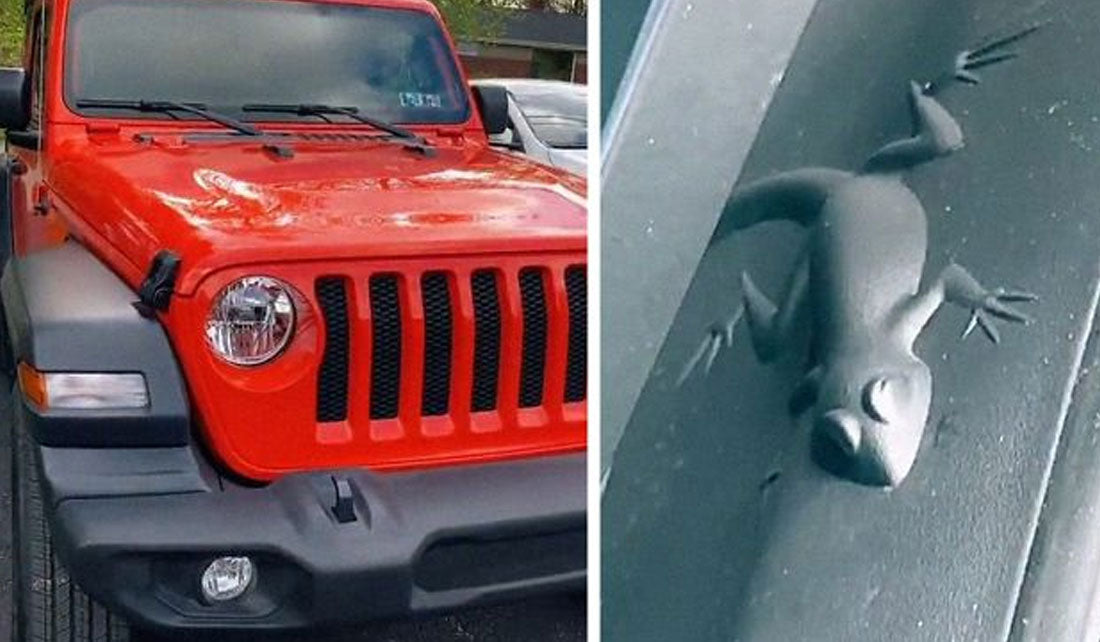
A three-dimensional gecko under the windshield wipers (Jeep Compass)
A silhouette of the Loch Ness Monster on the rear windshield (Jeep Compass)
A spider saying 'Ciao, Baby!' under the gas filler door (Jeep Renegade)
Mythical creatures, such as Bigfoot and T-Rex skulls, found on factory all-weather floor mats
Interior Easter Eggs

Jeep designers have hidden a variety of clever Easter eggs throughout the Wrangler’s interior. One notable location is the dead pedal, where you might find Morse code referencing terrain types like sand, snow, rivers, and rocks—highlighting the vehicle’s off-road capabilities and Trail Rated certification. The use of Morse code in these hidden messages pays tribute to Jeep’s military heritage and rugged history.
Dead Pedal Morse Code
Morse code referencing terrain types like sand, snow, rivers, and rocks can be found on the dead pedal, emphasizing Jeep’s off-road capabilities and Trail Rated certification.
Moab Coordinates
Look closely at the gear shifter or dashboard and you may spot Moab coordinates or a topographical map, connecting the Wrangler to famous off-road trails in Utah.
Some Jeep Cherokee models hide coordinates to the Rubicon trail under the passenger seat, further emphasizing the brand’s adventurous spirit.
Animal Motifs
Animal motifs, like the iconic Jeep grille with round headlights or hidden lizards and spiders, add a playful touch to the interior.
Other interior features include the 'No Step' moniker etched on the side rails, imitating aircraft markings to emphasize durable utility and Jeep’s military-inspired design. Gas cans, a key detail found on various Jeep vehicle parts such as taillights and other interior/exterior accents, serve as a nod to Jeep’s wartime history.
Gear Shifter Graphics
The gear shifter in various Jeep Wrangler models often features distinctive graphics. For instance, some editions may include an embossed or painted symbol of a Willys Jeep, representing the brand's historic military roots. This icon speaks volumes of Jeep's heritage, subtly embedded into the driver's daily interaction with the vehicle.
Infotainment Easter Eggs
The infotainment system of the Jeep Wrangler conceals playful graphics that appear on the screen at different moments. For example:
Start-up Screen: An illustration of a classic Willys Jeep may play for drivers upon ignition.
Off-Road Pages: Icons and backgrounds might showcase topographical maps or Jeep grille silhouettes, enhancing the adventurous spirit of the vehicle.
These digital details reinforce the Wrangler's rugged identity while providing an engaging user experience.
Hidden Codes and Badges

Location Icons: Some Jeep Wranglers have a small gecko or a silhouette of a classic Willys Jeep imprinted in a corner of the windshield, symbolizing the brand’s history or the vehicle’s off-road capabilities. Many Jeep models also have 'Since 1941' displayed on the dashboard or instrument cluster, paying tribute to the brand's origins.
Cowl Badges: The sides of the hood sometimes present badges with numbers and letters, such as “419”, indicating Toledo, Ohio’s area code, where Wranglers are manufactured.
Wheel Designs: Certain models host a small icon depicting the iconic seven-slot grille on the rim of the wheels. The seven-slot grille design is a common motif found in many Jeep Easter eggs.
Fuel Filler Cap: A spider saying “Ciao Baby!“ might greet drivers when they open the fuel cap.
A silhouette of the Willys Jeep can often be seen climbing the edge of the windshield on Jeep Wranglers. Many Easter eggs pay tribute to the wild world Jeep vehicles are built to conquer, as well as the brand’s rich heritage.
Jeep owners often share their finds on social media, making the discovery of these Easter eggs a treasured and shared experience for the community. They not only embody the spirit of the brand but also encourage a closer inspection of the vehicle, ensuring that the adventure begins even before the engine starts.
The Hunt for Easter Eggs
The hunt for Easter eggs is an exciting adventure that awaits every Jeep owner and enthusiast. With a rich history of embedding hidden symbols and designs, Jeep vehicles have become a treasure trove of surprises. From the iconic seven-slot grille pattern to the subtle Willys Jeep silhouette, every Easter egg tells a story of the brand’s heritage and adventurous spirit.
Where to Look
Common locations for Jeep Easter eggs include:
Headlights
Taillights
Hood
Rearview mirror housing
Floor mats
Gear shifter
Dashboard
Under the seats
Under the windshield wipers
Under the gas filler door
Model-Specific Surprises
Each Jeep model has its own set of hidden elements. For example:
The Jeep Renegade boasts over 30 unique Easter eggs, including a Bigfoot image on the rear windshield and a “Since 1941” inscription on the dashboard.
The Jeep Wrangler features a flip-flop design etched on the hood cowling, a nod to the carefree lifestyle of its owners.
The Jeep Compass has a three-dimensional gecko under the windshield wipers and the Loch Ness Monster swimming on the rear windshield.
The Grand Cherokee features a map of the Rubicon Trail on its floor mats.
Sharing Discoveries
Jeep designers have carefully crafted these hidden gems to pay homage to the company’s roots and to create a sense of community among owners. As you embark on the hunt for Easter eggs, you’ll discover that sharing your findings with fellow Jeep enthusiasts is part of the fun and camaraderie.
To start your hunt, look for hidden symbols and designs in the most unlikely places. As you search, remember that the hunt is just as important as the discovery, and the sense of community that comes with sharing your findings with fellow Jeep enthusiasts.
With every new Jeep vehicle, the tradition of hiding Easter eggs continues. The latest models feature advanced technology and innovative designs, but the spirit of adventure and fun remains at the heart of every Jeep. So, join the hunt and experience the thrill of discovering hidden gems in your Jeep vehicle. Whether you’re a seasoned owner or a new enthusiast, the world of Jeep Easter eggs awaits, full of surprises and delights that will leave you eager for more.
As you explore the world of Jeep Easter eggs, you’ll find that each one is a testament to the brand’s commitment to innovation, quality, and community. From the original Willys Jeep to the latest models, every vehicle has a story to tell, and every Easter egg is a reminder of the brand’s rich history and heritage. So, start your hunt today and discover the hidden symbols and designs that make Jeep vehicles truly unique. With every discovery, you’ll become a part of the Jeep community, connected by a shared passion for adventure, fun, and the thrill of the hunt.
- Choosing a selection results in a full page refresh.