

Rhino USA's Motorcycle Road Trip Planner
The safe, smart and best approach to bring your motorcycle along for the ride.
Are you thinking about taking a trip with your motorcycle, but don’t know where to start? This article is for you! Keep reading to learn more about the essentials of taking your motorcycle along for the ride, with some amazing tips, suggestions and know how.

Proper clothing.
If you are an avid motorcycle adventurer, you might already be aware of the fact that riding a motorcycle means to freeze yourself off!
Don’t skimp on clothing if you are planning on going on a road trip with your bike. Exposing your body to consistent strong wind and cold temperature can pave the way to a host of health issues, ranging from common cold and sore throats, down to bronchitis, fever, and other more debilitating illnesses. In addition to that, lack of proper thermal insulation for your body might also lead to arthritis, chronic pain, and other problems. So, what should you wear? Start by picking the right gloves. Something with a great grip, without compromising in terms of comfort and insulation.
Cooling neck wraps or even dampening a bandana are also absolutely great for riding, especially if you are expecting extreme heat.
Bluetooth headsets are also essential gear for motorcycle road trips, allowing you to enjoy music, navigation, and intercom with your friends during the ride.

Proper footwear.
The right shoes are just as important as the right clothes to wear. Riding boots are a must, but you can also consider rain gaiters if you expect to encounter bad weather on your way. When packing, place the heaviest items low and toward the center of the motorcycle for better balance and handling.

Eyewear
This is perhaps one of the single most important items you should carry with you on your motorcycle road trip. When you’re riding against the wind, keeping your eyes open without protection can be difficult. The wind can irritate and cause fatigue, and there are other potential issues as well. For instance, your eyes can have an unfortunate close encounter with a bug or other debris! Eyewear can protect your eyes, enhance your sight (particularly if you use sunglasses or dedicated motorcycle goggles) and help you fight fatigue and strain while focusing on the road. A comfortable and supportive seat can also greatly enhance your riding experience on a long motorcycle road trip.

Nets and bungee cords.
There is nothing worse than gear and items falling off while you’re riding. In order to prevent that, make sure that you secure your gear, backpack or luggage with dedicated nets or bungee cords. These simple, yet trustworthy tools can keep your things safe and stuck to your bike, so you don’t have to worry about them flying off!

Papers and documents.
When traveling on your motorbike, don’t forget all the documents you might need. A form of ID, as well as insurance documents and other info, should always be stored in a secure place, where they can’t be damaged due to weathering or other factors. To maintain your freedom and flexibility, consider planning your accommodation last-minute instead of booking everything in advance.
Reflective gear and flashlights.
Reflective gear can be a godsend. For instance, using a reflective vest can be an amazing way to enhance your safety while riding at night or in situations where the visibility is less than optimal. In addition to that, you can also consider hazard light, in case you need to make an unexpected stop. Flashlights can also come in handy, and in some cases, they can save your life. Many motorcyclists can say that a simple flashlight helped them get out of a potentially tough situation. If you end off the road in a dark, isolated environment, a flashlight can be a great way to signal your position and call for help.
For weather protection, use waterproof bags for your gear and pack a dedicated one-piece rain suit or waterproof throw-overs.

Survival Life is giving away this AWESOME Flash Light for free.
Plenty of water.
When riding for several hours on end, it is quite easy to forget to stay hydrated. However, drinking plenty of water is very important. Thankfully, there are many smart bottles and other easy solutions and rigs that allow riders to bring plenty of water along for the ride without making compromises in terms of space. People might often shrug off the importance of bringing a bottle of water because they don’t want to carry another cumbersome item. However, this is something you shouldn’t overlook. It is quite natural to feel thirsty when riding under the scorching sun, but you can get just as dehydrated during winter.
A helpful tip: use Ziploc bags to organize your items by day or type for easier access during your trip.

Ratchet Straps
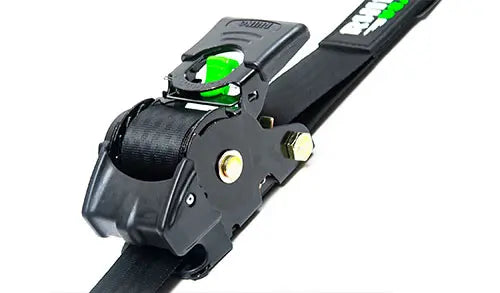
What if you break down? Ratchet straps are really good to have handy, in case something happens. This way, you’ll avoid being stranded in the middle of nowhere, and if you’ve been there, you know that it is not a good place to be!
Ratchet straps are absolutely essential to transport your motorcycle securely, when it is attached to another vehicle, such as a truck.
After packing your ratchet straps, consider carrying a compact air compressor or inflator as part of your motorcycle repair kit for emergencies.

Earplugs
The roar of the engine, as well as the constant push of the wind against your face, can actually put quite a strain on your hearing. Many avid motorcyclists actually experienced mild to severe hearing loss through the years, partly due to the fact that they neglected to wear proper ear protection, such as earplugs.

Itinerary / GPS
Most of us use our mobile devices for navigation, but when all else fails, you can seamlessly print out your road itinerary or use another dedicated GPS device instead. It might sound like an old-school thing to do, but you wouldn’t believe how many times a “plan B” might come in handy! Always carry a physical paper map as a backup in case your digital navigation fails.

Helmet
Last, but decidedly not least, don’t forget your helmet. Besides the fact that riding without one is probably illegal in your area, helmets provide excellent protection against impact and concussions. In particular, full-face helmets are particularly perfect for extensive riding, as they also offer another great layer of weather protection.
Check out Revzilla’s collection of cool helmets.
In conclusion, these are only some of the many useful things that you should never forget while planning a motorcycle road trip. It’s important to understand that safety and comfort should always come first.

Tire pressure gauge
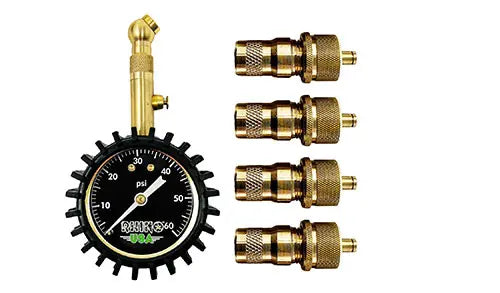
It’s very important to check your tires before you take off. In addition to that, it’s always a good idea to keep a tire pressure gauge handy and check your tires periodically throughout the trip. You never know how your ride can react to many miles on the road, weathering, and more.
Motorcycle road trips can be amazing but challenging, so proper planning is essential for safety and enjoyment. Have a realistic idea of how many miles you can comfortably ride in a day—200–300 miles is recommended—to avoid fatigue and make the most of your journey.
When you plan rides, always consider the fuel range of your bike, especially in remote areas, and plan your gas stops in advance to avoid running out of fuel. Carry extra fuel for long stretches where gas stations may be scarce.
Use specialized apps with 'twistiness' algorithms, like REVER or Calimoto, to select scenic, winding routes for a more enjoyable ride. Calimoto also allows you to track your entire trip on a map and visualize the path you’ve taken.
Gather information and inspiration for your motorcycle road trip by using forums, social media, and AI tools like ChatGPT. These resources can help you discover new routes, tips, and connect with the riding community.
Research your destination thoroughly to uncover landmarks and attractions to include in your route. Speaking to locals can provide valuable insights and recommendations for the best roads and must-see spots in the area.
Be flexible with your plans—sometimes the best adventures happen when you head off your original route. Both planned and unplanned trips offer unique experiences; too much planning can cause you to miss out on enjoying the moment, while spontaneity can lead to unexpected discoveries along the way.
The social aspect of motorcycle trips is important—consider leading a group ride with friends, establish agreed-upon rendezvous points, and engage with the motorcycle community to share playlists and experiences. Involving the community can enhance your journey and help you discover new music and routes.
This article serves as your ultimate guide and features a complete resource for motorcycle road trip planning, covering everything from gear and safety to route selection and group riding tips.
Some of the world’s most popular scenic routes for motorcycle trips include the Pacific Coast Highway, Blue Ridge Parkway, Beartooth Highway, Wild Atlantic Way, Ho Chi Minh Trail, Great Ocean Road, Transfagarasan Highway, Amalfi Coast, and America’s national parks. Each of these has a memorable stretch or bit that makes it a great place for riders. For example, the stretch above the Apollo Coastal Nature Reserve on the Great Ocean Road is a must-ride bit for any motorcycle enthusiast.
Harley Davidson is a legendary name in the motorcycle community, and the H-D app offers maps, turn-by-turn directions, and points of interest to help you plan your route and connect with other riders.
Take advantage of features like Roadtrippers Autopilot™ and Furkot.com to help plan your itinerary, find real gas stations, hotels, and add points of interest along your route.
When planning your route from point A to B, use apps to track your progress and explore interesting locations along the way. If you need to change direction, don’t hesitate to head in a new direction for a more spontaneous adventure.
For longer journeys, consider a motorcycle tour to experience extended adventures and explore more destinations.
The Ho Chi Minh Trail, for example, is a historic route in Vietnam that was used for military purposes in the past and now offers riders a collection of scenic trails and roads through beautiful landscapes.
For a complete and fulfilling motorcycle road trip, remember to plan thoroughly, pack smart, and stay open to new experiences along every bit and stretch of the journey.
We hope this article was helpful and informative, if you have any questions or things you’d like us to add, always feel free to reach out! Thank you for stopping by our website and have a great day!
Motorcycle Trip Planning
Planning a motorcycle trip is where the adventure truly begins. Whether you’re dreaming of winding through mountain passes or cruising along the coast, a well-thought-out plan can turn your motorcycle road trip into an unforgettable journey. The thrill of exploring new destinations on two wheels is matched only by the freedom of the open road and the fun of discovering incredible roads along the way. Good planning means more than just picking a route—it’s about making sure every ride is safe, comfortable, and full of excitement. From choosing your destination and mapping out your route to preparing your motorcycle and getting ready for any situation, a little preparation goes a long way. So, before you hit the road, take some time to plan your motorcycle trip and get ready to explore the world, one epic road at a time.
Choosing Your Destination
One of the best parts of any motorcycle trip is deciding where to go. With so many amazing places to explore, the possibilities are endless. Start by thinking about what kind of adventure you want—do you crave the challenge of twisty mountain roads, the beauty of scenic byways, or the excitement of discovering new cities? Use Google Maps to research potential destinations, check out the best routes, and get a sense of the distance and weather conditions you might encounter. Don’t forget to connect with other riders for tips on hidden gems and must-see stops—they’re often the best source for real-world advice. Consider the time of year and weather, as well as the road quality, to make sure your chosen destination is perfect for your motorcycle. Whether you’re planning a quick weekend getaway or a cross-country tour, picking the right destination sets the tone for your entire trip and ensures every mile is packed with adventure.
Route Planning
Once you’ve chosen your destination, it’s time to dive into route planning. The best motorcycle trips are built on great routes—those stretches of road that make every mile a joy to ride. Use a motorcycle trip planner or app to map out your journey, taking advantage of features like turn by turn directions and suggested stops. Tools like Furkot, Roadtrippers, and Harley-Davidson’s Ride Planner make it easy to create a custom itinerary, see how many miles you’ll cover each day, and discover the best roads along the way. Don’t forget to use Street View to preview road conditions and scenery before you go. As you plan, consider factors like traffic, weather conditions, and possible road closures. Decide how far you want to ride each day and build in time for breaks, gas stops, and spontaneous detours. With a solid route in place, you can focus on the fun of the ride and the thrill of exploring new places on your motorcycle.
Preparing Your Motorcycle
Before you set out on your motorcycle road trip, make sure your bike is ready for the adventure. Start with a thorough check of your motorcycle—inspect the oil, tires, brakes, and lights, and take care of any needed maintenance. Pack essential tools and spare parts, such as a tire repair kit, spark plugs, and zip ties, so you’re prepared for any minor repairs on the road. Invest in quality saddle bags or a tank bag to carry your gear, and don’t forget a comfortable seat for those long stretches. Be ready for changing weather by packing rain gear and a sleeping bag if you plan to camp. The right gear can make all the difference, keeping you dry, warm, and comfortable no matter what the weather throws your way. By preparing your motorcycle and packing smart, you’ll be able to hit the road with confidence and enjoy every moment of your journey.
Safety and Emergencies
Safety is the foundation of every great motorcycle trip. Always wear protective gear, including a helmet, gloves, and sturdy boots, to protect yourself on the road. Consider taking a motorcycle safety course to sharpen your skills and learn how to handle unexpected situations. Plan for emergencies by carrying spare parts, a basic toolkit, and knowing how to perform simple repairs. It’s also wise to have a roadside assistance plan in place, so you’re never stranded far from help. Stay hydrated, take regular breaks, and get plenty of rest to keep your focus sharp and your ride enjoyable. By making safety a priority and being prepared for the unexpected, you’ll be able to relax and make the most of your motorcycle adventure, knowing you’re ready for whatever the road brings.
- Choosing a selection results in a full page refresh.