


Synthetic vs Steel Winch Cable: Showing You the Ropes
If you're comparing synthetic winch rope vs steel cable for your winching needs, this guide will help you understand the key differences. Whether you’re an off-road enthusiast, a vehicle owner, or anyone considering a winch upgrade, understanding the differences between synthetic winch rope and steel cable is crucial for making informed decisions about safety, performance, and maintenance. Choosing the right winch line can impact not only your recovery success but also your safety and the longevity of your equipment.
Steel cable, also known as wire rope, is the traditional industry standard for winching applications. It is valued for its durability and resistance in demanding recovery situations where abrasion resistance and sheer strength are crucial. Synthetic ropes are often made from high-modulus polyethylene (HMPE) fibers, offering a lightweight and flexible alternative. These ropes have become increasingly popular due to their safety and ease of handling, especially for those prioritizing lightweight gear and reduced risk during winching operations.
Below is a summary comparison table to help you quickly see the main differences between synthetic winch rope and steel cable:
Synthetic Winch Rope vs Steel Cable: Quick Comparison Table
|
Feature/Property |
Synthetic Winch Rope (HMPE) |
Steel Cable (Wire Rope) |
|---|---|---|
|
Weight |
Significantly lighter; easier to handle; better for vehicles sensitive to weight |
Up to 4x heavier than synthetic; can affect handling |
|
Strength |
Higher breaking strength for same diameter |
Strong, but lower breaking strength for same diameter |
|
Safety |
Safer if it breaks (stores less energy, less recoil); does not slice hands if frayed |
Dangerous recoil if snapped; can develop sharp burrs |
|
Durability |
Susceptible to abrasion, UV, chemicals, and heat; needs regular inspection |
More durable in harsh terrain; can rust and fray |
|
Maintenance |
Requires regular cleaning and inspection; can be repaired in the field |
Less maintenance; cannot be repaired in the field |
|
Cost |
More expensive upfront ($100–$300) |
More affordable ($30–$100) |
|
Repairability |
Can be repaired/spliced in the field |
Cannot be repaired in the field |
|
Handling |
Flexible, easy to work with, does not splinter |
Stiff, can develop splinters; gloves required |
|
Environmental Impact |
Floats in water; can absorb water and freeze |
Sinks in water; can rust if not maintained |
|
Industry Use |
Increasingly popular; mandatory in many off-road events |
Traditional industry standard |
|
Accessories |
Use with soft shackles and aluminum fairleads |
Use with roller fairleads; winch dampers recommended |
Definitions: What Are Steel Cable and Synthetic Rope?
-
Steel Cable (Wire Rope): The traditional industry standard for winching applications, steel cable is made from strands of steel wire twisted together. It is known for its durability, abrasion resistance, and strength, but is heavier and can rust or develop sharp burrs over time.
-
Synthetic Rope: Typically made from high-modulus polyethylene (HMPE) fibers, synthetic rope is a lightweight, flexible alternative to steel cable. It offers higher breaking strength for the same diameter, is easier to handle, and is safer if it breaks, but requires more maintenance and is susceptible to UV and abrasion damage.
Why Synthetic Cables Are Growing in Popularity
Have you ever struggled with a heavy, unwieldy steel cable? Synthetic cables are the modern solution to this age-old problem. They are significantly lighter compared to their steel counterparts, making them much easier to handle.
When it comes to safety, synthetic cables come out on top. If a cable snaps, a synthetic one is far less likely to whip back, potentially avoiding dangerous accidents. This makes them a safer choice for winching activities. Synthetic rope is now mandatory in most major sanctioned off-road events due to its safety advantages.
In-field repairs are another advantage. With basic tools, you can repair a synthetic cable right on the spot using proper braiding techniques, unlike steel cable, which cannot be repaired in the field.
Synthetic rope is easier to handle and does not slice your hand when it gets frayed, unlike steel cable.
Though synthetic cables require more care in use and storage, their benefits can outweigh this need. Synthetic rope should be properly stored to protect it from UV exposure and abrasive material like sand and dirt, which can enter the rope's core and cause internal damage. Proper maintenance and cleaning are essential to ensure longevity and performance, making them a worthwhile investment. Both steel cables and synthetic ropes require protection from UV exposure to ensure longevity.
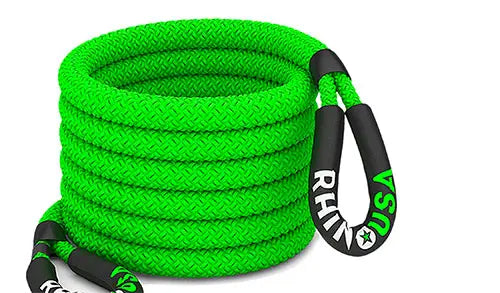
While initially more expensive, many find the cost justified due to the ease of use and enhanced safety features. Rhino USA’s synthetic winch rope is an example of a high-quality option that many off-road enthusiasts trust. Synthetic winch rope generally features a higher breaking strength compared to steel cable of the same diameter.
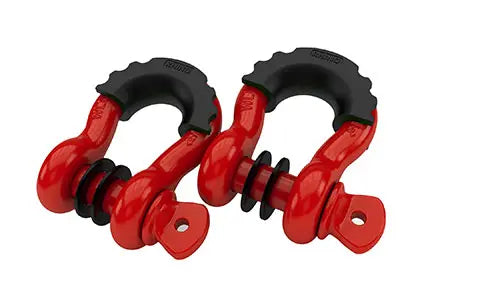
Switching to synthetic ropes helps you make winching operations simpler and safer, offering peace of mind when you need it most. For enhanced safety, it is recommended to use soft shackles with synthetic winch rope instead of metal shackles.
Now that we've explored the benefits of synthetic cables, let's look at the strengths of steel cables for heavy-duty use.
The Strengths of Steel Cables for Heavy-Duty Use
Steel cables, often referred to as steel winch lines or wire rope, are the go-to choice when it comes to heavy-duty applications. Their exceptional strength and durability make them ideal for demanding environments. Steel cable can weigh up to four times as much as synthetic rope, which affects the overall load you handle and can impact winching capacity and ease of use.
Do you often tackle rough trails where synthetic cables might not hold up? Steel cables excel in such rugged terrains, with the ability to withstand abrasions from sharp rocks. For managing cable wear and strain during winching, roller fairleads with rollers are best suited for steel winch lines, ensuring smoother operation and longer cable life.
These cables are also more affordable than their synthetic counterparts. If you’re looking for a budget-friendly option that doesn’t compromise on robustness, steel should be your pick.
In conditions where maintenance might be neglected, steel cables prove their resilience. They are less likely to degrade quickly when exposed to harsh conditions regularly. To protect steel cables from rust and moisture, a light coating of chain oil or WD-40 is recommended.
Despite their strength, be cautious if a steel cable breaks during use. This scenario can be dangerous, with shards of metal and metal splinters potentially causing harm. Steel cable can develop sharp burrs and metal splinters as it wears, so always wear gloves when handling a steel winch line to protect your hands from cuts and injuries.
Steel cables are heavier, which can be a factor if you’re concerned about adding weight to your vehicle. However, this weight is often a small price to pay for their unparalleled reliability.
With a clear understanding of steel cable strengths, let's move on to essential safety and maintenance practices for both types of winch lines.
Safety First: Handling and Maintenance Tips
General Safety Practices
-
Tension Checks: Ensure proper tension during use to avoid snapping.
-
Avoid Overloading: Do not exceed weight limits specific to your winch.
-
Guidelines: Follow the manufacturer's recommendations for both installation and operation.
-
Emergency Protocols: Familiarize yourself with emergency release procedures for your winch setup.
-
Wear Gloves and Eye Protection: Always use gloves (especially with steel cable) and eye protection when handling winch lines.
General Inspection and Handling
-
Inspect Before and After Use: Always check your winch line for fraying, kinks, or other damage.
-
Proper Spooling: Make sure the winch line is spooled on the drum properly to prevent kinks, pinching, or the line becoming loose.
Steel Cable Maintenance
Inspection
-
Regularly inspect for broken wires, flat spots, frayed wires, or rust.
-
Always wear gloves to avoid injuries from sharp strands or burrs.
Cleaning
-
Keep the cable free from dirt and debris.
-
Use a wire brush and mild cleaner for maintenance.
Storage
-
Store in a dry place to prevent rust.
-
Apply a light coating of chain oil or WD-40 to protect from rust and moisture.
Synthetic Rope Maintenance
Inspection
-
Look for signs of fraying, thinning, or UV damage.
-
Check for internal abrasion by feeling along the rope.
Cleaning
-
Rinse synthetic rope with fresh water after exposure to mud, sand, or abrasive material.
-
Use mild soap; avoid harsh chemicals.
-
Periodically spool out and wash to remove dirt and sand from the core.
Storage
-
Store synthetic rope out of direct sunlight and away from chemicals.
-
Use a protective sleeve to guard against abrasion and UV exposure.
-
Use a heat sleeve or heat-resistant material on the portion of the synthetic line that wraps around the drum to protect against heat buildup from the drum brake.
-
Chafe guards can be used to protect synthetic rope from abrasion when dragged over rough or abrasive material surfaces.
By following these safety and maintenance tips, you can maximize the lifespan and performance of your winch line. Next, let's compare the costs and value of each option.
Cost Considerations: Finding the Best Value for Your Needs
Cost Comparison
When considering winch cable options, budget plays a crucial role in your decision. For many, the choice boils down to the initial investment versus long-term value. Steel cables generally have a lower upfront cost, often ranging from $30 to $100, depending on quality and length. This makes them appealing if you’re looking to minimize initial expenses.
Synthetic ropes present a higher upfront commitment, typically costing between $100 and $300. While this may seem substantial, their durability and lower maintenance requirements can make them cost-effective over time. If you prioritize long-term savings and reduced maintenance, synthetic cables could be a strategic choice.
Durability
Steel is robust and performs reliably, but it can be susceptible to rust and requires regular maintenance. In contrast, synthetic ropes offer lightweight handling and safety advantages, with less risk of injury from snapped cables.
Accessories and Value
For the most reliable performance and value over time, consider a combination of a quality winch line—whether steel or synthetic—and essential accessories like pulleys and extension lines. This setup can enhance your winching capabilities and ensure dependable results in various recovery scenarios.
Are you looking for the best balance between cost and performance? Evaluating these factors will help you choose wisely. Brands like Rhino USA excel in delivering premium-quality recovery gear at competitive prices, marrying high performance with excellent value.
With cost and durability in mind, let's examine how each winch line performs in different environmental and weather conditions.
Environmental and Weather Resistance: What to Expect
When considering environmental and weather resistance, synthetic ropes and steel cables offer distinct advantages and limitations. The table below summarizes how each material performs in various conditions:
Environmental and Weather Resistance Comparison Table
|
Condition |
Synthetic Rope (HMPE) |
Steel Cable (Wire Rope) |
|---|---|---|
|
Moisture |
Resistant to rust; can absorb water and freeze |
Prone to rust if not maintained |
|
Heat |
Can weaken with excessive heat |
Stable in heat |
|
Cold |
Durable, but water inside can freeze |
Can become brittle in extreme cold |
|
UV Light |
Degradable; needs protection |
Needs protection for longevity |
|
Water Use |
Floats |
Sinks |
Considering your environment and how each material behaves in these conditions can guide your choice for optimal performance and longevity.
Now that you know how each cable stands up to the elements, let's discuss how to upgrade or switch your winch cable for the best results.
Making the Switch: Upgrading Your Winch Cable
Is it time to upgrade to a safer, more efficient cable? Before making a decision, consider the needs of your winching applications, including the type of pulling you’ll be doing and the accessories you’ll need, such as pulleys or wheel-based devices to improve efficiency and versatility.
Steel Cable Pros and Cons
-
Durability: High strength and resistant to abrasion.
-
Weight: Heavier, making handling more difficult.
-
Maintenance: Requires regular inspection for wear and corrosion.
Synthetic Rope Pros and Cons
-
Lightweight: Easier to handle and safer in case of failure.
-
Flexibility: Simple to inspect and maintain.
-
Vulnerability: Susceptible to UV damage and abrasion without proper protection.
Key Considerations
Prioritize safety with Rhino USA’s innovative options. Synthetic cables, combined with industry-leading recovery tools and accessories like soft shackles (recommended over metal D rings for synthetic winch lines to enhance safety and reduce weight), pulleys, and other pulling accessories, can provide a comprehensive setup. Ensure the cable’s compatibility with your winch and vehicle type.
Make sure you budget for any potential accessories or spare parts needed for a successful switch. Check tension and proper installation before use to maintain performance. By considering these factors, you can enhance your winching experience effectively.
With these upgrade tips in mind, let's wrap up with some final thoughts to help you choose the right cable for your adventure.
Final Thoughts: Choosing the Right Cable for Your Adventure
So, which cable is right for you? When comparing winch lines, synthetic rope offers top-tier safety and is easier to handle. Wire rope, or steel cable, can cause worry due to the risk of snapping and whipping back dangerously, while synthetic minimizes this risk. Synthetic rope is also lighter, making it easier to carry and spool, and provides a smooth operation, especially when paired with a smooth, polished aluminum fairlead.
Cost might be a factor, as synthetic ropes tend to be more expensive. Yet, they often require less maintenance and are more resistant to the elements, such as rust. Their flexibility ensures a smoother winching process without the kinks associated with wire rope.
Wire rope is known for durability and strength but requires regular upkeep to prevent rust and maintain its condition. If you’re operating in harsh conditions frequently, this durability might appeal to you despite the weight and handling challenges. Always use gloves every time you winch to protect your hands from frayed steel wiring and to provide a better grip.
Rhino USA is dedicated to providing you with high-quality recovery gear. Look through our range of products to find options that suit your specific needs and budget. Whether you choose synthetic or steel, ensuring safety and efficiency in your adventures is our priority.
- Choosing a selection results in a full page refresh.