


Tire Pressure Check Near Me | Map Included
Many people neglect to check their tire pressure, even though it is actually very important if you want your car to perform safely, and at the top of its game. Maintaining the right amount of air pressure is truly vital, in particular, if you want to stay safe on the road, preventing unnecessary risks. On top of this, the right air pressure can help to save money on fuel and improve the lifespan of our wheels! The best part about checking and refilling your air pressure is that most of the time it’s convenient and free to do so. Continue reading to find out 7 of the best places to get your tire air pressure checked, and look after your wheels!

Introduction to Tire Pressure
Tire pressure is one of the most important factors in keeping your vehicle running safely and efficiently. The right amount of air in your tires helps prevent flat tires, improves your car’s handling, and reduces the risk of accidents on the road. When your tires are properly inflated, you’ll also get better fuel economy and extend the life of your tires, saving you money in the long run.
Luckily, it’s easier than ever to keep your tires at the correct pressure—many gas stations, tire shops, and auto services provide free air, so you can quickly check and adjust your tire pressure whenever you need. Always refer to your owner’s manual or the vehicle manufacturer’s recommendations to know the exact pressure your tires need.
Regular checks and top-ups are a simple way to protect your car, your wallet, and your peace of mind.
Why Tire Pressure Matters
Proper tire pressure ensures your vehicle operates safely and efficiently. It helps prevent flat tires, improves handling, and reduces the risk of accidents. Keeping your tires properly inflated also saves you money by improving fuel economy and extending tire life.
Benefits of Proper Tire Pressure
Keeping your tires at the right pressure comes with a host of benefits:
Improved fuel efficiency: Fewer trips to the gas station and more money in your pocket.
Longer tire lifespan: Properly inflated tires last longer, so you won’t have to replace them as often.
Enhanced safety: Correct tire pressure provides better traction, shorter stopping distances, and reduces the risk of tire blowouts or failures.
Better handling: Under-inflated tires can make your car harder to handle and increase the chance of accidents.
Even tread wear: Over-inflated tires can wear out unevenly and compromise your ride.
Convenience: Many gas stations and tire shops offer free air, making it easy to fill your tires and keep them in top shape.
Take advantage of these free services to enjoy a smoother, safer drive every time you hit the road.
Tire Pressure Monitoring System (TPMS)
Modern vehicles are often equipped with a Tire Pressure Monitoring System (TPMS), an essential safety feature that keeps an eye on your tire pressure for you.
How TPMS Works
Sensors: TPMS uses sensors—either in the tire valve stems or integrated with the vehicle’s ABS—to constantly monitor the air pressure in each tire.
Warning Light: If the pressure drops below the recommended level, the TPMS will trigger a warning light on your dashboard, alerting you to check and adjust your tires.
Manual Checks Still Needed: Even with TPMS, regularly checking your tire pressure is a smart way to catch problems early and maintain optimal inflation for the best performance and safety.
Understanding how your TPMS works can help you respond quickly to any issues, ensuring your tires stay properly inflated and your vehicle remains safe to drive.
Where to Check Tire Pressure for Free
Finding a place that provides free air for your tires is easier than you might think. Below are the best places to check your tire pressure for free, each with a concise description to help you choose the most convenient option.
-
Gas Stations
Most gas stations have a spot where you can check your air pressure and refill your tires. Many chains, like Wawa, provide free compressed air at all locations, especially on the East Coast. Some states, such as California and Connecticut, require gas stations to provide free air to customers. Always check availability before relying on a specific location.
-
Tire Stores
Almost all tire shops offer an air pressure check for your wheels. Stores like Discount Tire, Firestone Complete Auto Care, Goodyear Auto Service, and Les Schwab Tire Centers provide free tire inspections, pressure checks, and refills. Technicians can also patch leaks and explain tire conditions.
-
Oil Change Shops
Many local oil change locations offer free oil top-offs and tire pressure checks, often as a courtesy to regular customers or those who have purchased services there. Some shops include complimentary tire pressure checks with oil changes.
-
Mechanics
Local mechanics typically offer air pressure services, and regular customers may receive checks for free. Trained technicians can assist with tire pressure, look for leaks, and explain any issues found.
-
Car Dealerships
Some car dealerships, especially in rural or remote areas, offer tire pressure and other check-up services. These services may be contingent on having purchased a vehicle from the dealership.
-
Car Care Professionals
If you have a trusted mechanic or car care professional, contact them for advice, suggestions, and additional tire check-ups.
-
Online Search
Use Google or other search engines to find local businesses offering free air. Websites like Freeairpump.com provide user-generated maps and detailed information on thousands of businesses offering free air nationwide.
How to Find Free Air Spots
Locating free air spots for your tires has never been more convenient, thanks to online tools and user-generated maps.
Using Online Resources
Websites like Freeairpump.com feature interactive maps that let you search for places offering free air by location or ZIP code. These include gas stations, tire shops, and other auto service providers. Many businesses also highlight their free air services on their websites or social media, making it easy to plan ahead.
Community Recommendations
Don’t forget to ask friends, family, or coworkers for their recommendations—they might know of a hidden gem nearby. By using these resources, you can quickly find free air spots, keep your tire pressure in check, and enjoy a safer, smoother ride wherever you go.
Keeping Information Up to Date
Many websites allow users to submit new locations or contact the site to keep information current. Always check the date a location was last updated for accuracy, and review the terms of service before using the site.
Step-by-Step: How to Check Your Tire Pressure
Follow these steps to ensure your tires are properly inflated:
Find the Recommended PSI: Look for the recommended PSI on the sticker inside the driver’s side door jamb or in your owner’s manual. Do not use the maximum pressure listed on the tire sidewall.
Check When Tires Are Cold: For the most accurate reading, check your tires when they have been parked for at least three hours or driven less than a mile.
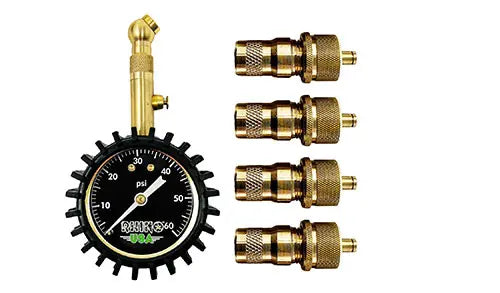
Use a Reliable Gauge: Use a quality tire pressure gauge to measure the PSI of each tire.
Adjust as Needed: If the pressure is too low, add air until you reach the recommended PSI. If it’s too high, release air as needed.
Check Regularly: Check your tire pressure at least once a month and before long trips.
Monitor for Changes: Remember that tire pressure can change 1–2 PSI for every 10-degree Fahrenheit change in temperature, and tires naturally lose 1–2 PSI per month.
Properly inflated tires help prevent flat tires, improve handling, and extend tire life. Many newer vehicles have Tire Pressure Monitoring Systems (TPMS), but these often only alert when a tire is significantly underinflated, so regular manual checks are still important.
Portable Tire Inflators and Air Compressors
When services are unavailable, portable tire inflators and air compressors can be a convenient solution.
Features and Benefits
Many are battery powered and can reach up to 150 PSI.
Some models include LED lights and digital pressure gauges.
Using a portable inflator can save time and money, especially during emergencies or when traveling.
Important Notes
The availability of free air and tire services is widespread, but some services may be specific to certain vehicle models or require a prior purchase.
Always verify details before relying on a location for free air.
If you have questions or updates about free air locations, contact the website or site administrators.
The start of your trip is a good time to check tire pressure, and a technician can assist if you notice any warning lights or issues.
Note: While many resources strive for accuracy, there is no guarantee that all information is up to date or universally applicable. Users should verify details before relying on them.
- Choosing a selection results in a full page refresh.