


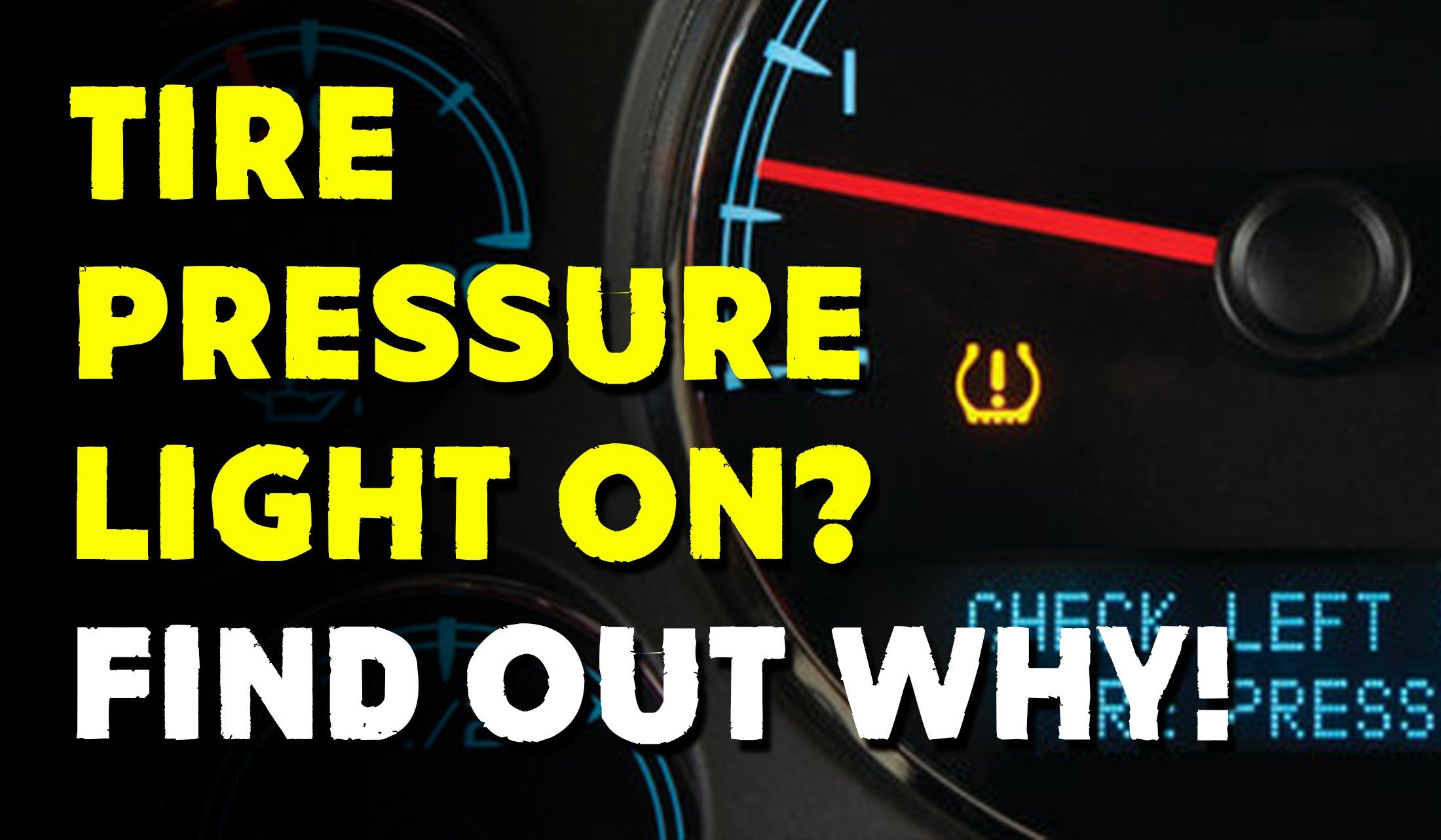
Tire Pressure Light On? Find out why!
Tire pressure light bugging you? Don’t fret, keep reading and we’ll help you learn how to fix the problem, once and for all. If your tire pressure light is on, this guide will help you understand why and what steps to take. This article explains the common reasons your tire pressure light may come on, how to check and fix the issue, and when to seek professional help. It's designed for drivers who want to understand and resolve tire pressure warnings safely. Whether you’re a new driver or an experienced one, if you’re experiencing a tire pressure light, this guide will walk you through the causes, solutions, and essential safety tips to keep you and your vehicle safe on the road.
Step-by-Step Troubleshooting Checklist
If the tire pressure light comes on, follow these steps to troubleshoot and resolve the issue:
Check tire pressure in all tires (including the spare): Use a manual tire pressure gauge to check the pressure in all four tires and the spare if your vehicle has one.
Inflate to recommended PSI: Add air to any tires that are below the manufacturer’s recommended pressure, which can be found on a sticker inside the driver’s side door jamb or in your owner’s manual.
Drive above 25 mph for a few miles: This allows the TPMS system to recalibrate after adjusting tire pressure.
If the light remains, check for sensor issues or reset TPMS: Some vehicles require a manual reset of the TPMS system after inflating the tires. Refer to your owner’s manual for instructions.
Seek professional help if unresolved: If the tire pressure light stays on after inflating all tires to the correct pressure, there may be a system malfunction, such as a faulty TPMS sensor or battery, and you should consult a professional.
Understanding Tire Pressure
Tire pressure is the measurement of the air pressure inside your vehicle’s tires, typically expressed in pounds per square inch (PSI). Keeping the right tire pressure is crucial for your car’s performance and safety. That’s where the Tire Pressure Monitoring System (TPMS) comes in. This electronic system constantly checks the air pressure in each tire and will trigger the TPMS light—also known as the warning light—on your dashboard if it detects that the pressure has dropped below the recommended level.
The Tire Pressure Monitoring System (TPMS) alerts drivers when tire pressure is below the manufacturer's recommended level. A solid tire pressure light indicates that one or more tires are low on air, while a flashing light suggests that the Tire Pressure Monitoring System may be malfunctioning.
When the TPMS light or warning light comes on, it’s your car’s way of alerting you to a potential issue with your tire pressure. This alert is designed to help you catch problems early, before they turn into more serious issues on the road. The TPMS system uses small sensors inside each tire to monitor air pressure and send a signal to your car’s computer if something isn’t right. Paying attention to this warning system can help you stay safe and avoid unexpected tire trouble.
Importance of Proper Tire Pressure
Maintaining proper tire pressure is one of the simplest yet most important things you can do for your vehicle. When your tires are properly inflated, you’ll enjoy:
Better handling
Improved gas mileage
A smoother ride
Longer tire lifespan
Even tire wear
Reduced risk of costly repairs or dangerous blowouts
On the flip side, underinflated tires can lead to poor traction, longer stopping distances, and even increase the risk of tire failure. Overinflated tires aren’t much better—they can cause uneven wear and make your ride less comfortable, while also raising the risk of tire damage.
Checking your tire pressure regularly—ideally once a month—helps ensure your tires are always in good shape. By making tire pressure checks a regular part of your vehicle maintenance routine, you’re not just protecting your tires, but also your safety and your wallet.
Common Reasons for Low Tire Pressure
There are several common reasons why your tire pressure might drop and trigger the TPMS warning light. These include:
Change in temperature: As temperatures drop, the air inside your tires contracts, leading to lower pressure and potentially setting off the warning light.
Slow leaks: Small punctures or a damaged valve stem can cause your tire pressure to decrease gradually over time.
Improper tire maintenance: Not checking your tire pressure regularly can result in underinflated tires going unnoticed until the TPMS system alerts you.
Worn-out tires or tire damage: Damage to the tire itself can lead to pressure loss.
It’s important to address the underlying issue as soon as you notice the warning light, whether it’s a slow leak, a puncture, or simply the result of changing weather. Regular tire pressure checks and prompt attention to any warning lights will help keep your TPMS system functioning properly and your tires in top condition.
You’re driving on a busy road, and perhaps you’re getting a bit stressed because you’re already late. If you weren’t already nervous enough, you finally noticed it: that annoying light on indicating a problem with your tire pressure!

Don’t panic. Chances are, you are not at immediate risk when the tire pressure light pops on. However, as drivers, it is your responsibility to respond promptly to the tire pressure light to ensure your safety and the safety of others on the road. If this article does not fix your tire pressure light, it is very important to take the right precaution and make sure that you take your car to a specialist so that you can actually learn what the problem is and solve it once and for all. Keep reading to learn more about why your tire pressure light could come on, and how you can fix it yourself.
Bumpy Roads and Hitting Objects with Your Tires
Have you had an accident, or perhaps you ran over something pointy or bumpy? This might be the reason why your low tire pressure warning light is on. If you think that the light might have appeared after you hit something with your car, it is probably worth going and getting it checked out as soon as you can or using a tire repair kit to fix the issue.

Visual Inspection After Impact
Bumping a curb or driving over a small hole might seem like no big deal, but they can actually damage the structural integrity of your tires, not to mention, contribute to the loss of pressure of the tires. Tread damage or loss of tread depth can also contribute to tire pressure issues and should be checked after impacts. It’s always better to check these things out. If you think that there might be visible signs of wear in your tires, you can actually go pull over and go for a visual inspection. Look for obvious signs of impact, but also for sagging and misshaping. Drivers should check all four tires, including the spare tire, for damage or low pressure.
Transitioning from physical impacts, let’s look at how weather can also affect your tire pressure.
Weather Changes: Can the Cold Really Affect the Pressure of Your Tires?
Natural air loss in your tire can actually happen due to weather changes. Cold weather can cause tire pressure to drop, triggering the warning light, while heat in summer can increase tire pressure. The stress of the shifting temperatures season by season can put a strain on your tires, and each month, tires might actually lose anywhere from 1 to 1.5 pounds of pressure. The difference in tire pressure readings due to temperature fluctuations can trigger the light even if your tires are properly inflated. If you have been going on 5 to 8 months without checking your car tire pressure, this might be a rather common cause of the light turning on. If you check your tire pressure quite regularly and still see the light go on, it might be that you’re experiencing a particularly cold day, which is affecting the pressure of your tire.

How Temperature Affects Tire Pressure
In conclusion, weathering really is one of the main causes of pressure loss in tires, and it can definitely be avoided overtime. This is why it is always very important to make sure that you inspect your tire pressure as often as possible. Generally speaking, it all depends on your vehicle and on how much you use it, but it’s always a good idea to inspect your pressure at least every 2-4 months. However, it is recommended to check your tire pressure monthly (every 30 days), as tires lose air over time even without visible damage. Whether you choose to take your vehicle to a professional for a check-up and service, or you prefer to actually buy your own tire pressure gauge, the possibilities are truly endless, and it’s all about what makes you feel more comfortable about the process as a whole. The recommended tire pressure (PSI) for your vehicle is usually listed on a sticker inside the driver's side door jamb and in the owner's manual. Checking the pressure of your tires is incredibly important, and the risks associated with low pressure while on the road should never be underestimated. Low pressure is a leading cause of damage and accidents because it can be easier to lose control of a vehicle with poorly pressured tires!
Apart from weather, your vehicle's sensors can also play a role in triggering the tire pressure light.
Sensor Triggering
TPMS Sensor Issues
In some cases, there might be nothing wrong with your pressure at all. On the other hand, the TPMS sensor might be triggered by something else. TPMS systems can use either direct tire pressure sensors mounted inside each tire or indirect systems that use wheel speed sensors to detect pressure changes. For example, some cars actually require the TPMS to be reset right after adding pressure. If you think that this might be the case, we suggest you check out the specs for your particular vehicle or better yet, consult the person who has fixed your tire pressure, as they might be able to help you reset the TPMS sensor, so you are no longer bothered by the light warning. TPMS sensors are typically battery-operated, and a dead or faulty battery can cause the warning light to stay on or flash.
In this day and age, cars are equipped with the latest technologies. In some cases, it takes a bit of a learning curve, particularly when it comes to understanding the purposes and inner workings of all the sensors available. One of the most common examples of tech misunderstandings is definitely the appearance of a mysterious tire pressure light. In some modern cars, simply resetting the sensor could fix the problem, but it really depends on a case-by-case basis. Most vehicles require driving above 25 mph for a few miles to allow the TPMS to recalibrate after adjusting tire pressure. A solid tire pressure light (often an exclamation point icon) means one or more tires are low on air, while a flashing light suggests a TPMS malfunction. If the light stays on after inflating all tires to the correct pressure, there may be a system malfunction, often due to sensor or battery issues. Slow air leaks or communication issues between TPMS sensors and the vehicle's computer can also cause the light to stay on.
Now that you know about sensor issues, let’s discuss what to do if you’re still unsure about your situation.
What to Do When in Doubt?
If you are not sure about your situation, it’s better not to ignore the warning. Under pressured tires could actually lead to really unpleasant consequences. Ignoring the tire pressure light can lead to serious problems, including poor fuel efficiency, uneven wear, or even a blowout. Always remember that under pressured tires can be more dangerous to drive with, and less stable on the road. This might lead to accidents and damage to your car, and worse of all, to people. If you want to make sure that you’re driving in the safest and best possible conditions for you, your family and everyone else around you, it is really important to remember to take the light warning seriously. The TPMS was mandated by the TREAD Act in 2000 to help warn drivers of low tire pressure and prevent safety issues.
If you want to take matters into your own hands, the next section will show you how to check your tire pressure.
Using a Tire Pressure Gauge
If you want to be able to test your tire pressure on your own, you should consider purchasing a tire pressure gauge. As the name might imply, this is a specific tool, which enables vehicle owners to measure the pressure of their tires with a high degree of accuracy. Remember to check the pressure in all four tires and the spare, and add air as needed to reach the correct pressure.

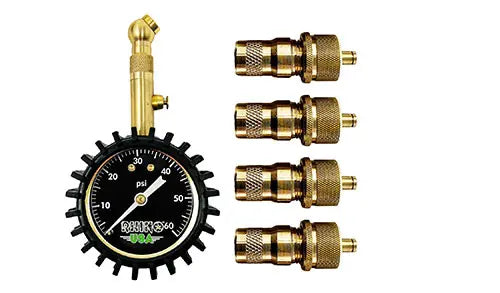
Here at Rhino USA, we engineered a flexible 75 PSI tire pressure gauge, capable of meeting most consumer needs. For less than 20 bucks, this heavy duty product enables users to check the pressure on their tires with pin-point accuracy. The benefits of such a small investment are many.
First things first, properly pressurized tires are much safer and allow for secure driving on the road. In addition to that, properly inflated tires actually lead to a much better value in the long run. With properly inflated tires, you can save fuel, since the engine won’t have to strain as much. In addition to that, you are also going to be able to greatly enhance the lifespan of the tires themselves. If you use tires that are incorrectly pressurized, you will wear them down quickly. On the other hand, properly pressurized tires are going to last a lot longer, and perform much better even as they age. New tires or off-road driving may require recalibrating the TPMS system, and the owner's manual provides instructions for this. Regular tire pressure checks are important regardless of TPMS alerts, and checking every 30 days helps prevent the light from coming on. The most common reasons for the tire pressure light are low pressure, sensor malfunction, battery failure, or system communication issues. TPMS issues can often be resolved by checking the tire pressure sensors, tpms sensors, and adding air as needed.
Find out more about our 75 PSI tire pressure gauge, and visit the following link for further information:
Featured Product: Rhino USA 75 PSI Tire Pressure Gauge

Ultimately, dealing with a light warning related to tire pressure can be a little bit unsettling, but you should not worry too much: simply take the necessary steps to follow up with the warning and make sure that everything works just as it should!
How to Inflate Your Tires
The easiest way to reinflate your tires is by looking up the nearest tire pressure check near you, which often times is the nearest gas station. Most gas stations have a tire pressure check, where you also can reinflate your tires if your pressure is low. In most cases, this is a fairly simple process that only requires a couple of quarters.
Another way to reinflate your tires if your tire pressure is low, is by using an air compressor and a tire inflator gauge. By hooking up your tire inflator gauge to an air compressor, you can easily reinflate your tires to the proper tire pressure whether you are on the road or on the trail!
How to Reset the Tire Pressure Light
Before attempting to reset the tire pressure light, always check and adjust the tire pressure in all tires, including the spare, as the first troubleshooting step. To check tire pressure, a manual tire pressure gauge should be used on all four tires, including the spare if necessary. Resetting your tire pressure light can be different for each vehicle make and model. Some vehicles have a tire pressure reset button (TPMS reset) beneath the steering wheel. However, make sure you look up the exact make and model of your vehicle before performing a reset, or go to your local authorized car dealer for assistance.

- Choosing a selection results in a full page refresh.