







Why Harley-Davidson Motorcycles are Referred to as Hogs
Harley-Davidson motorcycles are called "hogs" because, in the 1920s, the company's racing team had a piglet mascot named Johnny. After winning races, team members would take the piglet on victory laps, leading to the nickname "Harley Hogs." Over time, "hog" became synonymous with Harley-Davidson motorcycles and was later institutionalized through the Harley Owners Group (H.O.G.).
Harley-Davidson motorcycles have been synonymous with American culture for well over a century. The origin of the nickname traces back to the 1920s, when Harley-Davidson racing teams adopted a pig as their mascot, leading to the bikes being called hogs. Affectionately termed ‘hogs,’ these machines carve out a hefty reputation both on and off the road.
This article explores the origins of the "hog" nickname, its cultural impact, and how it became central to Harley-Davidson's brand identity. Whether you're a Harley enthusiast, a motorcycle history buff, or simply curious about iconic American brands, this article will provide the answers.
The origins of this peculiar nickname date back to the early days of the brand’s racing history and have since become an integral part of the Harley-Davidson identity. The term ‘hog’ initially had nothing to do with the size or sound of the motorcycles themselves; instead, it emerged from a unique tradition.
In the post-World War I era, a team of Harley racers celebrated their victories by taking a pig—yes, a real live pig—on a victory lap. This act of celebration captured the public’s attention and affectionately linked the image of a hog with the Harley-Davidson brand.
Over time, this association was embraced by riders and fans alike. The term 'hog' became a long-standing nickname and a popular slang term for Harley-Davidson motorcycles, reflecting its deep roots in motorcycle culture.
The imagery permeated motorcycle culture, and the ‘hog’ nickname became an endearing term referring to both the bikes and their riders. The nickname "H.O.G." represents Harley-Davidson's brand identity and sense of camaraderie among riders. The nickname 'hog' reflects the cultural identity of Harley-Davidson riders and their community, as well as the physical and cultural image of Harley-Davidson motorcycles as large and powerful machines.
Harley-Davidson’s embrace of the moniker is evident in the company’s support of the Harley Owners Group, officially abbreviated as H.O.G., further cementing this piece of motorcycling lore. The use of the term 'hog' has been institutionalized through Harley-Davidson's marketing and community-building efforts. Harley-Davidson motorcycles are often called hogs as a slang term, and this reflects the cultural identity of Harley-Davidson riders and their community.
Origins of the 'Hog' Nickname
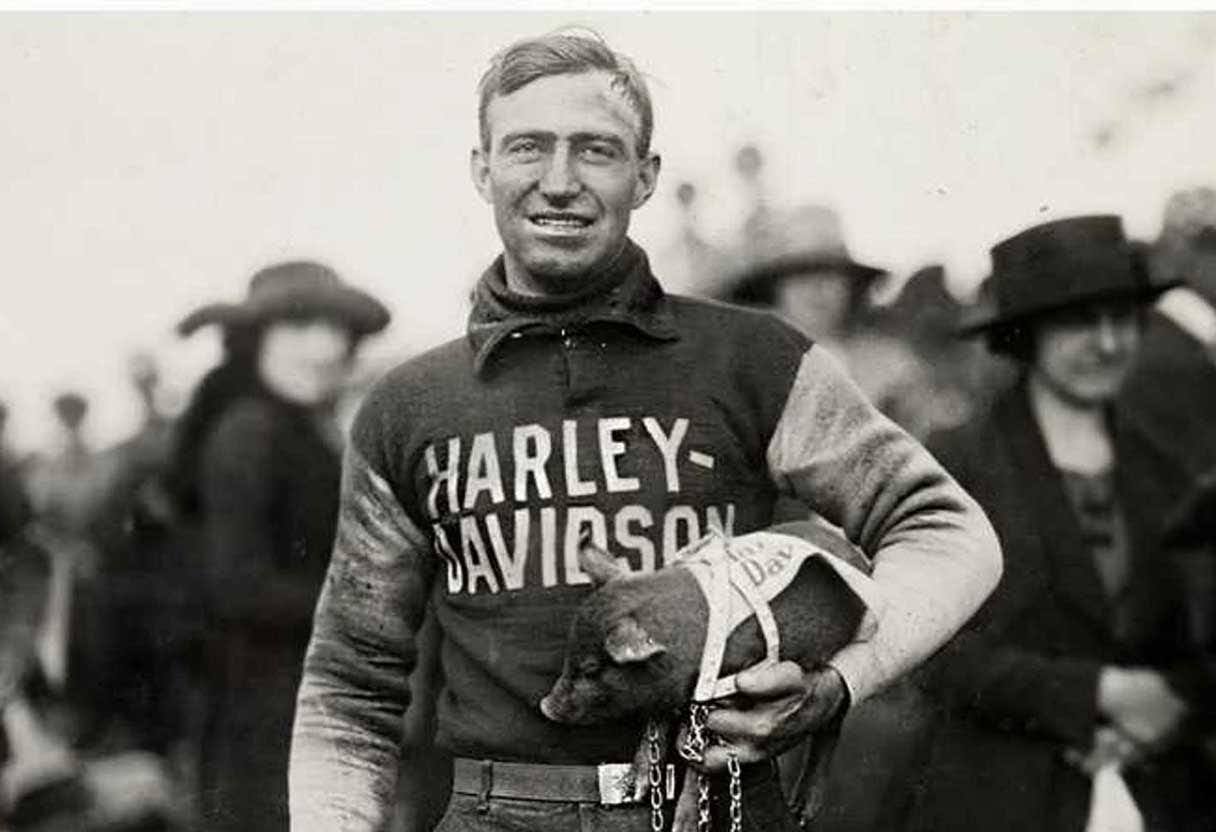
The nickname "hog" for Harley-Davidson motorcycles originated from the company's racing team, which had a piglet as a mascot. The Harley-Davidson racing team, known as 'the Wrecking Crew', had a piglet mascot named Johnny. In the early 20th century, the Harley-Davidson racing team—often called the 'hog boys' or 'farm boys'—adopted a piglet as their mascot, which became a symbol of their team spirit. The racing team dominated dirt track races during this era, further cementing the association between Harley-Davidson motorcycles and the 'hog' nickname.
Racing Success
Harley-Davidson’s racing team’s prowess in the early 20th century was the initial catalyst for the ‘Hog’ nickname. The Harley-Davidson racing scene during this era was marked by remarkable achievements and dominance, making a significant impact on competitive motorcycle racing.
Ray Weishaar and his team dominated the racing circuits, creating a legacy of success and a strong association between motorcycles and winning performance. The term 'hog' for Harley-Davidson motorcycles originated from the company's racing team in the 1920s.
Their consistent victories began to resonate with fans and the media who informally coined a nickname reflective of the team’s dominance.
The Hog Association
The association was further cemented by a peculiar team mascot, a pet piglet. The Harley-Davidson racing team, known as 'the Wrecking Crew', had a piglet mascot named Johnny. Ray Weishaar’s practice of taking a victory lap while cradling a small pig linked the term ‘Hog’ to Harley-Davidson in a more personal and lasting way. After winning races, members of the Harley racing team would take their pet piglet mascot, often named Johnny, on victory laps, which led to the nickname 'Harley Hogs'.
This celebration turned into a symbol of triumph, and over time, ‘Hog’ evolved from being a term associated exclusively with Harley-Davidson racers to becoming synonymous with the motorcycle brand itself.
Beyond its origins, the Harley-Davidson motorcycle has developed unique characteristics that set it apart.
Characteristics of a Harley-Davidson Motorcycle
Harley-Davidson motorcycles are instantly recognizable in the cycle world, thanks to a blend of distinctive design, engineering prowess, and a storied history that stretches back to the early 1900s.
Design and Engineering
Signature features of Harley-Davidson motorcycles include:
-
Powerful engines: Renowned for their deep, rumbling sound—a feature that has become as iconic as the bikes themselves. This unmistakable roar is often likened to the sound of a hog, reinforcing the universal nickname that has followed Harley-Davidson motorcycles for generations.
-
Classic styling: Teardrop-shaped gas tanks, low-slung chassis, and bold lines make these motorcycles stand out at any motorcycle event.
-
Robust engineering: The legendary Harley-Davidson racing team, famously known as the “Wrecking Crew,” helped cement the brand’s reputation for high-performance bikes. Their dominance on the track was a winning combination of skilled riders, robust engineering, and a relentless drive for victory.
Riding Experience
-
Durability and reliability: Harley-Davidson motorcycles are known for their ability to handle long journeys and challenging conditions, making them a staple for those who crave adventure on two wheels.
-
Performance: Riders across the world trust their beloved Harley-Davidson motorcycle for both everyday rides and epic road trips.
Community and Camaraderie
-
Harley Owners Group (H.O.G.): The sense of camaraderie among Harley riders is further strengthened by the Harley Owners Group (H.O.G.), which fosters a global community united by a shared love for the brand and its values.
-
Tradition and legacy: The “hog” nickname is more than just a term of endearment—it’s a symbol of the Harley-Davidson spirit. Whether you’re drawn to the brand’s rich history, its connection to motorcycle racing, or the thrill of riding a Harley on the open road, there’s no denying the unique experience these motorcycles offer.
In every sense, the characteristics of a Harley-Davidson motorcycle reflect the company’s dedication to excellence, community, and the pure joy of riding. Whether you’re attending a motorcycle event, joining a local H.O.G. chapter, or simply enjoying the freedom of the open road, riding a Harley means becoming part of a tradition that spans generations and continents—a tradition that proudly carries the name “hog.”
As Harley-Davidson motorcycles evolved, so too did the brand’s identity and influence on motorcycle culture.
Harley-Davidson Brand Evolution
Company History
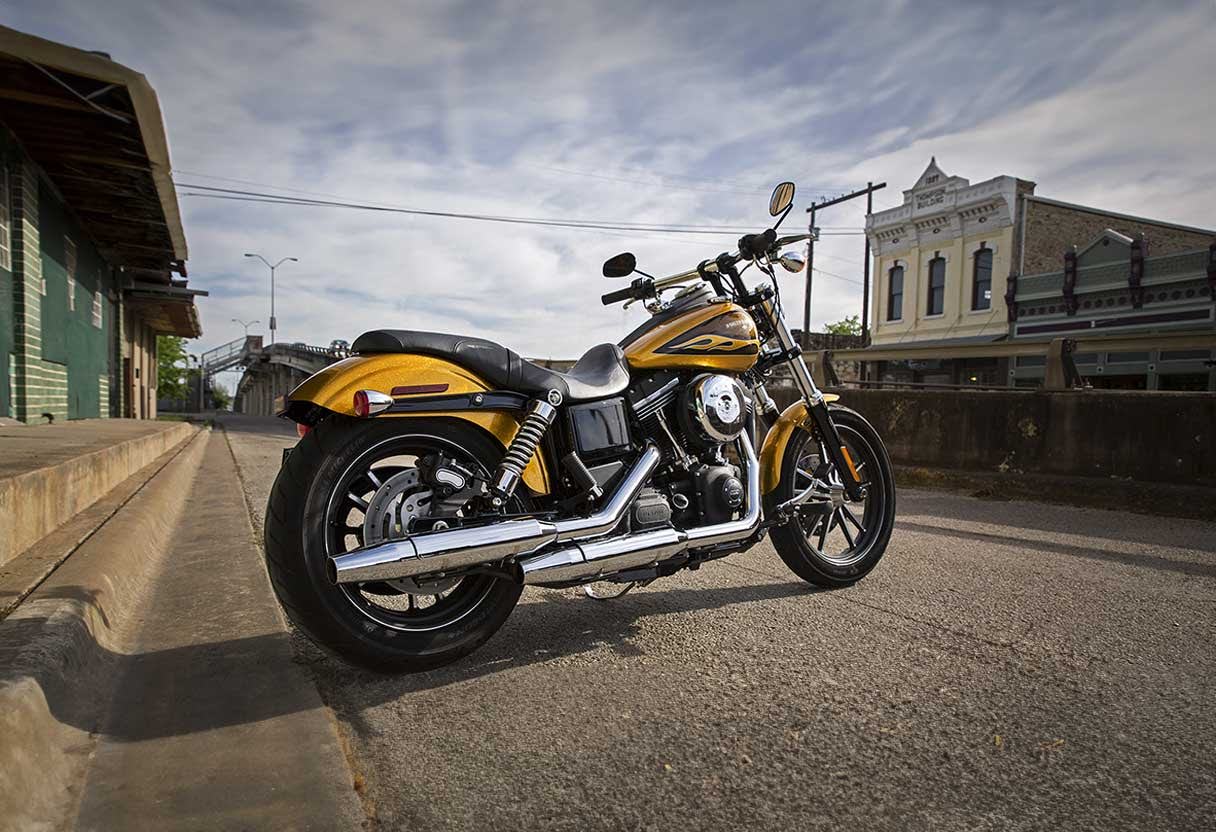
Harley-Davidson was founded in 1903 in a small shed in Milwaukee, Wisconsin. The company officially incorporated in 1907 with Walter Davidson as its first president and general manager. Harley-Davidson has become an iconic American motor company, known for its distinct style, culture, and history.
Key milestones in Harley-Davidson’s history include:
-
Early innovation: The evolution of two-wheeled vehicles from early bicycles to motorcycles set the stage for Harley-Davidson's rise.
-
1920: Harley-Davidson became the globe's largest motorcycle manufacturer.
-
World War I: The motor company produced thousands of units for military contracts, boosting brand awareness.
-
World War II: Provided specialized models to the Allied forces.
-
Global expansion: The company has expanded to include almost 1,500 dealerships in about 100 countries around the world.
-
Technological advances: Harley-Davidson’s storied lineage includes significant technological advances and global manufacturing partnerships.
Community Building
-
Mechanics and maintenance: Mechanics have played a crucial role in the development and maintenance of Harley-Davidson motorcycles.
-
Dedicated community: The company has cultivated a dedicated community of riders since the 1960s and 1970s.
-
Marketing strategies: Its marketing strategies in the 1980s and 1990s blended heritage aesthetics with updated technology.
-
Anniversaries and events: Harley-Davidson has celebrated major anniversaries that showcase its history and evolution.
-
Employee and client relations: Close contact with employees and clients, including line employees and groups like the USPS and police, has been important in the company's business practices.
Brand Identity
The nickname "H.O.G." represents Harley-Davidson's brand identity and sense of camaraderie among riders. The motor company decided to officially establish the Harley Owners Group (H.O.G.) in 1983 to strengthen the bonds between Harley-Davidson and its customers. H.O.G. is an acronym for Harley Owners Group, which connects Harley-Davidson motorcycles and their owners. Harley-Davidson attempted to trademark "hog" in the 1990s, but it was deemed too generic. Events such as rallies and club gatherings are central to fostering camaraderie among riders. Harley-Davidson is often compared to other motorcycle brands, such as BMW, in terms of owner groups and brand identity.
The nickname 'hog' reflects the cultural identity of Harley-Davidson riders and their community, as well as the physical and cultural image of Harley-Davidson motorcycles as large and powerful machines. Harley-Davidson is also associated with outlaw bikes and the countercultural image, as many customized or modified motorcycles reflect a rebellious or non-conformist vibe.
Cultural Impact
Harley-Davidson has had a profound influence on motorcycle culture and is often synonymous with the quintessential image of motorcycling in America.
Its bikes have been showcased in movies, music, and media, contributing to its status as a symbol of freedom and rebellion.
The company's branding has successfully tapped into a lifestyle that values individualism and non-conformity, making it a staple within various subcultures spanning from mainstream enthusiasts to outlaw bikers.
Product Development
Throughout its history, Harley-Davidson has consistently innovated while maintaining its classic design elements.
The company introduced features such as the V-twin engine, which became a hallmark of its motorcycles due to its power and characteristic sound.
The brand has also adapted to market changes by diversifying its lineup to include electric motorcycles, thereby recognizing shifting consumer preferences and environmental considerations.
Despite these evolutions, it has preserved the legacy elements that appeal to its devoted customer base.
- Choosing a selection results in a full page refresh.