





6 Winter Driving Safety Tips for Truck Drivers
Taking your truck on a lengthy winter road trip? Make sure you are properly prepared with these 6 Winter Driving Safety Tips for Truck Drivers. Driving a big rig in a cold climate can be quite dangerous, especially if you did not take any precautionary measures beforehand. However, you will be on the road feeling confident and secure after learning these preventive safety tips for winter truck driving.
Introduction to Winter Driving
Winter driving brings a unique set of challenges for truck drivers, as winter weather conditions can quickly turn a routine trip into a risky journey. Snow, ice, and freezing temperatures increase the likelihood of vehicle crashes, making it essential for drivers to be vigilant and well-prepared. To stay safe on the road, truck drivers should always be aware of potential hazards and take proactive steps to minimize risk. This means equipping your truck with quality winter tires for better traction, keeping your vehicle in good shape with regular maintenance, and packing essential emergency kits in case you encounter trouble spots. By understanding the dangers of winter driving and following proven winter driving safety tips, truck drivers can reduce the risk of accidents and ensure they’re ready for whatever winter weather throws their way.
Thoroughly Inspect Your Vehicle

Before you hit the road, be sure to do a full and thorough pre trip inspection on your truck. You never know what might need fixing unless you check. If you are going to be driving for a while you do not want to skip a quick vehicle inspection, especially if you are going to be driving in the winter season. Taking this step can set the stage for a safe and secure road trip. For example, using a reliable tire pressure gauge is essential to make sure your tires are properly inflated. Below is a list of things to check before taking off.
-
Tire Tread Levels and Traction Boards (at least 4/32" on front tires, 2/32" elsewhere)
-
Vehicle Engine Oil
-
Antifreeze Levels
-
Fluid Levels (windshield washer, brake, coolant)
-
Brakes & Antilock Brakes
-
Wiper Blades (ensure they are free from snow and ice)
-
Air Conditioner
-
Battery (check charge, especially in cold weather)
-
Lights
Regular vehicle maintenance checks are vital year-round, but they become even more crucial as temperatures drop. Cold weather can drain batteries faster, so checking the battery's charge and replacing it if necessary can save you downtime later. Inspect tires regularly to verify tread depth (at least 4/32" on front tires and 2/32" elsewhere) and check pressure daily, as it drops 1 PSI for every 10°F decrease.
Assemble a winter emergency kit and keep it in your truck. Essential items include: jumper cables, bottled water, first aid kit, extra warm clothes, snow shovel, tire chains, kitty litter (for traction), flashlight, high-visibility jacket, food, blankets, and an ice scraper. Part of your pre-trip inspection should be checking to see if you have all of the necessary supplies you'll need should you get stranded or stuck.
Always keep your fuel tank at least half-full at all times during winter driving to avoid running out in case of delays or emergencies.
Study the Road Conditions

Paying close attention to the road and driving conditions is extremely important, especially during hazardous winter weather. There are plenty of ways you can do this while protecting yourself, your vehicle, and other drivers in the process. Start by observing the tire spray of any vehicle ahead of you; if the road is wet you will see a lot of water spraying. If you do not see any water spraying, the road is freezing up and you will need to take extra precautions.
Use GPS systems and trucking-specific apps to monitor weather forecasts, track real-time road closures, and check for chain requirements. Always plan your route and timing to account for changing weather conditions and necessary stops.
Another tip is to observe the road salt! If you are on a narrow road and notice small to medium salt rocks on the asphalt, use the nearest turn-out zone to allow vehicles behind you to pass. This will prevent any damage or immediate danger to the vehicles behind you and can potentially save a life.
Always watch for changing road and weather conditions, such as black ice, fog, or sudden snow. Stay informed by checking weather and road reports regularly to ensure safe winter driving.
Slow Down if Necessary

Adjust your speed according to the road conditions. In icy conditions, vehicle crashes occur more often due to loss of control, so it's crucial to drive with extra caution. If the road is covered in snow or ice, reduce your speed to compensate for the loss of tire traction—unlike dry roads, slick surfaces make it much more difficult to turn and stop. Heavy rain can also reduce visibility and traction, so slow down to avoid losing control or aquaplaning. Always turn off cruise control on slippery roads, as it can cause dangerous acceleration on icy spots. Sudden movements can cause your vehicle to lose traction, leading to skids or spins. Using lower gears in slippery conditions can help maintain better control of your vehicle. Avoid stopping on hills to prevent slipping backward in snowy or icy conditions. Increase your following distance to allow for longer stopping times in winter conditions. If you start to skid, take your foot off the accelerator and steer gently to regain control. These winter driving tips apply to both trucks and cars—maintaining control is essential for all vehicles in hazardous weather.
Slowly Apply Your Brakes

You may already know this one, but I figured it would fit this list of safety tips. The worst possible thing you could do in any driving emergency is to forcefully lock your brakes, especially in rough winter road conditions! Always brake gently when approaching intersections and sharp curves to prevent slipping on icy or slushy surfaces. If your truck is properly equipped with an ABS (anti-locking braking system), and you find yourself in an emergency, you can safely press and hold the brake down as far as possible.
If your truck does not have an ABS equipped, the next best thing you can do is to slowly apply your brakes, using light, steady pressure and avoiding heavy braking or using the jake brake on ice to prevent the drive wheels from locking up. Pay close attention to the brake lights of vehicles ahead to anticipate their actions, especially in winter conditions. When changing lanes, use your turn signals properly and well in advance to alert other drivers and maintain safety in slippery conditions.
Stuck vehicle? Stay put!

If you find yourself stuck or stranded, especially in cold weather or when snow and ice are present, and do not see any close by areas to seek assistance, do not under any circumstances leave your vehicle! Freezing temperatures can be deadly, especially if there is a snowstorm or blizzard. If stranded in a blizzard, stay with your vehicle to avoid disorientation, and run the engine periodically for heat, making sure the exhaust pipe is clear of snow to prevent carbon monoxide poisoning. The best thing you can do in this scenario is buckle up, stay warm, conserve gas, and occasionally clear your exhaust of snow buildup to prevent carbon monoxide poisoning.
If you do not have any cellular service to call for help, use your CB radio to alert any nearby trucks on the road of your situation. If you leave your truck, the chances of somebody finding you will decline.
Be Prepared for The Worst

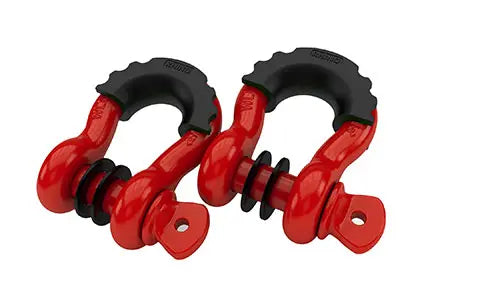
This is common sense to the experienced truck drivers but may help somebody new to the game. Before you set off for the long-haul or embark on an winter overlanding adventure, take a minute to pack any items that may be useful along the way! This could include warm clothing, blankets, a window ice scraper, matches, flashlights, shovels, recovery equipment, and whatever else you believe could come in handy. Pack extra if you can. Always carry extra warm clothes and food in case you get stranded during winter conditions.
Proper driver training is essential for winter driving safety, as it prepares you to handle harsh weather and unexpected situations. Ongoing education and learning new winter driving tips can help truck drivers stay safe and adapt to changing road conditions.
When entering or leaving your truck, wear boots with a good grip to prevent slipping and injury, especially in icy or low visibility conditions. Make sure to wear boots designed for winter safety to reduce the risk of falls.
Cold weather increases the likelihood of illnesses like the common cold, flu, and pneumonia for truck drivers. To strengthen your immune system during winter, eat a balanced diet with fruits, vegetables, lean proteins, and complex carbohydrates. Drink adequate water—about two liters a day—to stay hydrated and maintain proper body function. Regular exercise is also important to maintain strength, ward off illness, and combat seasonal depression during the winter months.
Winter Driving Challenges
Truck drivers face a variety of winter driving challenges that can make even the most familiar routes unpredictable. Adverse weather conditions like heavy snow, ice, and freezing rain can create slippery surfaces and drastically reduce visibility, making it harder to spot other vehicles or obstacles on the road. Black ice is a particular danger, as it’s nearly invisible and can cause a truck to lose control in an instant. Exit ramps and bridges often freeze before other parts of the road, turning them into potential hazards that require extra caution. Winter storms can also roll in quickly, reducing visibility and making it necessary to slow down and use low gear to maintain control. By staying alert to these winter conditions and adjusting your driving habits accordingly, truck drivers can navigate winter roads more safely and avoid the risks that come with bad weather.
Rhino USA Recovery Traction Boards
That concludes our list! You are now ready to hit the road with confidence. Thank you for taking the time to consider yours, and others safety on the road. We hope this article was helpful and informative. If you have any questions regarding Rhino USA products, please visit our site.
Truck Driver Safety FAQ's
Do I need special winter tires for my truck?
It is highly recommended and often required for truck drivers to equip their rigs with winter tires. In many states and countries, winter brings snow, ice, and dangerous road conditions. Using winter tires is a valuable additional measure to consider for optimal safety in winter conditions.
What should a truck driver do if they get stuck or stranded?
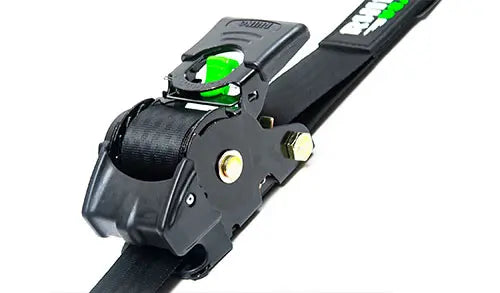
Having a heavy duty recovery tow strap is crucial for any truck driver who might find themself stuck or stranded. If the situation is more serious or a tow strap can't recover the stuck vehicle, we recommend reaching out to a towing company.
Conclusion
In conclusion, winter driving safety is a top priority for truck drivers, especially during the challenging winter months. By preparing your truck with quality winter tires, keeping your vehicle well-maintained, and carrying essential emergency kits, you can significantly reduce the risk of vehicle crashes and stay safe on icy roads. Following winter driving safety tips—like reducing speed, using low gears, and being cautious around black ice—helps truck drivers avoid potential hazards and maintain control in even the toughest conditions. Remember, staying prepared and prioritizing safety not only protects you but also everyone else sharing the road. By taking a proactive approach to winter driving, truck drivers can confidently face the risks of winter weather and ensure a safer journey for all.
Featured Product: Rhino USA Recovery Traction Boards

- Choosing a selection results in a full page refresh.