


How to Trailer a Boat by Yourself
Introduction to Boat Trailering
Boat trailering is a fundamental skill for anyone who wants to enjoy the freedom of boating on their own terms. Whether you’re heading out for a day of fishing or planning a summer adventure, knowing how to launch a boat by yourself starts with understanding your boat trailer and its essential components. A reliable trailer winch and sturdy winch strap are key to loading and unloading your boat safely and efficiently.
Mastering the basics of trailering not only helps you avoid common mistakes but also protects your investment by preventing damage to your boat and trailer. With the right preparation and a little practice, you’ll find that launching a boat solo can be straightforward and stress-free. By focusing on safety and proper technique, you’ll be ready to hit the water with confidence, knowing your boat and trailer are set up for success.
How to Load a Boat on a Trailer by Yourself
This article is designed for boaters who want to confidently and safely load their boat onto a trailer without assistance. Whether you’re a solo boater or new to solo trailering, learning how to load a boat on a trailer by yourself is essential for independence, safety, and efficiency. This guide will show you exactly how to load a boat on a trailer by yourself, step by step, so you can enjoy the water on your own terms.
Trailer boating by yourself can be an enjoyable and empowering experience, but it requires knowledge, skill, and a touch of patience. While many boaters enjoy sharing the day with friends, solo trailering can be just as fun and rewarding. Without the proper technique, it’s easy for accidents to occur—from damage to your boat or trailer to causing injury to yourself or others. Learning how to adeptly load and unload your boat onto the trailer will equip you with the confidence and expertise to set sail on your own.
In this article, we’ll guide you through the most effective ways to trailer your boat solo, addressing the challenges and providing practical solutions. We’ll cover essential steps like aligning your trailer, securing your boat, and navigating the launch process, ensuring that once you’ve mastered these skills, you can independently enjoy your time on the water. With a little practice, you’ll quickly get the hang of solo trailering and find the process both manageable and enjoyable. So, buckle up and let’s embark on your journey to becoming a proficient solo boater.
Understanding Your Equipment
It is crucial to have a solid understanding of your boat trailer and its components before attempting to trailer your boat by yourself. Trailering a boat requires coordination between the boat, trailer, and your vehicle, so becoming familiar with your equipment will ensure a smoother and safer experience. The type of car or tow vehicle you use—such as a pickup truck or SUV—can significantly impact your ability to launch and retrieve your boat safely, as different vehicles offer varying levels of traction, visibility, and towing capacity.
Key Boat Trailer Components and Definitions:
Coupler: Connects the trailer to your vehicle’s hitch, allowing for secure towing. Ensure the coupler matches your vehicle’s hitch size and weight capacity.
Trailer lights: Essential for visibility and safety while on the road. Check brake lights, turn signals, and tail lights before each trip.
Safety chains: Provide a backup connection between your vehicle and the trailer in case the coupler fails. Cross the chains under the tongue to prevent the tongue from hitting the ground if the coupler disconnects.
Winch: The winch, combined with a heavy-duty winch strap, is responsible for pulling your boat onto the trailer and securely holding it in place. Definition: A winch strap is a strong, durable strap that attaches to the winch and the bow eye of your boat, helping to secure the boat to the trailer during the launch and retrieval process.
Outboard motor: Before launching, check and prepare the outboard, ensuring it is raised and secured to prevent prop damage, especially in shallow water.
Side guides or guide-ons: Definition: Side guides or guide-ons are vertical or angled posts installed on the trailer to help center the boat automatically as you load or unload, making solo trailering much easier.
Bunks: Definition: Bunks are padded boards or rails on the trailer that support the hull of the boat. Aim the boat’s bow between the trailer guides or bunks for self-centering and smooth loading.
Trailer Inspection Tips:
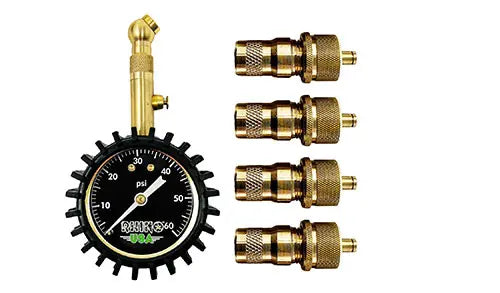
Tire pressure and condition: Inspect your trailer tires for wear and inflate them (using an accurate tire pressure gauge) to the recommended pressure listed on the sidewall or owner’s manual. Low or uneven tire pressure can cause instability while towing.
Bunks or rollers: Ensure that your trailer’s supports are in good condition and positioned correctly to accommodate your boat’s hull shape.
Brakes and suspension: Regularly check your trailer’s braking system and suspension components for proper functionality. Address any issues immediately to avoid potential accidents.
Lubricate moving parts: Keep all moving parts, such as wheel bearings and winch gears, lubricated to minimize wear and tear and facilitate smoother operation.
Regular maintenance of your boat trailer is essential for safe and efficient trailering. By understanding your equipment, you’ll feel more confident and prepared when it’s time to load and transport your boat solo.
With your equipment checked and ready, the next step is to prepare your boat and trailer for the launch.
Preparing Your Boat and Trailer
Before you begin the process of trailering your boat, it’s essential to ensure that the boat is properly loaded and balanced on the trailer. For solo boaters, preparing all your gear and checking alignment before backing down the ramp is crucial. Having all your gear ready before launching your boat helps avoid congestion at the boat landing and ensures a smooth, efficient process. Before launching, check your gear, ensure the vessel is correctly loaded on the trailer, and secure any loose items.
A well-balanced boat on a trailer can help prevent swaying, improve fuel efficiency, and reduce stress on the tow vehicle. To achieve a good balance, ensure that the boat’s center of gravity is positioned slightly forward of the trailer’s axle and that the load is evenly distributed from side to side.
Don’t forget: one common mistake is failing to prepare all your gear and equipment before launching. Forgetting to do this can cause delays and unnecessary congestion at the boat landing. Always make sure your boat and gear are ready before backing down the ramp, and double-check that the drain plug is in before backing the trailer into the water.
Tire Pressure and Condition
Prior to hitting the road, inspect the tires on both your tow vehicle and trailer. Check the tire pressure and make sure it is within the recommended range. Also, assess the overall tire condition for any signs of wear, damage, or cracking. A tire in poor condition may not provide enough traction and could lead to a potential blowout.
Attaching Safety Chains
Connecting safety chains between your tow vehicle and trailer is an essential safety measure. The chains should be crossed beneath the trailer hitch to form an “X” in case the hitch fails. The chains should have enough slack to allow for turning but not so much that they touch the ground.
Connecting Trailer Lights
Once the trailer is properly hitched, connect the wiring harness for the trailer lights to the tow vehicle. This connection is crucial to effectively communicate with other drivers on the road. Ensure that all connections are secure and free from corrosion.
To test the trailer brake lights and turn signals, have someone inside the tow vehicle to operate the controls while you observe the trailer lights. Verify that the brake lights, turn signals, and running lights are working correctly. If any lights are not functioning, double-check the wiring connections and replace bulbs if needed.
By following these steps, you can ensure a safe and hassle-free trailering experience when heading out on the water by yourself.
With your boat and trailer prepared, you’re ready to move on to trailer setup and maintenance to ensure everything is in top condition for your solo launch.
Trailer Setup and Maintenance
A well-maintained boat trailer is the foundation of a smooth and safe boat launching experience. Before every trip, take time to review your trailer setup to ensure everything is in top condition. Start by checking that your trailer is properly aligned and securely attached to your tow vehicle—this connection is crucial for safe transport. Inspect your trailer lights to make sure they’re working correctly, as functioning lights are essential for visibility and communication on the road.
Regular trailer maintenance goes beyond just the basics. Keep an eye on your trailer’s tires and brakes, and address any signs of wear or damage right away. Cleaning your boat trailer after each use helps prevent the buildup of debris, which can cause scratches or corrosion over time. By staying on top of routine maintenance, you’ll reduce the risk of unexpected issues like rust or electrical problems, ensuring your trailer is always ready for your next solo boat launching adventure. With a little attention and care, your boat trailer will serve you reliably for many seasons to come.
Once your trailer is set up and maintained, the next step is to master backing up the trailer for a smooth launch.
Backing Up the Trailer
Backing up a boat trailer by yourself might seem intimidating at first, but with practice and some helpful techniques, you’ll become proficient in no time. Before you begin, always position your vehicle and trailer straight and properly aligned with the ramp to reduce complications during the launch. Here are some strategies and tips to help you back up your boat trailer with ease.
Mirror Adjustments: Properly position your side mirrors to give you a clear view of the trailer and eliminate any blind spots.
Two-hand Steering: Use both hands on the bottom of the steering wheel for more control and accuracy.
Utilize a Spotter: If you have someone available, ask them to act as your spotter. Establish clear communication and signals.
Slow and Steady: Proceed with caution, making necessary adjustments and maintaining control. Keep your window rolled down and seatbelt off while backing down the ramp for safety.
Trailer Straight: Focus on keeping the trailer straight as you back down the ramp.
Submerging the Trailer: Only submerge the trailer until the bunks are wet, keeping the fender tops just below the water surface.
Hard Stop Tip: A hard stop while backing down the ramp can help the boat slide off the trailer more easily.
After stopping your vehicle, ensure it is in park and the parking brake is engaged before exiting.
Practice Exercises
Set up cones or similarly-sized objects in an empty parking lot, creating a path for your trailer. Practice backing up while navigating through the path.
Practice backing up into a simulated boat ramp or driveway, using cones or makeshift markers to outline the area.
Walk around the trailer and ramp area to check alignment and your surroundings before and after backing up.
Common Mistakes to Avoid
Oversteering: Make small adjustments to avoid losing control of the trailer’s movement.
Not checking the hitch: Ensure the hitch is securely attached and locked before backing up.
As you follow these guidelines and practice regularly, you’ll become more confident and skilled at backing up your boat trailer independently.
With your trailer in position, you’re ready to load and unload your boat safely and efficiently.
Loading and Unloading Your Boat
Before loading or unloading your boat, it’s crucial to position the trailer properly at the boat ramp and be aware of the water's edge and shore conditions.
Step-by-Step Loading Process
Tie off your boat: Before backing your trailer down, tie the boat off at the back of the dock using a dock cleat, or beach the boat if a dock is unavailable. Not securing the boat to the ramp area can cause it to drift away when released into the water.
Back up your vehicle with the trailer attached: Drive slowly and use your side mirrors to align the trailer with the boat ramp. Aim for a straight and centered approach.
Back your trailer into the water: To load a boat solo, back your trailer into the water until the bunks are roughly halfway submerged. This helps the boat glide onto the center of the bunks when approaching slowly.
Use a long rope or bow line: Attach a long rope or bow line to the bow of your boat before loading. This essential piece of equipment allows you to guide the boat from the dock or shore, keeping control as you maneuver the boat onto the trailer without assistance.
Raise the outboard or sterndrive: Before loading, raise the outboard or sterndrive to a 'trailering' position to prevent damage.
Approach the trailer: Slowly drive your boat towards the trailer, keeping the bow centered and aligned with the bunks or rollers. Aim the boat’s bow between the trailer guides or bunks for self-centering.
Guide the boat onto the trailer: As you come closer, carefully steer the boat to ensure it lines up with the trailer. If needed, use the long rope or bow line to help align or catch the boat and prevent it from floating away.
Climb onto the trailer or boat: If necessary, climb onto the trailer tongue or into the boat for better control, and jump onto the dock or trailer in a controlled manner.
Secure the boat: Attach the front winch strap or winch hook to the eye of your boat and tighten it. Make sure the winch strap is hooked securely. It’s essential to ensure proper weight distribution and prevent movement during transportation.
Unloading Steps
Attach a long rope: When launching alone, attach a long rope to the front of the boat to help guide it after it floats off the trailer.
Keep the winch strap hooked: Always keep your winch strap attached until your boat is floating to prevent accidents.
Back the trailer into the water: Slowly reverse your vehicle, submerging the trailer deeper into the water until the boat begins to float. Stop backing down the ramp at this point to avoid unnecessary complications.
Unhook the winch strap and safety chain: Once the boat is floating, unhook the winch strap and safety chain. Use a dock cleat to tie off the boat, or beach it if a dock is unavailable.
Push the boat: If needed, push the boat gently to help it slide off the trailer into the water, and catch it with a rope or line to prevent it from floating away.
Climb or jump: Climb onto the boat or trailer as needed, and jump onto the dock or trailer in a controlled manner.
Move into open water: After releasing dock lines, move the boat into open water for a safe departure.
Secure all lines: After launching, secure all lines and confirm that the vessel is ready for operation.
Finally, remember to practice proper boat ramp etiquette, such as preparing your boat before entering the ramp and not blocking traffic while loading or unloading. With these tips and steps, you’ll be able to safely and efficiently trailer your boat by yourself.
With your boat loaded or unloaded, you’re ready to tackle the launch and retrieval process at the boat ramp.
Launching and Retrieving Your Boat at the Boat Ramp
Before attempting to launch or retrieve your boat by yourself, it’s crucial to be well-prepared and follow necessary safety precautions.
Pre-Launch Checklist
Ensure the boat is properly secured to the trailer.
Unplug your trailer lights unless you have submersible trailer lights, to prevent any damage while in the water.
Load all necessary gear into the boat.
Remove the transom tie-down straps—don’t forget this step, as leaving tie-down straps attached when launching can lead to accidents.
Check that your boat’s drain plug is secure.
Launching Steps
Position your vehicle: Carefully back up your vehicle, ensuring your boat and trailer are aligned with the ramp. Always park your vehicle and trailer out of the direct traffic of other boaters in line to use the launch.
Prep the boat: Shift your boat into neutral, and make sure the motor is raised.
Release the boat: Gently release the boat from the trailer and slowly pull the vehicle forward until the boat floats off the trailer. Do not accelerate quickly to avoid damaging the boat or trailer. The easiest way to launch solo may differ for each boater, so find your own way and routine that works best for you. Watching an instructional video can help you learn proper solo launching techniques.
Secure the boat: Use a long bow line to secure your boat to the dock as you park your vehicle.
Be mindful of other boaters waiting to use the ramp and try to launch quickly and efficiently, but don’t rush—avoiding haste helps prevent accidents and equipment damage. While having friends to help can make the process easier, launching solo is manageable with the right routine. Never forget key safety steps, like unbuckling transom straps, to avoid a potential fire (fiasco) or other mishaps.
Retrieving Steps
Align the boat and trailer: Slowly approach the ramp and align your boat with the submerged trailer, making sure the boat’s bow is pointed directly toward the trailer.
Load the boat: Carefully drive or powerload your boat onto the trailer until the bow eye comes into contact with the bow stop.
Secure the boat: Attach the winch strap to the bow eye and tighten it. Once tightly secured, attach the safety chain and transom tie-down straps to hold the boat in place.
Pull out of the water: Slowly drive the vehicle up the ramp, adjusting as needed to keep the boat and trailer aligned.
Post-Retrieval Checklist
Inspect the boat and trailer for any damages.
Remove any standing water or debris from the boat.
Replace the boat’s drain plug.
Reattach the trailer lights and check their function.
Store all gear and equipment.
By following these guidelines and checklists, and developing your own way and routine, you can confidently and safely launch and retrieve your boat by yourself.
With the launch and retrieval process complete, it’s important to keep safety considerations in mind for every solo trailering trip.
Safety Considerations
Trailering a boat by yourself could be a challenging task, but following safety guidelines ensures a smooth and accident-free experience. Ignoring these precautions may lead to risks such as damaging your boat, vehicle, or trailer, or even causing road accidents and injury to yourself or others. One common mistake is skipping essential safety checks or not using proper equipment, such as gloves, which can help prevent accidents.
First, it’s essential to understand the weight limits and towing capacity of your vehicle and trailer. Check the owner’s manual for the maximum weight your vehicle can safely tow, as well as the maximum weight capacity of the trailer. Overloading can result in loss of control or damage to the towing vehicle’s suspension, brakes, or transmission.
To stay safe while maneuvering the trailer, follow these key tips:
Hitch inspection: Prior to hitting the road, ensure that the truck and trailer are properly mated, the light plug and hitch are secure, and the safety pin and latch are in place.
Safety cables or chains: Cross the safety chains or cables when connecting the trailer to the vehicle and ensure that they are secured.
Light connections: Verify that the electrical cord is connected to the vehicle and functioning correctly.
Secure the boat to the trailer: Check that the safety straps and chains are fastened properly to secure the bow and stern.
Wear gloves: Using gloves can help provide a better grip when handling ropes or cables during the launch, reducing the risk of slips or injuries.
When on the road, consider these important precautions:
Wide turns: Avoid hugging the inside of a turn, as the extra length and width of the trailer needs more space to maneuver.
Leave extra following room: The additional weight increases your stopping distance significantly, so maintain a larger gap between you and the vehicle in front.
Handling wind-blast: If wind-blast pushes your rig sideways, ease off the accelerator but avoid stepping on the brakes to reduce its effect.
By adhering to these safety considerations, avoiding common mistakes like not wearing gloves or skipping safety checks, and handling your boat and trailer with care, you can ensure a successful and safe trailering experience.
With safety in mind, let’s address some common issues you may encounter and how to troubleshoot them.
Troubleshooting Common Issues
Trailer sway, flat tires, and boat ramp challenges are all common issues that can arise when trailering a boat by yourself. Many of these problems are the result of simple mistakes, especially for beginners. In this section, we will provide you with some tips to deal with these problems.
Handling Trailer Sway
Check your load distribution: Make sure the weight of the boat is evenly distributed across the trailer, with approximately 60% of the weight in front of the axle.
Ensure proper hitching: Verify that your tow hitch is properly connected and secure. A loose hitch can cause the trailer to sway.
Use sway-control devices: Consider installing anti-sway bars or a weight-distribution hitch to help minimize trailer sway.
Flat Tires and Mechanical Issues
Prepare beforehand: Familiarize yourself with the operation of your jack, lug wrench, and spare tire before setting out on the road.
Keep a toolkit: Carry a well-stocked toolkit including pliers, wrenches, and screwdrivers to handle minor repairs.
Contact roadside assistance: If you are unable to resolve the issue yourself, do not hesitate to call for roadside assistance or a tow truck.
Overcoming Challenges at the Boat Ramp
Practice: Get familiar with your boat and trailer in an empty, open space before trying it at a busy boat ramp.
Arrive prepared: Secure safety straps, remove transom straps, and prep your boat before backing into the ramp.
Take your time: Going slow and steady will not only make things easier for you but will also prevent accidents or damage to your boat or trailer.
Ask for help if needed: It’s okay to ask other boaters for assistance or guidance when facing difficulties at the boat ramp.
Remember, everyone makes a mistake or two when learning how to load a boat on a trailer by yourself. With practice, you'll get the hang of it, and each experience will help you become more confident and efficient.
With troubleshooting tips in hand, you’re ready to wrap up your solo trailering journey with a few final thoughts.
Conclusion
In summary, trailering a boat by yourself involves several key steps and techniques. Remember to prepare your boat beforehand, inspect the ramp, and carefully position your vehicle and trailer. To ease the process, you may consider using a long rope and other helpful tools like TrickStep. Once everything is set up, slowly and meticulously drive the boat onto the trailer, ensuring it remains straight.
It's important to practice these techniques regularly to become more confident and proficient in trailering your boat solo. Safety is paramount while executing these steps, so never rush the process and always stay vigilant. By becoming adept at trailering your boat by yourself, you can ensure a more enjoyable and successful boating experience. Happy boating!
- Choosing a selection results in a full page refresh.