



How to Transport a Motorcycle Like a Pro
Transporting a motorcycle requires proper planning and care to ensure its safety and prevent any damages. Whether you’re taking your bike to a new location for a road trip or moving it across the country, knowing how to transport it like a pro is essential.
This guide is intended for motorcycle owners and enthusiasts who want to ensure their bike is transported safely, whether for a short trip or a cross-country move.
In this article, we’ll cover the best options for transporting a motorcycle, highlighting the most effective, safe, and popular methods available.
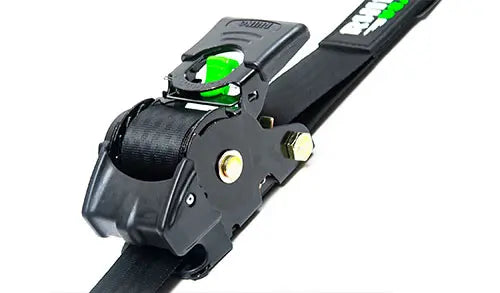
To ensure a secure and reliable transport, it’s essential to invest in high-quality motorcycle tie-down straps. If you are not sure which straps to use, we recommend our 4-Pack Heavy-Duty Ratchet Tie-Down Set, which are specifically designed to keep your bike stable and secure during transportation.
These straps have been tested for their durability and strength, making them an indispensable tool for any motorcycle owner who needs to transport their bike.
In the following sections, we will delve into the specifics of how to safely load, tie down, and transport your motorcycle using these straps and other essential tips.
Preparing for Transportation
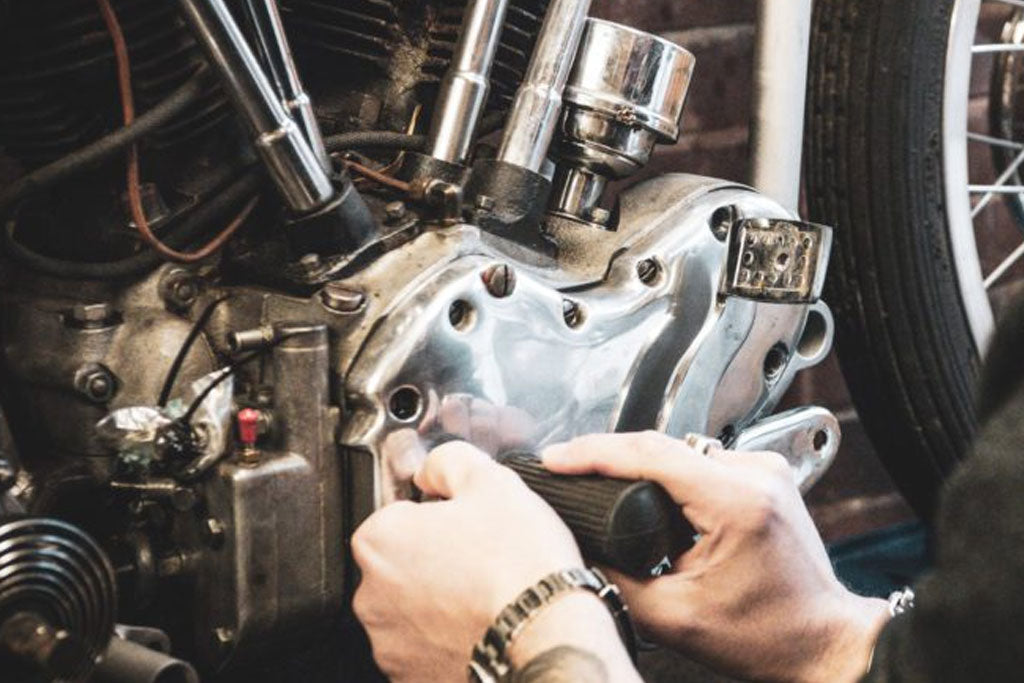
When preparing to transport a motorcycle, several key factors ensure a seamless process. Allow enough time for preparation to help ensure a smooth and stress-free experience.
The first step is selecting the right trailer or truck bed for the job. There are various options available, including open and enclosed trailers, or a suitable truck bed with enough space for the motorcycle. Consider factors such as the motorcycle’s size and weight, weather conditions, and the distance you’ll be traveling when making your selection.
Inspecting the motorcycle is crucial before proceeding with transportation. Check for any loose items that may require removal, such as saddlebags, mirrors, GPS units, toll passes, or other aftermarket accessories. Ensure that your motorcycle is in good working condition and may be safely transported without causing any damage to the vehicle or surroundings.
The importance of gathering necessary equipment cannot be overstated. High-quality equipment ensures the safety and security of your motorcycle during transportation. Motorcycles are considered valuable cargo and should be handled with care. Businesses specializing in motorcycle transport have procedures to ensure safe delivery. Rhino USA Motorcycle Tie-Down Straps are highly recommended as a reliable and durable option to secure the bike. Additional equipment to consider includes:
Wheel chocks: Prevent the motorcycle from moving while on the trailer or truck bed.
Soft loops: Protect the motorcycle’s paint and chrome during the tie-down process.
A ramp: Facilitate safe loading and unloading.
Once you have gathered the appropriate equipment, follow these steps to prepare your motorcycle for transportation:
Secure loose items: Remove any detachable accessories or loose parts from the motorcycle, as mentioned previously.
Wash the bike and document its condition with photos or videos, including the VIN. File these records for insurance purposes.
Remove the battery: Disconnect the battery to prevent potential electrical issues or drain during transit. This should be done in a well ventilated area for safety.
Place the motorcycle on the trailer or truck bed: Using the ramp, carefully guide the bike onto the chosen transportation platform. Most shippers require fuel levels to be at or below 1/4 tank to reduce weight and fire risk.
Position the wheel chocks and soft loops: Ensure the chocks are securely in place and use the soft loops to avoid causing damage when fastening the straps.
Secure the motorcycle with Rhino USA Tie-Down Straps: Attach the straps tightly and adequately, confirming there is minimal movement.
Choosing a Transportation Method
When it comes to motorcycle transportation, selecting the right method is key to ensuring your bike arrives safely and securely. Your best bet will depend on factors like distance, cost, and the type of motorcycle you’re moving. For short trips or transporting a dirt bike, using a truck bed equipped with a wheel chock can be a quick and convenient solution. Just make sure the bed is large enough and the chock keeps the front wheel steady during transit.
If you’re planning a longer journey or need extra protection, a motorcycle trailer is often the preferred choice. Open trailers are great for short hauls, while an enclosed trailer offers maximum security from weather and road debris—especially important for valuable or classic bikes. No matter which option you choose, always use high-quality ratchet straps to keep your motorcycle stable and prevent movement.
For those who want peace of mind or are transporting their motorcycle across state lines, hiring a professional motorcycle transportation service may be worth the investment. While the cost may be higher, you’ll benefit from specialized equipment and experienced handlers who know how to secure your bike for the long haul. Ultimately, the right transportation method will vary depending on your needs, but prioritizing safety and security will ensure your motorcycle arrives in top condition.
Trailer Options
Choosing the right trailer is a crucial step in motorcycle transportation. There are two main types to consider: open trailers and enclosed trailers. Open trailers are a cost-effective option, ideal for short-distance trips or when you need to transport your bike on a budget. However, they expose your motorcycle to the elements, so they’re best used in good weather and for less valuable bikes.
Enclosed trailers, on the other hand, provide the highest level of protection from rain, dust, and road debris, making them the best bet for long-distance transport or when you want to keep your bike in pristine condition. Whichever trailer you choose, make sure it’s equipped with a wheel chock to keep the front wheel forward and the bike upright, as well as secure tie down points for your straps.
Don’t forget to check the trailer’s weight capacity, suspension, and brakes to ensure it can safely handle your motorcycle during transit. A well-chosen motorcycle trailer with the right features will help you transport your bike securely, giving you peace of mind every mile of the journey.
Loading the Motorcycle
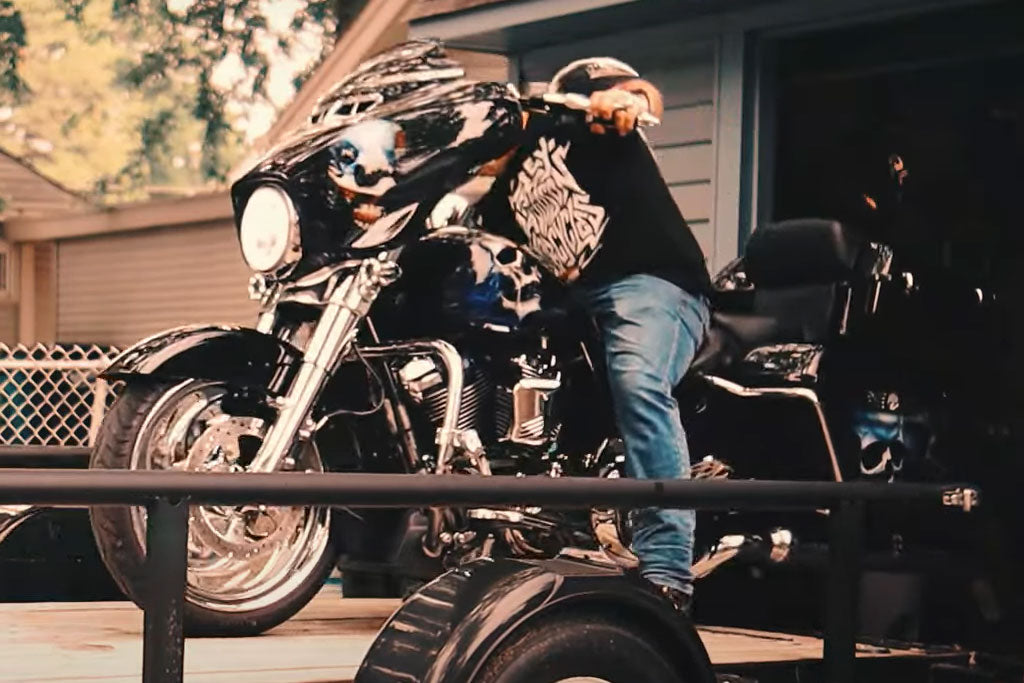
Loading a motorcycle for transport requires proper positioning, planning, and the right equipment. This section will cover the necessary steps and techniques for successfully loading a motorcycle like a pro.
First, prepare the motorcycle for loading. Remove any loose items, such as mirrors, saddlebags, or accessories, to prevent damage during transport. The fuel tank should also be nearly empty to avoid spillages or leaks.
Before loading, make sure the vehicle is parked on level ground and the loading ramp is secured with a safety strap.
Next, select the appropriate ramp to ensure both the safety of the motorcycle and its handlers. The ramp should be sturdy, long enough to reach the desired height, and wide enough to accommodate the motorcycle’s tires. Using a sturdy arched loading ramp prevents the bike from bottoming out during loading. Position the ramp to provide the desired angle, making sure it is secure and stable.
Now, it’s time to load the motorcycle. Approach the ramp with caution and control, maintaining a neutral throttle to avoid sudden acceleration. You may need to carry or guide the motorcycle by the handlebars and head, keeping the front tire straight as you move up the ramp. It’s important to keep an even weight distribution throughout this process. You may want to enlist the help of a friend to guide and support the motorcycle as it ascends the ramp.
Once the motorcycle is successfully loaded onto the trailer or truck bed, place a wheel chock in front of the front tire to prevent rolling. It’s crucial to secure it using reliable tie-down straps, such as Rhino USA’s straps.
Position the motorcycle in a centered, upright position, with its kickstand up. Use soft loop straps to connect the tie-downs to the motorcycle’s frame or secured attachment points, such as the handlebars or forks. Avoid any potentially delicate components, such as brake lines or plastic fairings.
To ensure stability, use the following four-point tie-down method:
The four-point tie-down method uses at least four high-quality ratchet straps, attaching to structurally sound points on the motorcycle, to ensure stability and prevent tipping.
Attach two straps at the front of the motorcycle, pulling them tight and downwards at a 45-degree angle.
Attach two straps at the rear of the motorcycle, again pulling them tight and downwards at a 45-degree angle.
Check the tension of each strap and adjust as necessary, ensuring that the motorcycle remains upright and secure.
Recheck all straps after a short distance of travel to confirm that they remain secure and in place.
After securing the bike, apply the brake lever to prevent the motorcycle from moving during transport. Perform a shake test by grabbing the bike and ensuring it moves with the truck or trailer, not independently.
Securing the Motorcycle
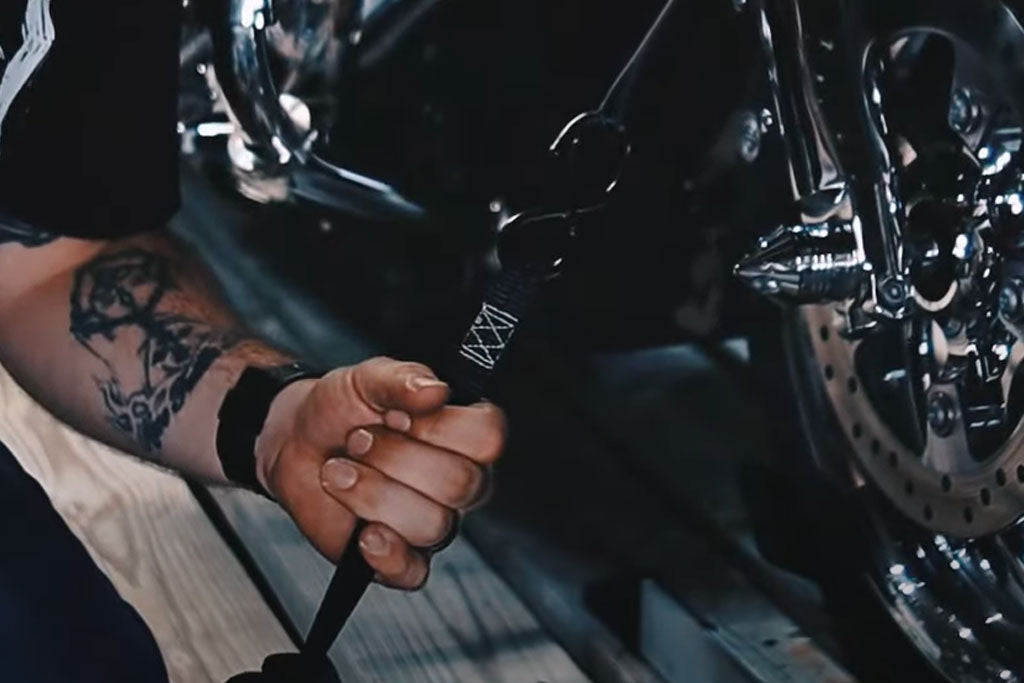
Ensuring the safe and secure transport of your motorcycle is crucial. The first step is to understand the importance of secure tie-down points.
Choose suitable anchor points in the trailer or truck bed, as well as on your motorcycle itself. Engaging in sturdy attachment points, such as the frame or front fork tubes, will help maintain the motorcycle’s stability throughout the journey. Securing the motorcycle in an upright position is essential to minimize shifting or slipping, especially when navigating a corner or bumpy road.
It’s essential to use the correct tension when securing your motorcycle to prevent movement during transit. To do this effectively, follow these steps:
Position the motorcycle in the center of the trailer or truck bed, using a wheel chock to keep the front wheel in place. A pickup truck bed is safest when the bike is centered and secured with at least four tie-down points.
Attach ratchet straps rated for at least half the weight of your motorcycle around the lower triple tree or fork assembly, not the handlebars, to prevent compressing or bending them. Make sure straps are not wrapped around brake lines or wiring to avoid damage. Do not use the kickstand during transport, as it can break or damage the transport floor.
Tighten the front straps until the front forks are compressed approximately one-third of their travel.
For extra stability, wrap the rear tire and attach additional tie-downs. Tie off any excess strap material to prevent it from flapping in the wind and damaging your motorcycle’s paint.
While tying your motorcycle down, use retractable ratchet straps or soft loop straps as they offer better control and security. Using soft loops between the metal hooks of straps and the motorcycle frame helps prevent vibrations from scratching paint or chrome.
Recommended Equipment:
Wheel chock: Keeps the front wheel in place
Tie-downs: Secure motorcycle to anchor points
Retractable ratchet straps or soft loop straps: Offer better control and security; soft loops prevent scratches
Hitch-mounted carrier: Accessory for transporting lighter motorcycles using a vehicle’s hitch receiver
Transit Tips
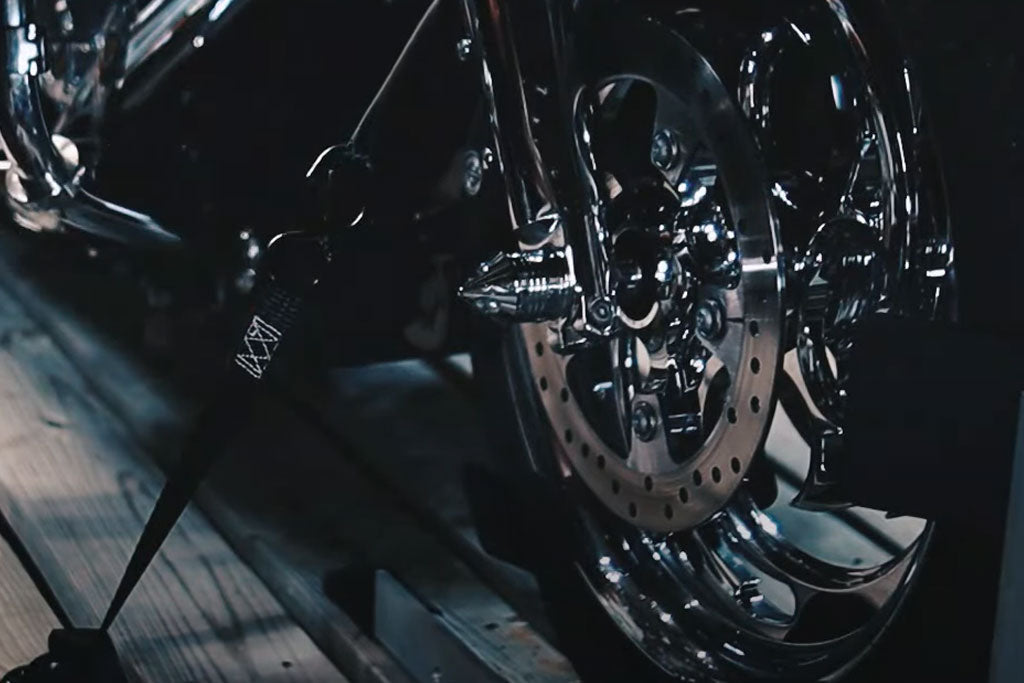
When transporting a motorcycle, there are several key tips to keep in mind to ensure a smooth and secure journey.
First and foremost, drive cautiously to accommodate the motorcycle’s weight and size. This will help prevent any sudden movements that could cause potential damage to the bike.
A person may need to transport a motorcycle for various reasons, such as moving, attending events, or going on vacation. In some cases, speed of delivery is important, so consider transport options that offer quick and reliable service if you need your motorcycle shipped promptly.
In addition, it’s important to check straps periodically during transit. After the first 10–20 miles, stop and recheck strap tensions to ensure nothing has loosened. Make sure that the straps are secure and not loosening, as this can lead to the motorcycle shifting during transportation and potentially becoming damaged.
For added protection, slightly lower the tire pressure to help absorb vibrations during transit. Also, disable any motion-sensitive alarms before transport to prevent battery drain and avoid distracting the driver.
Regular inspections of the tie-downs will provide peace of mind and ensure that the bike remains safe.
Weather conditions should also be a consideration when transporting a motorcycle. Rain, dust, and debris can all impact the condition of the bike, so it’s essential to be mindful of how the weather may affect transportation. If possible, use a cover or protective layer to shield your motorcycle from the elements.
Long-Distance vs. Local Transport
The process of transporting your motorcycle can vary depending on whether you’re moving it across town or across the country. For long-distance trips, it’s essential to plan ahead and choose a reliable transportation method—such as a sturdy trailer or a professional service—to make sure your bike arrives safely. Factor in the cost of fuel, tolls, and possible overnight stays, as well as the extra time needed for the actual move.
For local transport, a truck bed or a motorcycle carrier might be the most convenient and cost-effective options. Regardless of the distance, always use strong straps, tie downs, and secure anchor points to keep your motorcycle stable during transit. Double-check that your bike is properly tied down before hitting the road, and periodically inspect the straps to ensure they remain tight. Whether you’re using a trailer, truck bed, or carrier, taking the time to secure your motorcycle will help you avoid costly damage and ensure your ride is ready to go when you arrive.
Unloading Safely
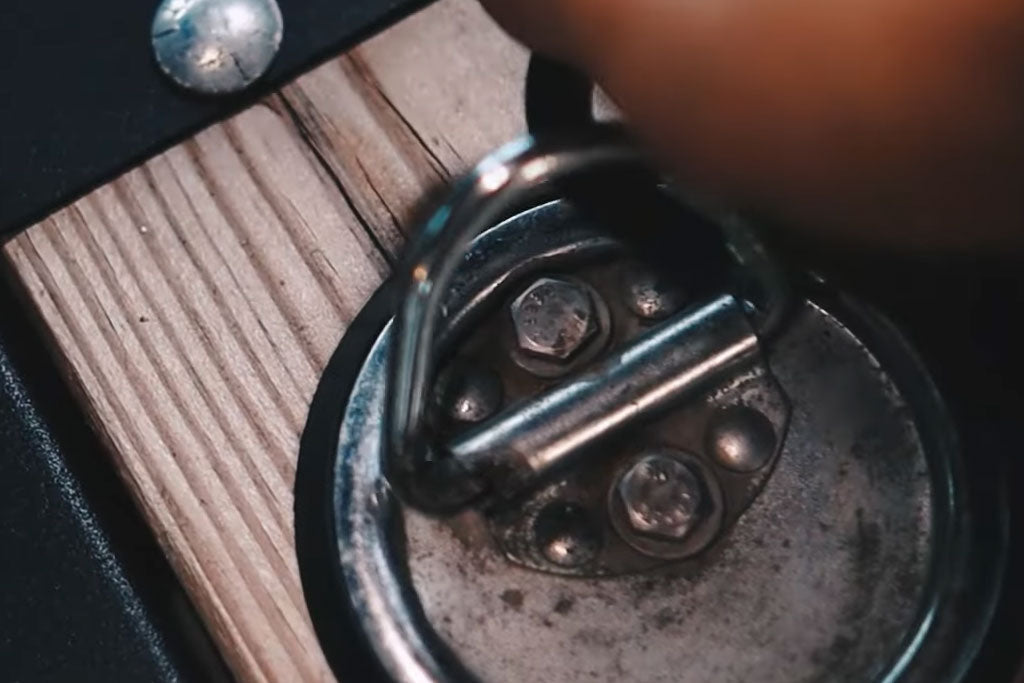
Before you begin unloading your motorcycle, choose a suitable location. Make sure the area is flat and free from any obstructions. This will provide a stable surface and minimize the risk of accidents.
To unload your bike safely, consider using ramps and assistance if needed. Position the ramp carefully, ensuring that it's securely attached to your vehicle. Also, make sure that it's placed on solid, non-slippery ground.
If possible, have an assistant to help guide the bike during the unloading process. This is especially important if you have a heavier bike or you're using a steep ramp.
Once you're ready to start unloading, carefully remove tie-down straps. Follow these steps to avoid any damage to your motorcycle:
Double-check the stability of your bike before releasing any straps.
Release the straps one by one, maintaining a firm grip on the motorcycle.
Keep the bike balanced as you remove the straps, and avoid sudden movements.
Carefully remove the wheel chock once all straps are released.
Common Mistakes to Avoid
Even experienced riders can make mistakes when transporting a motorcycle, but a little preparation goes a long way in ensuring your bike arrives in one piece. One of the most common errors is not securing the motorcycle properly—always use ratchet straps and consider adding additional straps for extra peace of mind. Make sure you’re using the right equipment, whether it’s a sturdy trailer, a well-fitted truck bed, or a reliable set of tie downs.
Another frequent mistake is overlooking the importance of checking weather and road conditions before you transport your motorcycle. Bad weather can increase the risk of damage, so plan your route and timing carefully. Don’t forget to invest in insurance to protect your bike against unexpected events during transit.
Finally, always follow the manufacturer’s instructions for loading and securing your motorcycle, and never rush the process. By taking the time to prepare, using the right gear, and double-checking your setup, you’ll safely transport your motorcycle and enjoy a worry-free ride at your destination.
Maintenance After Transport
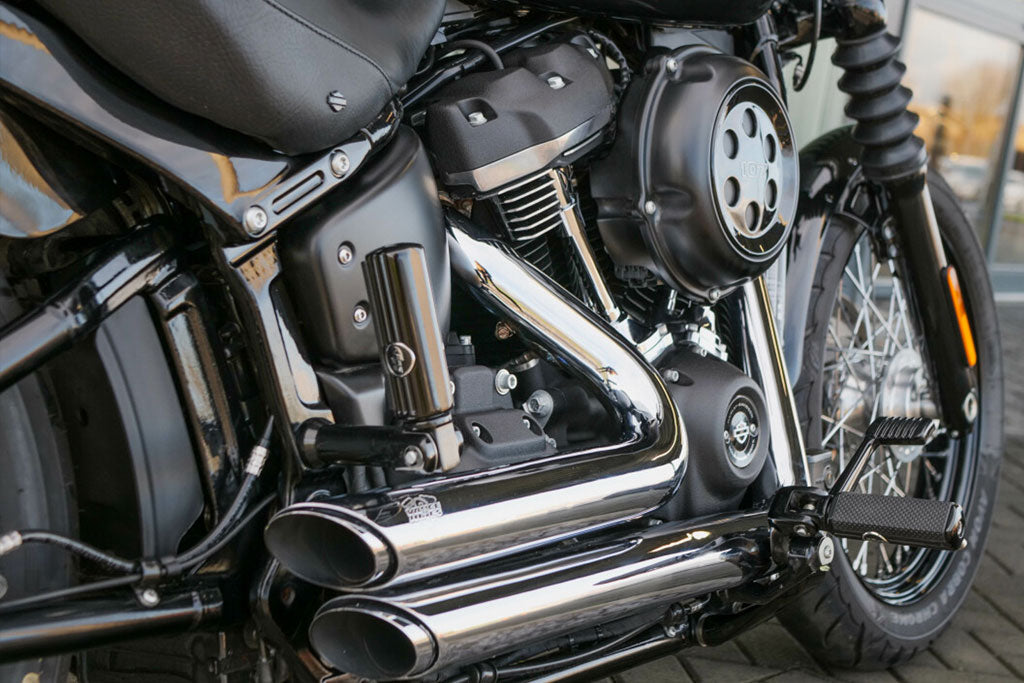
Once you've successfully transported your motorcycle, it's necessary to perform proper maintenance to ensure its functionality and preserve its condition. Three important steps are included in the post-transport maintenance process; inspecting the motorcycle for any signs of damage, cleaning it thoroughly, and storing tie-down straps properly for future use.
1. Inspecting the Motorcycle for Damage
After unloading your motorcycle from its trailer or truck bed, take the time to meticulously inspect it for any signs of potential damage that could have occurred during transport. Check the following components:
Tires: Look for punctures, cuts, or embedded debris.
Fluids: Check for leaks or spills, and ensure fluid levels are within the recommended range.
Brakes: Confirm their responsiveness and check for unusual sounds or inconsistencies.
Lights: Verify that headlights, taillights, and indicators are functioning correctly.
2. Cleaning the Motorcycle
Transporting your motorcycle may expose it to various contaminants, such as road grime, dirt, or debris. To maintain appearance and prevent corrosion, it's essential to clean your motorcycle after the transport. Follow these steps:
Use a mild soap or dedicated motorcycle cleaner to remove stubborn dirt and grime.
Thoroughly rinse your motorcycle with water to eliminate soap residue and dust.
Dry the motorcycle using a clean, soft cloth to avoid water spots and prevent rusting.
Apply a protective wax or polish to the surface to enhance its appearance and protection.
3. Storing Tie-Down Straps
Proper storage of your Rhino USA Motorcycle Tie-Down Straps not only extends their lifespan but also ensures their reliability in future motorcycle transports. Follow these guidelines for optimal storage:
Inspect straps for any signs of wear, tear, or fraying, and replace them if necessary.
Keep the straps away from direct sunlight, as UV rays can weaken their material over time.
Store the straps in a dry, cool area to prevent mildew or moisture damage.
Roll or fold the straps neatly to avoid tangles and maintain their integrity for future use.
Conclusion
In conclusion, to transport a motorcycle like a pro, it is crucial to follow essential guidelines for safe and secure transportation.
Firstly, ensure that you use appropriate equipment like Rhino USA Motorcycle Tie-Down Straps to minimize any risk of damage to your motorcycle during the process.
To recap, some key points to consider when transporting your motorcycle include:
Properly securing your motorcycle with durable and reliable straps.
Using a suitable transportation method, such as a motorcycle trailer, designed specifically for carrying bikes.
Routinely checking and maintaining both the motorcycle and the transportation equipment.
Double-checking slack and ensuring stability before embarking on your journey.
By carefully applying these tips, motorcyclists can ensure stress-free transportation and protection for their prized possessions.
Ultimately, attention to detail and emphasis on quality equipment and methods will lead to well-executed motorcycle transportation.
- Choosing a selection results in a full page refresh.