

How to Use a Soft Shackle for Off-Road Recovery
If you’re an off-roader, UTV or 4x4 owner, understanding how to use a soft shackle is essential for safe and effective vehicle recovery. This guide covers what a soft shackle is, why it’s a safer alternative to traditional metal shackles, and step-by-step instructions for using a soft shackle in real-world recovery scenarios. The topic matters because using the right recovery gear can mean the difference between a safe recovery and a dangerous accident—soft shackles offer modern convenience, enhanced safety, and are quickly becoming a must-have for anyone venturing off-road.
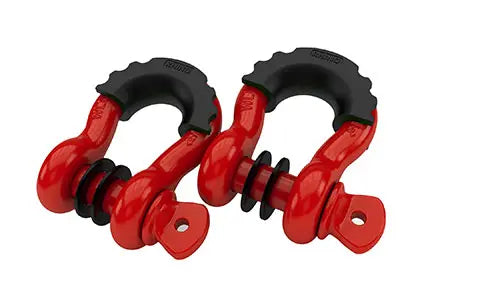
Why Metal Shackles Can Be Dangerous
You’re in the middle of recovering your stuck vehicle with some metal D-Ring Shackles as suddenly you hear a snap. Your recovery rope has snapped and now your metal shackles are flying through the air at top speed and crash through the windshield of your vehicle.
This scenario is something that you hope never happens to you, however, accidents do happen. If something like this has happened to you, you know how terrifying it can be to have a heavy metal object flying at you or a loved one with nothing being able to do to stop it. Unfortunately, scenarios like this when recovering are not uncommon, but they can potentially be preventable and life-saving with a change of equipment.
Metal shackles are often referred to as 'hard' shackles due to their toughness and durability, but this also means they can store a lot of energy, which is dangerous if they break during a pull.
Benefits of Soft Shackles
If you happen to be someone who either has metal shackles or is in the market for shackles for recovery, looking into purchasing soft shackles may be beneficial to you for your safety. Metal shackles are heavier, bulkier, and more resistant to abrasion and damage than soft shackles, but their weight and stored energy can pose significant safety risks. Soft Shackles are similar to metal shackles, but they are not made of metal. Due to this, the hazard of being hit by one is significantly less dangerous. Soft shackles are a lightweight, versatile means of connecting recovery gear, and are becoming a key part of the four wheel driver's toolkit. They have been used for many years, with origins dating back hundreds of years ago in sailing. Rhino USA’s 3/8” Synthetic Soft Shackles have a break strength of 46,250 lbs and a working load limit of 15,416 lbs.
Key benefits of soft shackles:
-
Extremely lightweight
-
Floats in water and mud
-
Won’t scratch your vehicle’s paint
-
Easy to carry and store (compact size fits under your seat or in your glove box)
-
Safer than metal shackles due to reduced stored energy
Soft shackles are easy to carry and store, making them a practical solution for off-roaders.
Every recovery situation is unique and requires different approaches and equipment. It is important to ensure that the recovery points used with soft shackles have a suitable radius and no sharp edge or steel edge, as sharp edges can cut or damage the shackle. Prolonged dragging of soft shackles over sharp rocks or steel edges can cause abrasion damage or even cut the shackle, rendering it useless.
When connecting a soft shackle, for the most part, the knot should be positioned correctly for a stronger and more secure connection.
Featured Product: Rhino USA Synthetic Soft Shackles
Aside from being a safer alternative to metal shackles, they are also extremely lightweight and even float. If you tend to be in wet conditions involving water or mud and struggle with sinking metal shackles or losing them in the terrain, soft shackles will float, which may make your recovery much easier.
Also, along with being lightweight and non-metal, you will have no fear of scratching your paint with soft shackles recovery. Due to their material, they should not harm your vehicle or paint.
Soft shackles are easy to carry and store because they are small and lightweight, making them a helpful addition to any recovery kit. Their compact size means you can easily fit them under your seat or even in your glove box, and some units come with a carrying bag for added convenience. This makes it simple to keep your essential recovery gear organized and ready to go. As a UTV or 4x4 owner, soft shackles are basically must-have, and that is why they made our list of top 5 essential UTV recovery gear.
When choosing a soft shackle, keep in mind that different units are available, such as light duty and extreme duty units, to suit various load ratings and intended uses. The minimum breaking strength of the soft shackle must be appropriate for the weight of the vehicle and the recovery scenario.
If you happen to have already purchased soft shackles, but are not sure how to use them, with our step by step guide you will be on the road to recovery in no time. Watching a helpful video or viewing a photo demonstration can also make learning how to use a soft shackle even easier.
Now that you understand the benefits and safety considerations, let's look at how to use a soft shackle in practice.
How To Use a Soft Shackle in 5 Easy Steps
To use a soft shackle, you slide the eye down, make the eye bigger, and put the knot through the loop to tighten it.
Step 1: Inspect the Soft Shackle
-
Inspect your soft shackle for wear and tear before use, thinking through the recovery scenario and ensuring you have the right rigging setup for your needs.
Step 2: Prepare the Eye
-
Feed the eye of the soft shackle down to make the eye bigger, then connect the shackle by looping it around the tow/recovery point, bumper, or hitch link, avoiding sharp or steel edges that could cut the shackle.
Step 3: Attach the Recovery Line
-
Add the loop for your tow strap, kinetic rope, or winch line, ensuring the line is properly positioned for a secure pull.
Step 4: Secure the Knot
-
Put the knot of the soft shackle through the loop, then pull the knot tight to prevent any slip under load. To secure the knot, the diamond knot should be passed completely through the shackle's loop before cinching tight. Make sure the knot is positioned correctly for a stronger connection.
Step 5: Proceed with Recovery
-
Once the tow strap, kinetic rope, or winch line are securely fastened, proceed with caution during recovery, using proper rigging techniques and paying close attention to safety.
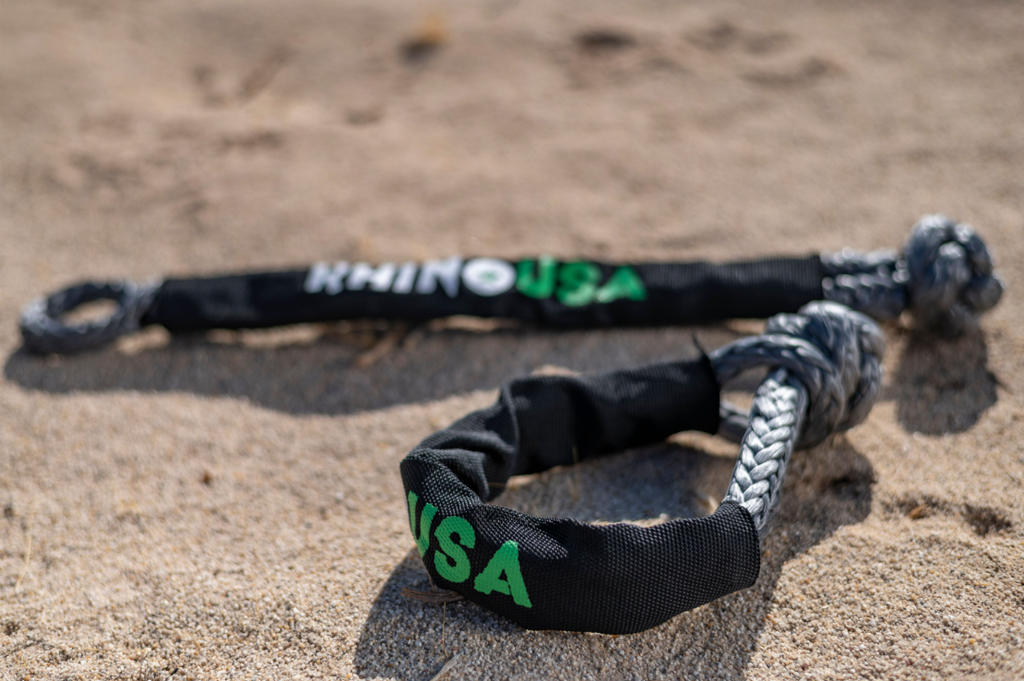
Note: If the knot is not pulled tight enough, it may slip under load. The ideal strength of a soft shackle might approach four times the line strength due to its design, with two lines on each side. Always consider the factor of safety and choose the right unit for the job. When using a winch or winch line, the soft shackle can be used to connect the line to a recovery point, bumper, or hitch link, and proper rigging is essential for safety. Avoid dropping the soft shackle on sharp or abrasive surfaces to prevent damage. If referencing diagrams or instructional guides, use the frame as a reference point for measurements or steps. Every recovery situation is unique, so thinking through your setup and adapting your connection methods is crucial.
The soft shackles also have other beneficial uses such as attaching two tow straps together or as part of winch line play and rigging setups. If the Rhino USA soft shackle seems like something that you may be interested in, but still are not sure, they offer a 100% money back guarantee if you are not 100% satisfied with your purchase and also include a lifetime warranty.
Soft Shackle Maintenance Best Practices
Keeping your soft shackle in top condition is essential for safe and effective off-road recovery. Just like any piece of recovery gear, a soft shackle needs regular attention to ensure it’s ready when you need it most. Inspect soft shackles before use for fraying, cuts, or signs of UV damage. Start by inspecting your soft shackle before and after each use—look for any signs of wear, such as fraying, cuts, or abrasion along the rope. Even a small bit of damage can compromise the strength of your device, so it’s important to catch issues early and avoid using a shackle that isn’t in proper condition.
After a recovery, simply clean your soft shackle with mild soap and water to remove dirt, sand, or debris that may have collected during the process. Avoid harsh chemicals or abrasive brushes, as these can weaken the fibers and reduce the load capacity of your equipment. Once clean, let your soft shackle dry completely before storing it. Keeping it in a protective bag or container helps shield it from sharp edges, UV exposure, and moisture, all of which can cause unnecessary damage over time.
When attaching your soft shackle to a recovery rope or vehicle, always follow the manufacturer’s instructions and double-check that the knot is properly secured. Make sure the shackle isn’t twisted or pinched at any point, as this can create weak spots and reduce the effectiveness of your recovery kit. It’s also a good idea to periodically review the load rating and certification of your soft shackle to ensure it matches the demands of your recovery gear and the weight of your vehicle.
If you notice any excessive wear, damage, or if the shackle has been subjected to a heavy load during a tough recovery, it’s best to replace it rather than risk a failure in the field. Remember, the safety of your recovery process depends on the reliability of every piece of equipment in your kit.
In conclusion, taking a few simple steps to maintain your soft shackle can make a big difference in the safety and success of your recovery operations. By regularly inspecting, cleaning, and properly storing your soft shackle, you help ensure your recovery gear is always ready to perform when you’re stuck and need it most. Treat your soft shackle with care, and it will remain a dependable part of your recovery kit for years to come.

Frequently Asked Questions About Soft Shackles
What is a soft shackle?
A soft shackle is designed to connect two objects together, typically attaching a recovery rope to a vehicle. Soft shackles are a faster, lighter alternative to a d-ring shackle. They are often used for off-road recovery situations involving a tow strap, kinetic rope, or winch line, and they are also used in boating as a replacement for carabiner, quicklink, or shackle. The construction of a soft shackle involves a loop and a knot, typically made from braided synthetic rope. Soft shackles are made up of a knot on one end and an eye or splice on the other end, which is used to pass the knot through for a secure connection.
What size soft shackle do I need?
Most recovery soft shackles are around 22” long, however, when talking about soft shackle size, we are most often referring to its diameter or thickness. The thickness of a soft shackle can determine its working load limit and max breaking strength. Deciding which size soft shackle is needed depends on the weight of the vehicle being recovered or the load being forced onto the connection. The minimum breaking strength of the soft shackle must be appropriate for the weight of the vehicle and the recovery scenario. Rhino USA offers 1/2” and 7/16” soft shackles, which feature different load limits and break strengths.
- Choosing a selection results in a full page refresh.