







OHV Areas in Oregon: The Top Trails & Tracks
Oregon, renowned for its lush landscapes and diverse ecosystems, offers a multitude of outdoor recreational opportunities. Among these, Off-Highway Vehicle (OHV) areas stand out as thrilling destinations for enthusiasts seeking adventure on wheels. These areas are specifically designed and managed to accommodate a variety of OHVs, including dirt bikes, UTVs and ATVs, and side-by-sides, providing a controlled environment where riders can enjoy the sport safely and responsibly. Oregon has over 50 designated riding areas for OHVs, many of which are located on public lands and offer a variety of camping and riding options.

The state boasts several OHV parks and trail systems that cater to riders of different skill levels, from beginners to the most experienced. These parks often include clearly marked trails, staging areas, and facilities aimed at enhancing the riding experience. In addition, these areas often include amenities such as maps and staging area facilities. Moreover, Oregon’s dedication to preserving natural habitats means that OHV areas are maintained with a focus on environmental stewardship, ensuring that the thrill of riding is balanced with ecological sustainability. Most designated riding areas receive regular funding from fuel taxes and ATV sticker sales, which helps maintain trails and facilities.
OHV areas in Oregon provide an economic boon to rural communities, drawing visitors from across the region. The state’s varied terrain—from coastal dunes to forested mountain paths—guarantees a unique ride almost every time. Riders are urged to comply with state regulations and local rules, as well as to practice Leave No Trace principles to minimize their impact on these natural playgrounds. Many designated riding areas provide maps that can be accessed online, and visitors should visit these sites to access up-to-date maps and information.
Key OHV Areas in Oregon
Oregon offers a diverse range of terrain for off-highway vehicle (OHV) enthusiasts. From coastal sands to forest trails, these areas are designed to provide thrilling rides and adventure. Here, visitors will find a variety of landscapes, including coastal sand dunes, high-desert trails, and dense mountain forests. Popular riding types in Oregon include trail riding, duning, hill climbing, and technical rock crawling. Key locations for OHV riding in Oregon include the Tillamook State Forest, Oregon Dunes National Recreation Area, and Millican Valley.
Sand Lake Recreation Area

Sand Lake Recreation Area provides a mix of open dunes, surrounded by forests. It covers approximately 1,076 acres of dune field and is a popular spot for ATVs, UTVs, Dirt Bikes, Jeeps, and more. Dispersed camping is available at Sand Lake OHV, allowing visitors to rest and stay overnight after a day of riding. Sand Lake is also known for its large section of dunes and trails through trees.
Oregon Dunes National Recreation Area
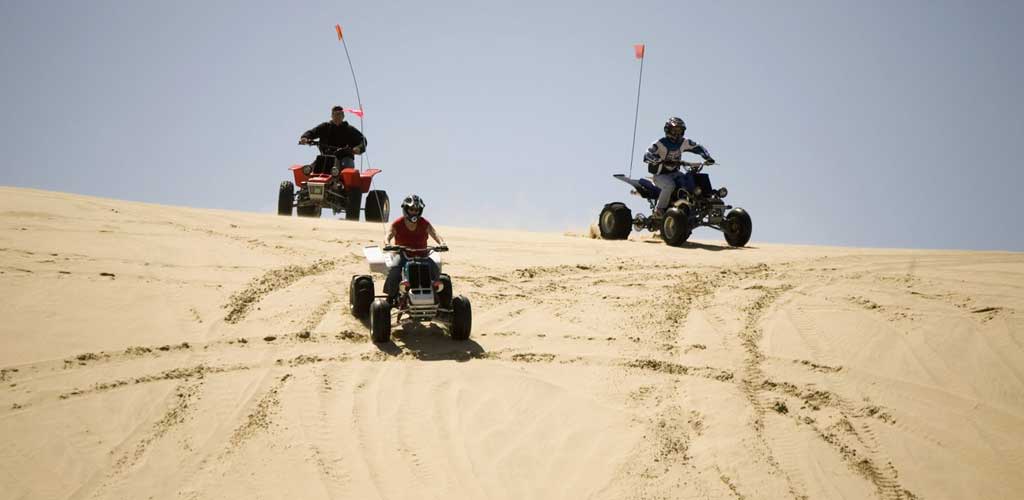
The Oregon Dunes National Recreation Area is one of the largest coastal dunes in North America. Spanning over 40 miles along the coast, this area offers riders spectacular views and a variety of dune-riding experiences. There are lots of riding opportunities here, with over 7,500 acres of sand dunes available for ATV/UTV riding.
Browns Camp OHV Area

Located in the Tillamook State Forest, Browns Camp OHV Area offers a network of trails for riders of all skill levels. It features challenging hill climbs and mud puddles, with a mix of forested routes for added scenic enjoyment.
Browns Camp OHV area features a complete network of 145 off-road trails that range from easy to very difficult, making it accessible for both beginners and experts. Browns Camp, Jordan Creek, and Diamond Mill OHV areas in Tillamook State Forest offer more than 250 miles of riding opportunities. Browns Camp offers both paid and free dispersed camping options for visitors, and free day-use is available for those not occupying campsites. Additionally, Browns Camp, Jordan Creek, and Diamond Mill campgrounds provide overnight and day use opportunities near OHV areas.
East Fort Rock OHV Trail System

The East Fort Rock OHV Trail System boasts over 300 miles of trails through high desert scenery. It caters to ATVs, dirt bikes, and side-by-sides, providing riders with a vast landscape to explore. The nearby Millican Valley OHV Trail System features 255 miles of trails and three play areas. Trail conditions in these OHV areas in Oregon can range from fair to challenging, and the weather plays a huge part in how difficult the trails can be, especially with rain 8-9 months out of the year and snow 3-4 months during the winter.
Safety Guidelines for OHV Riders
When setting out to explore Oregon’s extensive network of ATV trails, especially in popular destinations like the Willamette National Forest, Tillamook State Forest, and Browns Camp, safety should always come first. Riders of all skill levels should gear up with a DOT-approved helmet, gloves, sturdy boots, and protective clothing to reduce the risk of injury. Before you ride, honestly assess your experience—some trails offer a mix of easy and difficult routes, so choose those that match your abilities. Browns Camp, for example, is known for its variety, making it a great spot for both beginners and those seeking a more challenging ride.
Year round riding in Oregon means you’ll encounter everything from muddy winter trails to dry, dusty summer routes. Always check the weather and trail conditions before heading out, and be prepared to adjust your plans if conditions become too difficult. Carry a detailed map of the area, a compass, and a first aid kit, and let someone know your route and expected return time. Whether you’re exploring deep forest trails or open camp areas, staying prepared ensures your adventure remains safe and enjoyable all year long.
Environmental Considerations
Oregon’s OHV areas, from the lush forests of northwest Oregon to the sweeping dunes, are treasures that require careful stewardship. When riding in places like the Tillamook State Forest, always stick to designated trails and avoid venturing into sensitive habitats. This helps prevent erosion and protects the diverse wildlife that calls these lands home. Whether you’re traversing gravel roads or navigating tight single track, keep your speed in check and avoid spinning your tires, which can create ruts and damage the terrain.
Fire safety is especially important in forested areas—respect all closures and restrictions, particularly during fire season, to help prevent wildfires and preserve the forest for future riders. By following the “Tread Lightly” principles and leaving each area as you found it, you’ll help ensure that Oregon’s OHV lands remain open and beautiful for years to come. Responsible riding not only protects the environment but also enhances the experience for everyone who enjoys these unique trails.
OHV Riding Etiquette
Sharing Oregon’s trails and staging areas with other OHV riders, hikers, and even horseback riders means practicing good etiquette is essential. Always yield to those with the right of way, and slow down when passing others to minimize dust and noise. In remote areas or near local communities, keep noise levels down and avoid riding at night unless absolutely necessary, as this helps maintain good relationships with nearby residents and fellow outdoor enthusiasts.
At camps and staging areas, keep your site clean and respect posted rules. Beginners should consider starting with easier trails and gradually working up to more challenging routes—don’t hesitate to ask for tips from more experienced riders. By following these simple guidelines, you’ll help create a welcoming atmosphere for everyone and ensure that OHV riding remains a privilege enjoyed by all.
OHV Riding Gear and Equipment
Before you hit the trails in Oregon, make sure you’re equipped for both safety and comfort. Choose an ATV or OHV that matches your skill level and is suited to the terrain you’ll be exploring—rugged trails in the Willamette National Forest, for example, may require more aggressive tires and a solid suspension setup. Essential protective gear includes a helmet, gloves, boots, and eye protection, all designed to keep you safe on the ride.
Pack a basic tool kit, spare parts, and a first aid kit, and always check that your vehicle is in top condition before heading out. For navigation, bring a detailed map, compass, and a GPS device or smartphone with a reliable GPS app—knowing your route is key, especially in remote forest areas. Finally, check the weather forecast and dress appropriately for the conditions, whether you’re facing rain, mud, or sun. With the right gear and preparation, you’ll be ready to enjoy Oregon’s diverse OHV trails to the fullest.
OHV Community and Events
The OHV community in Oregon is vibrant and active, with numerous clubs, annual gatherings, and racing events fostering a sense of camaraderie and competition among off-highway vehicle enthusiasts. Many OHV events are perfect for a day trip, allowing participants to enjoy the trails and return to town the same day. Some events take place near local towns, making them easily accessible for visitors. Community rides, such as those on the Oregon BDR Section 5, offer opportunities for solitude and remote camping amid stunning scenery. Leslie Gulch Road is also a favorite among the community for its dynamic landscape and breathtaking views.
Annual OHV Gatherings
Every year, several significant OHV events take place across Oregon, drawing large crowds:
-
Oregon Dunes Fest at Oregon Dunes National Recreation Area offers activities like sand drag races and treasure hunts in July.
OHV Racing Events
OHV racing is a popular competitive activity, with events for all skill levels:
-
Eddieville Motorsports Park Grand Prix Series features motorcycle and ATV races on a natural terrain GP track.
-
ATV Motocross National Championship at Albany Motorsports Park presents high-speed ATV racing and classes for amateurs and pros alike.
- Choosing a selection results in a full page refresh.