




Top 5 Overland Trails in the USA: Incredible Overlanding Destinations
This guide explores the best overland trails in the USA for adventure seekers, from historic pioneer routes to modern off-road destinations. Whether you're a beginner or experienced overlander, discover top trails, preparation tips, and essential gear for your next journey. If you're searching for the best overland trails in the USA, you'll find everything you need to plan your next adventure right here.
Introduction to Overlanding
Overlanding is self-sufficient vehicle-based travel, often requiring a high-clearance 4WD vehicle and the ability to be self-sufficient in remote areas lacking cell service. More than just a road trip, overlanding is a journey into the heart of America’s wildest and most breathtaking landscapes. At its core, overlanding is about exploring remote regions, often by four-wheel drive, and immersing yourself in the adventure of the open trail. Whether you’re winding through the rugged mountains of Colorado on the iconic Alpine Loop or traversing the scenic valleys of Utah, overland routes offer a unique way to experience the great outdoors.
The best overland routes in the USA cater to every level of adventurer. For those seeking a taste of the Midwest, the Trans Wisconsin Adventure Trail provides a mix of forest roads, gravel tracks, and river crossings, all set against a backdrop of rolling hills and dense woodlands. Meanwhile, the Alpine Loop in Colorado is renowned for its high-altitude passes and panoramic views of the San Juan Mountains—a must for anyone craving breathtaking views and a true sense of adventure.
No matter your experience level, there’s an overland trail waiting for you. From the high deserts of Utah to the snow-capped peaks of Colorado, these routes invite you to explore, discover, and create unforgettable memories on the road less traveled.
History of Overland Trails
Many of the best overland trails in the USA have a rich history dating back to the 19th century, when American pioneers built these paths as alternatives to sea and railroad transport. Fur traders and Native Americans played a crucial role in the early exploration and use of these routes, helping to establish the region of the American West as a central corridor for migration and trade. Settlers emigrating from the eastern United States traveled west via the Oregon, California, and Mormon Trails, and historians estimate that at least 500,000 emigrants used these paths between 1843 and 1869. The journey for these travelers was often slow and arduous, with risks from disease, dehydration, and harsh weather. Even today, the remains of many trail ruts can still be observed throughout the American West, serving as reminders of these historic journeys. The Oregon Trail was the longest of the overland routes used in the westward expansion, while the California Trail saw heavy use after the Gold Rush, drawing over 250,000 gold-seekers. The Mormon Trail was vital for settlement in what is now Utah, the Santa Fe Trail served as a commercial highway until the railroad reached Santa Fe in 1880, and the Old Spanish Trail linked Santa Fe and Los Angeles as a trade route between 1830 and 1848.
Preparing for an Overland Adventure
Embarking on an overland journey requires more than just a sense of adventure—it demands careful planning and preparation. Before you hit the trail, it’s essential to research your chosen overland routes, check current weather conditions, and ensure your vehicle is ready for the challenges ahead.
Vehicle Preparation
Some trails, like the High Water Mark Trail in Arkansas, are known for their rugged terrain and require a high-clearance 4WD vehicle. Others, such as the California Distance—a legendary route stretching from the Mexican border all the way to Oregon—test your endurance and resourcefulness over hundreds of miles. Similarly, the Utah Distance and Alaska Distance offer their own unique obstacles, from unpredictable weather to remote stretches where fuel and supplies can be scarce.
Route Planning
To make the most of your overland adventure, pack wisely: bring enough food, water, and essential gear to handle unexpected situations. Double-check your vehicle’s condition, paying special attention to tires, suspension, and recovery equipment.
Essential Gear
Here’s a quick checklist of essential overlanding preparations:
-
Carry plenty of water, especially in remote areas with limited water sources.
-
Bring recovery gear, including tow straps, shackles, and a shovel.
-
Have a full-size spare tire and a tire repair kit.
-
Carry physical maps, as cell service may be unreliable in remote areas.
-
Check weather and trail conditions before departure.
-
Be self-sufficient: bring extra fuel, food, and navigation tools.
-
Consider a satellite communication device for emergencies.
-
Stay informed about local regulations and camping restrictions.
By preparing thoroughly, you’ll be ready to tackle any trail—whether you’re crossing the deserts of California, navigating the wilds of Oregon, or venturing north into Alaska. Every journey is different, but with the right preparation, you’ll be set for an unforgettable adventure.
With your preparations complete, let's explore some of the best overland trails in the USA.
The Best Overland Trails in the USA
Below is an expanded list of the best overland trails in the USA, featuring both classic and modern routes for every skill level:
1. Valley Of The Gods Road in Utah

The Valley of the Gods Road, located in the southeastern region of Utah near Mexican Hat, is only 17 miles long, but the scenery is so spectacular it deserves a place on this list. As you drive along it, you’ll experience some of the finest natural beauty that Utah, Colorado, and Arizona have to offer.
If you are new to overlanding, the Valley of the Gods is a good place to start. Most of the route is a well-maintained dirt track. And, because of the low rainfall, mud and swamp are unlikely.
This region is also known for its dispersed camping opportunities, allowing visitors to enjoy remote camping experiences along the route. It’s also a very quiet place. Despite offering one of the best adventure loops in the country, the Valley of the Gods dirt road is usually deserted, making it a great option for anyone looking to get away from it all.
The track begins around 7.5 miles north of Mexican Hat on Highway 163. Drivers turn off at the fork and then follow it to Highway 261. At the end of the trail, they have the option to continue onto the Moki Dugway, a section of tight switchbacks that climb up Cedar Mesa. The best time to visit is in spring (March to early June) and fall (September to October) for optimal weather and scenery.
Despite being relatively unknown, the Valley of the Gods has been featured in several TV shows, including CBS’s Airwolf and the BBC science fiction show Doctor Who. Moreover, unlike the nearby Monument Valley, there are no tribal restrictions on where you can go.
2. The Idaho Backcountry Discovery Route

The Idaho Backcountry Discovery Route (BDR) sits at the other end of the spectrum. This epic off-road trail provides access to some of the most remote wilderness areas in the region, running for more than 1,250 miles and taking most drivers eight to fourteen days to complete, which is the typical trip duration.
The route consists largely of dirt roads and gravel tracks, offering rugged terrain for those looking to traverse Idaho's diverse landscapes. A notable segment is the Magruder Road Corridor, a 101-mile stretch of remote, unmaintained gravel road through wilderness along the route.
The best time of year to go is July through October. Temperatures are reasonable, and rainfall is generally low.
Most overlanders start their adventure at the southern end of the route in Jarbidge, NV. They then make their way north until they hit the Idaho town of Porthill on the Canadian border.
Local state and municipal authorities maintain the Idaho BDR to a reasonable standard. Therefore, you shouldn’t need a modified 4x4 – a standard vehicle will suffice. Just watch out for forest fires, logging, and fallen trees along the route.
MUST READ: 4 Best Cheap Overlanding Vehicles under $10,000
3. The Transamerica Trail

The Transamerica Trail is a carefully planned course and historic path that traverses multiple regions of the United States, making it the ultimate destination for any overlander wanting to relive the experience of early pioneers making their way out west. This 5,000-mile coast-to-coast route is favored by dual-sport motorcycles and light 4x4s, offering a mix of scenic vistas and unique attractions across diverse terrain. As you follow the path, you'll pass through numerous small towns and communities, each adding local culture and history to your journey. The typical trip duration to complete the entire trail is several weeks, depending on your pace and chosen stops. The western half of the trail presents unique challenges, such as water crossings and changing terrain, requiring careful planning and navigation. Along the way, you’ll face various challenges, including mud, sand, snow, and rocks, and several trail surfaces, such as gravel, dirt, farm, and paved roads.
The trail starts in Eastern Tennessee at the Tellico Plains. It then runs through Mississippi, Arkansas, Oklahoma, New Mexico, Colorado, and Idaho, finishing on the Oregon coast at Battle Rock near Port Orford.
The cool thing about the Transamerica Trail is how it gives you options. While the traditional route begins in Tennessee, you can now travel 4x4 from coast to coast, thanks to the Atlantic Ocean spur (a new addition) and the Oregon spur. You can also drive along the Shadow of the Rockies, a section linking the northern and southern east-west trails, cutting out the part of the loop that goes into the mountains.
All tracks are multi-directional and navigable with GPS. Parts of the trail are waymarked, making navigation even easier.
4. The Trans-Wisconsin Adventure Trail
Running between Hazel Green and Point Detour, the Trans-Wisconsin Adventure trail is more than 600 miles long and offers some of the most challenging off-road terrain in the U.S. You can go virtually any time of the year except winter.
The route comprises a mix of grass, dirt, gravel, and sandy tracks, plus some forest fire roads. After rainfall, certain sections can become muddy and challenging, requiring careful navigation. We chose to include it because you can do it without a 4x4 (though you’ll still need some advanced driving skills).
The typical trip duration for the Trans-Wisconsin Adventure Trail is around two and a half days. Completing the trail often means a long day of driving, especially if you tackle the more difficult sections. Most of it is relatively easy paved and gravel roads. However, there are some more challenging sections to keep you on your toes. Beware of the deep sand near the Black River falls since this is where you are most likely to get stuck.
For comparison, the Trans-New Hampshire Overland Adventure Route covers about 500 miles and features a mix of logging roads and technical terrain, offering a different but equally rewarding overland experience.
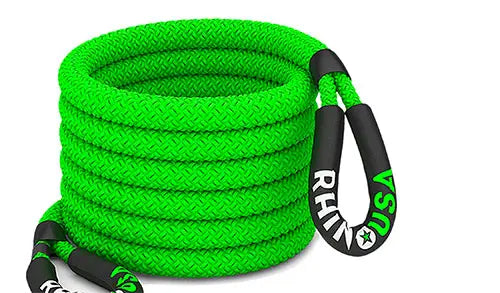
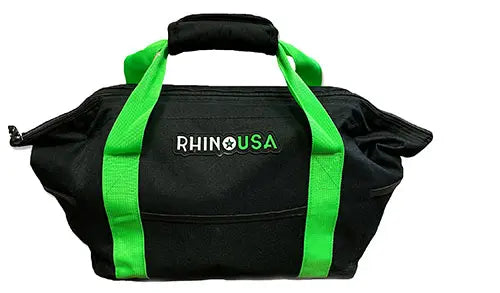
Featured Product: Rhino USA JEEP/BRONCO/TRUCK Ultimate Kinetic Recovery Kit

5. White Rim Trail in Canyonlands National Park

The White Rim Trail in Canyonlands National Park is a 110-mile route that offers spectacular views across Utah. The best time to travel the White Rim Trail is in late spring, summer, or fall. The trail is rated Moderate-Advanced in difficulty and requires a high-clearance 4WD vehicle. Cell service is limited or non-existent along the route, so do not rely on mobile phones for communication. Carrying physical maps and/or GPS devices is highly recommended for navigation. Self-sufficiency is essential: bring extra fuel, plenty of water, recovery gear, food, a full-size spare tire, and a tire repair kit. Satellite communication devices are useful for emergencies in these remote areas.
Camping is allowed along the trail with a permit, but be sure to stay informed about local regulations and camping restrictions. Many parts of the trail can flood when the Green River spills over its banks, so always check road conditions before you travel, as the route can become impassable after heavy rains.
You can do the trail in one day, but it is difficult. You’ll need to set off early and get back late. Furthermore, you’ll need to obtain a day-use permit. Only 50 are available per day, and you can only get them 24 hours in advance.
6. Mojave Road (California)
The Mojave Road is a legendary 140-mile overland route stretching from the Colorado River near Needles, California, to the Mojave River near Barstow. Best traveled in spring or fall to avoid extreme heat, this trail offers a mix of sandy tracks, rocky sections, and historic sites. The route is suitable for high-clearance 4WD vehicles and is known for its remote desert beauty and unique landmarks like the Mojave Mailbox.
7. Rubicon Trail (California)
The Rubicon Trail is one of the most famous and challenging 4x4 trails in the world, spanning 22 miles through the Sierra Nevada. Known for its technical rock crawling and breathtaking alpine scenery, the Rubicon is best suited for experienced overlanders with well-equipped vehicles. The trail is open during the summer months, depending on snow conditions.
8. Alpine Loop (Colorado)
The Alpine Loop is a 63-mile scenic byway in the San Juan Mountains of Colorado, connecting the towns of Ouray, Silverton, and Lake City. Rated easy to moderate, it features high mountain passes, historic mining sites, and stunning vistas. The best time to travel is from late June to September, depending on snow conditions. A high-clearance 4WD vehicle is recommended.
9. Georgia Traverse
The Georgia Traverse is a 390-mile route across northern Georgia, offering a mix of red dirt roads, gravel, and river crossings. Rated easy to moderate, it is suitable for beginner overlanders, though some sections may become challenging after heavy rain. The best time to travel is spring, summer, or fall.
10. Denali Highway (Alaska)
The Denali Highway spans 135 miles through the heart of Alaska, connecting Paxson and Cantwell. Rated easy to moderate, it offers breathtaking views of the Alaska Range and is open from mid-May to early October. The route is mostly gravel and is not typically challenging, making it accessible for most overlanders.
11. Black Bear Pass (Colorado)
Black Bear Pass is a famous and challenging trail near Telluride, Colorado, known for its steep, tight switchbacks and dramatic drop-offs. This trail is recommended for experienced drivers with high-clearance 4WD vehicles and is typically open from late summer to early fall.
12. High Water Mark Trail (Arkansas)
The High Water Mark Trail is approximately 140 miles long and provides a mix of forest terrain and river crossings, rated easy to moderate. It is suitable for beginner overlanders, with opportunities for more technical wheeling on side trails.
13. Daniel Boone Backcountry Byway (Kentucky)
The Daniel Boone Backcountry Byway offers about 100 miles of routes ranging from easy to difficult, winding through the scenic Red River Gorge area. It is suitable for a variety of skill levels and features both forest roads and technical sections.
14. Buttermilk Country Loop (California)
The Buttermilk Country Loop is an 18-20 mile trail near Bishop, California, known for its scenic views and moderate difficulty. It requires a stock 4X4 high-clearance vehicle due to rocky sections and washouts.
15. Dixie National Forest (Utah)
Dixie National Forest features a variety of landscapes and offers routes ranging from 40 to 100 miles in length. The area is ideal for both beginners and seasoned adventurers, with a difficulty rating of easy to moderate.
Safety and Responsibility
Safety and responsibility are at the heart of every successful overland adventure. As you travel overland, it’s crucial to respect both the environment and your own limits. Many iconic trails, like the White Rim Trail in Utah, require not only a capable vehicle but also careful navigation and awareness of changing conditions. The Mojave Road, stretching across the vast Mojave Desert to the Colorado River, is another classic route where preparation and caution are essential.
Follow these safety and stewardship tips:
-
Stay on designated paths to protect the environment.
-
Minimize your impact and pack out everything you bring in.
-
Always be prepared for emergencies—carry extra fuel, water, and a first aid kit.
-
Have a plan in case of breakdowns or sudden weather changes.
-
Use physical maps and GPS devices, as cell service may be unreliable.
-
Carry a satellite communication device for emergencies in remote areas.
-
Stay informed about local regulations and camping restrictions.
Overlanding is about more than just reaching your destination; it’s about traveling responsibly and leaving the land as beautiful as you found it. By prioritizing safety and stewardship, you’ll help preserve these incredible routes for future generations of adventurers.
Conclusion
In summary, there are at least five incredible overlanding destinations in the USA, along with many other top-rated trails for every skill level, from novice to expert. Remember to pack the proper recovery gear when off-roading, as you never know what could happen off the trail.
Rhino USA offers a range of rescue equipment for overlanding on any of the trails described above. For instance, our JEEP/BRONCO/TRUCK Ultimate Kinetic Recovery Kit is lab-tested and comes with a real lifetime warranty. You can also get a range of kinetic ropes, shovels, and shackles.

FAQ's
What should I consider before embarking on an overland trail adventure in the USA?
Before embarking on an overland trail adventure in the USA, consider the following:
-
Vehicle Preparation:
-
Ensure your vehicle is well-maintained and suitable for off-road travel.
-
Conduct a thorough inspection, including the engine, tires, suspension, and electrical systems.
-
Install any necessary modifications or upgrades to enhance your vehicle's off-road capabilities and reliability.
-
-
Route Planning and Navigation:
-
Research and plan your route in advance, considering factors such as trail difficulty, terrain, weather conditions, and available resources along the way.
-
Utilize reliable maps, GPS devices, or navigation apps specifically designed for overlanding to ensure you stay on track and avoid getting lost.
-
-
Essential Gear:
-
Carry plenty of water, food, and recovery gear.
-
Bring a full-size spare tire and a tire repair kit.
-
Have physical maps and/or GPS devices, as cell service may be unreliable.
-
Check weather and trail conditions before departure.
-
Be prepared for limited communication options; consider a satellite communication device for emergencies.
-
Stay informed about local regulations and camping restrictions.
-
- Choosing a selection results in a full page refresh.