


The Off-Roaders Guide to Properly Using a Winch: How to Use a Winch
Nothing beats a long, scenic, off-road drive with friends and family – especially when your vehicle is performing exactly how it should be. Until you get stuck. Sometimes a pit of mud, sand, or rocks can curb your adventure. We know it happens, but often come unprepared. This guide will show you how to use a winch safely and effectively when off-roading.
This guide is for off-road enthusiasts and vehicle owners who want to be prepared for recovery situations and ensure safe, effective winch use. Learning how to use a winch matters for safety and self-reliance, helping you handle unexpected obstacles and recover your vehicle without risking injury or damage.
Winch Requirements
Before learning how to use a winch, it's crucial to select the right winch for your vehicle. The winch must be rated for at least 1.5 times your vehicle's weight to ensure safe recovery. To determine the minimum winch capacity needed, multiply your vehicle's gross vehicle weight rating (GVWR) by 1.5. Winches are not only used on off-road vehicles but are also commonly found on tow trucks for loading non-operational vehicles. Additionally, winches come in several styles and intended uses, including utility winches, industrial winches, and portable winches. Choosing the right winch based on your specific application, vehicle type, and capacity requirements is essential for optimal performance and safety.
A single 650 cold-cranking amp battery is usually sufficient for winch operation; a dual battery system is not required.
What is a winch used for?

A winch is a mounted mechanical device for your vehicle, that allows you to wind-up or wind-out the tension of the cable used for pulling vehicles unstuck. A high-quality winch can be relatively pricey, but a necessary investment if you take your vehicle off-roading alone often. Typically, the working load limit of a winch is determined by the type of cable or rope used, which is typically rated for specific load capacities. Additionally, extra equipment – like a recovery snatch block – will drastically improve the overall working load limit.
A winch can help recover stuck vehicles from obstacles like mud, snow, ice, and sand.
With that said, mounted winches are considered a “godsend” in the off-roading community. You can combine them with a tree saver strap to safely wrap your winch line around a tree or rock and gently lift yourself out of any sticky situation. Alternatively, you can use a winch to safely recover another vehicle without the “tugging” motion that could potentially damage your vehicle.
When choosing a winch line, you will often encounter steel cable (also known as wire rope) and synthetic rope. Steel cable is extremely durable and well-suited for both vehicle recovery and utility work. It is typically rated for higher loads, resists abrasion and UV wear, but is heavier than synthetic rope and can develop rust or sharp burrs, so it requires careful handling and regular inspection. Synthetic rope, on the other hand, is lightweight and easy to handle, but it is more prone to abrasion and should be regularly inspected for frays or other damage to ensure safe operation.
So, how do I use a winch?

Winches are technical and using one to recover a vehicle may seem more intimidating than it really is. The guide below will walk you through step-by-step and give you confidence the next time you will need to use one. To get started, you will first need to properly rig your winch in-order to recover the vehicle safely. Learn how to rig your winch with the below guide.
Once your winch is properly rigged, you may continue to the next steps to learn how to use a winch. Be sure that you followed the steps to rig your winch. Without rigging it correctly, you risk unnecessary damage to your vehicle, yourself, or another.
MUST READ: Instantly Increase the Pull Power of Your Winch
Safety Precautions
Using a winch requires careful preparation, proper rigging techniques, and constant monitoring of the equipment to avoid injury or damage.
When it comes to off-roading, knowing how to use a winch properly is just as important as having the right recovery gear. Safety should always be your top priority—both for yourself and anyone else nearby. Winching involves powerful forces, and a snapped winch line or improperly secured winch hook can turn a simple recovery into a dangerous situation. Here’s how to keep your winching operation safe and successful:
Personal Protective Equipment
-
Always wear heavy gloves or leather gloves when handling the winch cable, winch rope, or synthetic line. This protects your hands from sharp wire strands, friction burns, and unexpected snags.
-
Always wear eye protection to shield your eyes from debris or cable recoil.
-
Always use the hook strap when handling the winch hook to keep your hands clear of pinch points.
-
Keep body, hair, clothing, and jewelry clear of the winch cable, fairlead, and hook when operating the winch.
Anchor Points and Rigging
-
Double check all connections before you start winching. Make sure the winch line is securely attached to a solid anchor point—like a large tree trunk or another vehicle—and that the winch hook is properly fastened to your recovery strap or tow strap.
-
Use a tree saver strap whenever anchoring to a tree. This not only protects the tree but also prevents unnecessary wear on your winch cable or synthetic rope.
-
If you’re using a snatch block, ensure it’s properly rigged to both the winch line and the anchor point. This not only increases pulling power but also helps control the direction of the pull.
-
Never wrap the winch cable back onto itself, as this can damage the rope.
-
Always ensure that at least five full turns of winch cable are wrapped around the winch drum at all times.
-
Use a winch damper, heavy blanket, or jacket over the middle of the cable to reduce recoil in case of a snap.
Winch Operation Safety
-
Keep your winch remote control within easy reach, ideally in the driver’s seat, so you can operate the winch without leaving your vehicle. This gives you full control and keeps you out of harm’s way.
-
Know your winch’s pulling power and rated capacity. Never exceed what your winch motor is designed to handle. Overloading can cause the winch components to fail and may damage your vehicle or the winch itself.
-
Keep bystanders at a safe distance. Make sure everyone stands well clear of the winching area, as shock loading or a snapped winch cable can cause serious injury. All bystanders should maintain a distance of at least 1.5 to 2 times the length of the cable being used.
-
Work slow and steady. Avoid sudden jerks or rapid winch pulls, as these can cause shock loading and increase the risk of equipment failure. Winch operation should utilize short, steady pulls to prevent overheating the motor.
-
Know how to disengage the winch quickly in case of an emergency, and never hesitate to stop winching if something doesn’t feel right.
-
Always apply your vehicle's park brake and/or park mechanism to hold the vehicle in place during winching.
-
Never attempt to 'jerk' a load attached to the winch with a moving vehicle.
Inspection and Maintenance
-
Inspect your winch components regularly. Check the winch cable, winch rope, winch hook, and all recovery gear for signs of wear, fraying, or damage. Replace any compromised parts before your next off-roading adventure.
-
Inspect the entire length of the cable for frays, kinks, or damage before use.
-
After use, fully unspool and clean the line before respooling to maintain equipment integrity.
-
Always replace worn or damaged winch cables to prevent sudden failure.
-
Inspect your winch accessories regularly to ensure they are in good working condition.
-
Always turn off the remote or unplug from the vehicle when the winch is not in use.
By following these safety precautions and using proper winching techniques, you’ll be able to safely recover your stuck vehicle—whether you’re driving a Jeep, truck, or using a tow truck—while protecting your equipment and everyone involved. Remember, a successful recovery starts with a good understanding of your winch, your recovery gear, and the right way to operate them. Stay safe, and enjoy your off-roading adventures!
Rigging the Winch

Image depicts a snatch block. If you do not own one, use a single d-ring shackle.
-
Connect the remote control.
-
Find the remote control (attached to a long cord). Once you have the remote control in hand, take the end of the cord – the plug – and attach it to the matching outlet. Once it is plugged in, place the remote control in your driver’s seat. You will be needing this for another step.
-
-
Find a secure anchor point.
-
You will need to find something secure to anchor to. A thin tree may seem sturdy enough, but you do not want it breaking during your recovery. The ideal anchor point would be a large tree trunk, heavy boulder, or another vehicle (if possible). Look for an anchor point that is directly in front of your vehicle to pull you in the direction you need to get unstuck.
-
-
Release the winch cable and pull it to the anchor point.
-
Your mounted winch should come equipped with a disengage lever. You can typically find this located on the outside of the winch. Turn the lever to either “free spool” or “disengage”; this will allow you to manually pull your winch cable out from the winch.
-
Now, pull your winch cable to the anchor point. Avoid creating slack and only pull what is needed. If the cable does not reach, look for a closer anchor point to attach to. Set the cable down and prepare for the step below to continue.
-
Before proceeding, inspect the entire length of the cable for frays, kinks, or damage.
-
-
Connect the Tree Saver Strap and a Snatch Block.
-
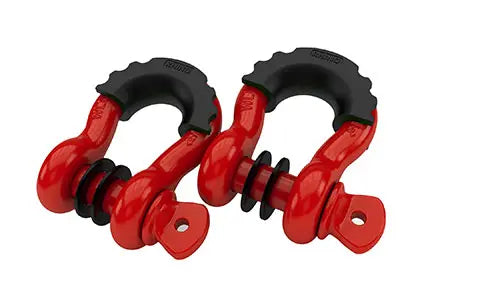
A tree saver strap is like a recovery strap but shorter in length. A recovery snatch block is the most effective connection to your anchor point and even provides additional pulling ability for your winch. If you do not have a snatch block, a d-ring shackle is what you will use to connect the two loop-ends around your anchor point (like the provided image). If you do not have these pieces of equipment you can order them from our online store.
-
Always use a tree strap to protect both the tree and the winch cable. Wrap the tree saver strap around the anchor point and connect the loop-ends with your d-ring shackle. Now connect the winch hook to the d-ring shackle.
-
Note: Do not wrap the winch cable back onto itself, as this can damage the rope.
-
-
Switch the winch back to “engaged” and remove slack.
-
Remember that lever you switched to “disengage”? You will need to flip that back to “engaged” before continuing. Once this is done use your remote control to gently pull the winch line tight.
-
Be sure to keep at least five to eight wraps of cable on the drum for safe winching.
-
Once your winch is properly rigged, you are ready to begin the recovery process.
Recovering Your Vehicle

Now that you have successfully rigged your winch using the steps above, you are ready for the recovery. Before you begin, make sure that all other bystanders stand clear and maintain a distance of at least 1.5 to 2 times the length of the cable being used. It is recommended to use a designated spotter to guide the winching operation and ensure safety. Use a winch damper to weigh down your winch line – this is a critical safety procedure in case the cable breaks, as it will help prevent the winch line from snapping back at your windshield or towards anyone nearby, protecting you and others from harm.
-
Start your vehicle’s engine.
-
With the winch remote control in hand, sit in your driver’s seat, and start your engine.
-
-
Gently winch your vehicle.
-
Using the remote control, start pulling your vehicle out. Work slow and steady. Pulling your vehicle out too quickly is dangerous. Stand clear of the winch line and snap-back zones during winching to avoid injury in case of a cable break. It should begin moving your vehicle forward as it slowly becomes unstuck. You can gently give the vehicle some gas but do this very carefully.
-
-
Secure your vehicle and unrig the winch.
-
Once your vehicle is free, set the parking brake and place the vehicle in park. After the vehicle is secured, disconnect the cable from the anchor point. Gently guide the cable back onto the drum while rewinding to ensure it is tight and neat. Now, unrig the winch carefully, and congratulations – you now know how to properly rig and use a winch.
-
Featured Product
Featured Product: Rhino USA Recovery Snatch Block
A recovery snatch block is one of the best winch accessories and essential pieces of off-road recovery gear, to have in your arsenal. It can almost double the pulling power of your winch and also provides for a safe connection to your tree saver strap anchor point. Rhino USA's heavy duty recovery snatch block has a 13.5 ton max breaking strength and comes with a lifetime warranty!

Winching Safety Checklist
Use this checklist to ensure safe and effective winch operation every time:
-
[ ] Always wear thick leather gloves and eye protection when handling the winch cable or rope.
-
[ ] Place a winch damper, heavy blanket, or jacket over the middle of the cable to reduce recoil in case of a snap.
-
[ ] Keep all bystanders at a safe distance—at least 1.5 to 2 times the length of the cable being used.
-
[ ] Ensure the winch is rated for the load, typically 1.5 times the weight of the vehicle.
-
[ ] Use short, steady pulls to prevent overheating the winch motor.
-
[ ] The vehicle being recovered should ideally be in neutral and driven slowly to assist the winch.
-
[ ] Disengage the clutch to pull the cable out manually in the "free-spool" position.
-
[ ] Engage the winch clutch to lock the winch drum back into position after setup.
-
[ ] Once the vehicle is free, set the parking brake and place the vehicle in park.
-
[ ] Gently guide the cable back onto the drum while rewinding to ensure it is tight and neat.
-
[ ] Use a designated spotter to guide the winching operation and ensure safety.
-
[ ] To double pulling power, use a snatch block to create a double-line pull.
-
[ ] Maintain constant, light tension on the rope during payout and retrieval to prevent tangles.
-
[ ] Disconnect the cable from the anchor point after securing the vehicle.
-
[ ] Improper winch use can result in severe injury or death.
-
[ ] Always keep body, hair, clothing, and jewelry clear of the winch cable, fairlead, and hook when operating the winch.
-
[ ] Always inspect your winch and winch cable before each use.
-
[ ] Always keep the area around the vehicle, winch, winch cable, and load clear of people and distractions while operating the winch.
-
[ ] Always use the hook strap when handling the hook.
-
[ ] Always apply your vehicle's park brake and/or park mechanism to hold the vehicle in place during winching.
-
[ ] Never attempt to 'jerk' a load attached to the winch with a moving vehicle.
-
[ ] Always ensure that at least five full turns of winch cable are wrapped around the winch drum at all times.
-
[ ] Always use a winch line damper to minimize the risk of injury if the line snaps.
-
[ ] Inspect the entire length of the cable for frays, kinks, or damage before use.
-
[ ] After use, fully unspool and clean the line before respooling to maintain equipment integrity.
-
[ ] When choosing a winch, take the gross vehicle weight rating (GVWR) and multiply it by 1.5 to determine the minimum winch capacity needed.
-
[ ] Winches come in several styles and intended uses, including utility winches, industrial winches, and portable winches.
-
[ ] Steel rope is extremely durable and good for both vehicle recovery and utility work, but it is heavier than synthetic rope and can develop rust.
-
[ ] Synthetic rope is lightweight and easy to handle, but it is more prone to abrasion and should be regularly inspected for frays or other damage.
-
[ ] A single 650 cold-cranking amp battery is usually sufficient; a dual battery system is not required.
-
[ ] Consult your local manufacturer for advice on the appropriate winch for your vehicle if in doubt.
-
[ ] A winch can help recover stuck vehicles from obstacles like mud, snow, ice, and sand.
-
[ ] Using a recovery snatch block can drastically improve the overall working load limit of a winch.
-
[ ] A tree saver strap can be used to safely wrap a winch line around a tree or rock during recovery.
-
[ ] Using a winch damper can prevent the winch line from snapping back and causing injury.
-
[ ] A single winch line pull is a basic winching technique that involves finding a solid mounting point for the winch.
-
[ ] Double and triple line snatch block assisted pulls can double or triple the pulling power of a winch.
-
[ ] Never use damaged or worn straps, chains or other rigging items.
-
[ ] Always wear gloves when handling winch cables to protect your hands.
-
[ ] Inspect your winch accessories regularly to ensure they are in good working condition.
-
[ ] Never replace a synthetic-rope winch cable with a consumer-grade polymer rope.
-
[ ] Always replace worn or damaged winch cables to prevent sudden failure.
-
[ ] Using a tree saver strap can extend the life of your winch cable.
-
[ ] Always turn off the remote or unplug from the vehicle when the winch is not in use.
By following this checklist, you can ensure your winching operations are as safe and effective as possible.
- Choosing a selection results in a full page refresh.