
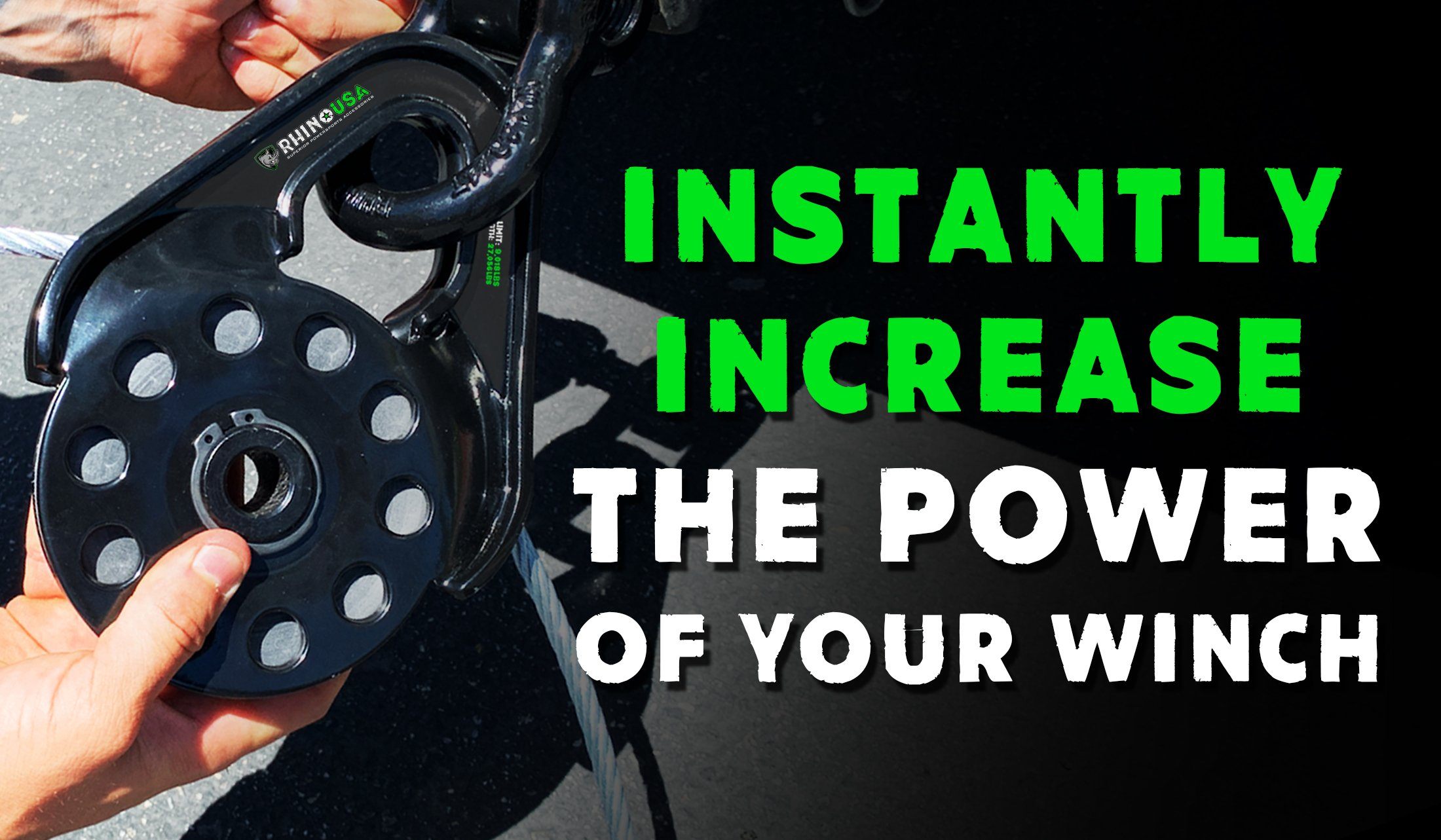
Instantly Increase the Pull Power of Your Winch
Link to product: Rhino USA Recovery Snatch Block
This recovery snatch block pulley is the latest off-roading equipment brought you by the team at Rhino USA.
Built for the toughest trails, and the ultimate adventurers that roam them. A Snatch Block is a type of pulley block, designed with a wheel or sheave to change the direction of force applied to a cable or rope. Snatch blocks are widely used across industries that need flexible, temporary lifting or pulling solutions. Not only are they perfect for moving heavy loads over a short distance, but also great for recovering a family member or friend that gets their vehicle stuck during a lengthy trail ride. Key advantages of snatch blocks include versatility, time savings, increased pulling capacity, and protection of your equipment.
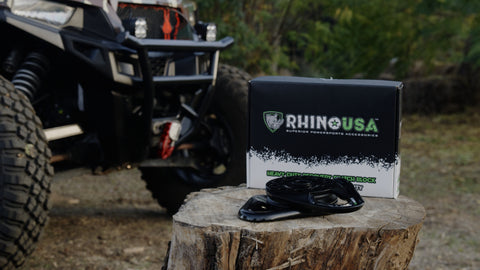
Check out the general specs of the Rhino USA Heavy Duty Recovery Snatch Block below.
27,056LBS Break strength
This adds a 13.5 ton break strength to your winch. By adding a Snatch Block to your setup, you can 'double the pulling' force of your winch—though this is an approximation, as friction and other factors prevent an exact doubling. While the pulling force is increased, the winching speed is reduced to half the speed.
Cutting edge construction
Engineered and constructed with high-tier performance in mind, this heavy duty pulley features a robust form with design elements that improve functionality, durability, and safety. The Snatch Block is crafted with a superior aerospace polymer pulley, 6mm powder coated drop forged steel, and a metal casing that protects the pulley mechanism and enhances durability. Some winch pulleys use aluminum sheaves or side plates for weight reduction and increased durability, offering performance benefits over heavier materials. The pulley incorporates a bearing to facilitate smooth rotation and reduce friction during operation. Compared to a standard block or standard pulleys, this product is lighter, more adaptable, and requires less maintenance.

Works with all winches
As Rhino USA does not offer a winch on their line of products, we designed this rugged Snatch Block to handle any synthetic rope & steel cable up to 3/8 in & Common 3/4in Shackles. For those seeking a lightweight, corrosion-resistant option, a synthetic shackle can also be used for compatibility. Always ensure all connections, including shackles and snatch blocks, are properly secured before winching.
Reduces heat buildup
By reducing heat build up and amperage draw, this Snatch Block will protect your synthetic rope from any potential damage caused by overheating.
All of Rhino USA's products come with a Lifetime Warranty. We believe in the strength and quality of our products and are proud to back them with this guarantee.
Understanding Mechanical Advantage
Mechanical advantage is at the heart of what makes a snatch block such a powerful tool in vehicle recovery, rigging, and a wide range of heavy-duty applications. In simple terms, mechanical advantage refers to the system’s ability to multiply the force you apply, allowing your winch to pull heavier loads than it could on its own. By integrating a snatch block into your winch system, you can dramatically increase your pulling power and tackle jobs that might otherwise be impossible.
When you use a single snatch block, you route your winch line or cable through the pulley and back to your vehicle or anchor point. This setup effectively doubles the pulling force of your winch—so if your winch is rated for 2,000 lbs, using a snatch block can boost that pulling force to around 4,000 lbs. The trade-off is that your winching speed is cut in half, but the ability to move heavier loads or recover a stuck vehicle is well worth it, especially in challenging situations.
The secret behind this increased power lies in the way the snatch block changes the direction of the pull and distributes the load across two lines instead of one. This not only makes it easier to recover vehicles from tough spots but also allows you to change the direction of your pull, which is essential in complex recoveries where a straight pull isn’t possible. The swing-open side plates on most snatch blocks make it easy to install them on your winch line, even in the field.
It’s important to remember that the actual mechanical advantage you achieve can be affected by friction within the pulley and the weight of the winch cable or synthetic rope. High-quality snatch blocks with smooth sheaves and heavy-duty bearings help minimize friction, ensuring you get as much pulling power as possible. Always check the working load limit of your snatch block and make sure it matches or exceeds the demands of your recovery job—never exceed the rated capacity, as this can compromise safety and equipment integrity.
Snatch blocks aren’t just for off-road vehicle recovery. They’re invaluable in marine applications, construction, and any scenario where you need to lift, tow, or move heavy objects. Whether you’re using wire rope or synthetic rope, make sure the sheave diameter and groove are compatible with your line to prevent damage and maintain efficiency. Synthetic rope is lighter and easier to handle, but both types can benefit from the reduced strain and increased power that a snatch block provides.
In summary, understanding and utilizing mechanical advantage with snatch blocks can make a world of difference in your recovery and rigging operations. By doubling your winch’s pulling force, allowing for directional changes, and reducing strain on your equipment, snatch blocks empower you to take on heavier loads and more complex recoveries with confidence and safety. Whether you’re on the trail, at sea, or on the job site, mastering the use of snatch blocks is a game-changer for anyone who relies on the power of a winch.
How to use a snatch block
A snatch block is a type of pulley block where one side plate swings open (opens on one side), often using a pin, allowing you to insert a rope or winch line midspan. This design makes snatch blocks quick and easy to integrate into a rope system at any point along the line. Using snatch blocks properly is essential for safety and efficiency in winching, rigging, and towing operations. Snatch blocks are commonly used with winches and lifting equipment to improve efficiency and safety, and are essential for towing applications.
There are several ways a snatch block can be used, depending on the type of recovery gear that you have and the kind of vehicle you are trying to recover:
With another vehicle:
-
Place the recovery vehicle directly across from the stuck vehicle.
-
Feed your winch cable from the recovery vehicle through the snatch block pulley, making sure the line does not drag on the ground to prevent damage.
-
Open the snatch block on one side by removing the pin, insert the cable, and close it securely.
-
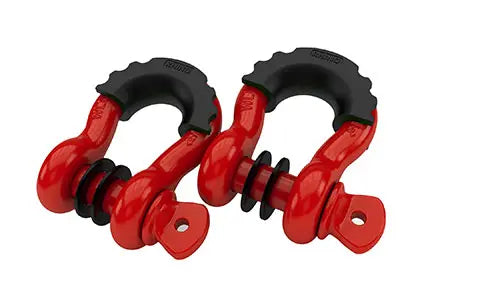
Attach the snatch block to the stuck vehicle using a d-ring shackle.
-
Run the winch cable back to the recovery vehicle and attach one end to the anchor point or bumper. Double-check that all components are secured before winching.
-
Always wear protective gloves during winching operations.
-
Place a line dampener over the cable to prevent snap-back if the line fails.
-
Tip: Never wrap the winch cable directly around a tree; use a tree saver strap to protect both the tree and the cable.
-
Tip: Multiple snatch blocks can be used in this configuration to increase the pulling power of the winch—using two snatch blocks can triple or quadruple pulling capacity for extreme recoveries.
-
Tip: Setting up a dual-angle pull with two snatch blocks allows for precise control of the direction of pull.
Without another vehicle:
The key to using a snatch block to recover your vehicle without another vehicle present is a recovery tree saver strap and d-ring shackles.
-
Feed your winch cable through the snatch block pulley, ensuring the line does not contact the ground.
-
Open the snatch block on one side using the pin, insert the cable, and close it securely.
-
Attach the tree saver strap securely around a tree and connect one end of the strap to the snatch block eye.
-
Run the winch hook back to your vehicle’s front bumper using another d-ring shackle, and make sure all components are secured.
-
Always wear protective gloves during winching operations.
-
Place a line dampener over the cable to prevent snap-back.
-
Tip: Never wrap the winch cable directly around a tree.
-
Tip: Using snatch blocks in this way can significantly increase pulling power and safety.
If you are ready to take your off-road recovery game to the next level, pick up your Rhino Snatch Block today from Amazon, or right here on the Rhino USA website.
FAQ's
What Is Winch Pull Power Enhancement?
Winch pull power enhancement refers to techniques or accessories that boost the pulling capability of a winch, allowing it to exert more force and handle heavier loads. This can involve using specialized tools, gear, or attachments to optimize the winching process.
Are There Any Safety Considerations When Enhancing Winch Pull Power?
While using techniques to enhance winch pull power can be effective, it's crucial to prioritize safety. Make sure the winch, cables, and attachments are all in good condition and well-maintained. Additionally, be cautious when using the snatch block technique to prevent cable damage or potential accidents. Always follow the manufacturer's guidelines and recommended weight limits to ensure safe and effective winching. We strongly recommend checking the manufacturer's stated working load limit and max breaking strength to avoid damage or injuries. Rhino USA's recovery snatch block has a working load limit of 9,018 lbs and a max breaking strength of 27,056 lbs.
- Choosing a selection results in a full page refresh.