




How to Properly Maintain and Store Your Retractable Ratchet Straps
|
|
10 Mins Read


|
|
10 Mins Read
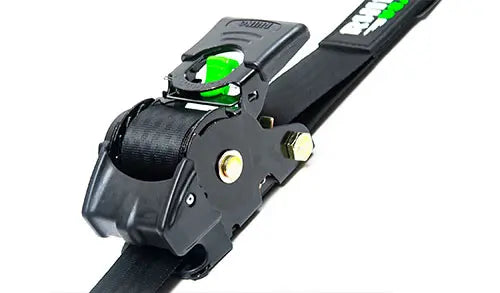
Retractable ratchet straps are handy tools for securing cargo, but knowing how to store ratchet straps properly is just as important for their longevity. They have a ratchet mechanism and a strap that winds up inside a housing. This design makes them easy to use and store.
You can use these straps for many tasks. They’re great for tying down items in trucks, trailers, and boats. They also work well for camping gear and outdoor equipment.
Proper care of your retractable ratchet straps is key. Good maintenance helps them last longer and work better. It also keeps your cargo safe during transport. The lifespan of ratchet straps can vary depending on how often you use them and how well you care for them.
When choosing retractable ratchet straps, quality matters. Rhino USA offers top-notch options that are strong and reliable. Their straps are made to handle tough jobs and last for years.
Here are some key features of retractable ratchet straps:
Compact storage
Easy to use
Adjustable tension
Durable materials
Taking care of your straps is simple. Clean them after use, check for damage, and store them properly. These steps will help you get the most out of your investment. Properly cared for and depending on usage, a ratchet strap can last five or more years. The frequency of ratchet strap replacement depends on several factors, including wear and tear.
Checking your retractable ratchet straps often is key to keeping them safe and working well. You should look them over before each use to catch any problems early.
Pay close attention to the webbing. Look for any frayed edges, cuts, or weak spots. Regularly inspect your ratchet straps for signs of damage, including frayed webbing, bent or corroded hardware, and malfunctioning ratcheting mechanisms. Even small damage can make the straps much less strong.
Don’t forget to check the hooks and ratchet parts too. Make sure they’re not bent, rusty, or loose. These metal pieces need to be in good shape to work right.
Set a schedule for deeper checks. Once a month is a good rule. This helps you spot wear that builds up over time.
During your inspection, test the ratchet mechanism. It should move smoothly and lock firmly. If it sticks or feels off, it’s time to clean or replace it.
Keep an eye out for:
Fading or sun damage
Stiff or brittle spots
Mold or mildew
Missing stitches
Inspect your ratchet straps regularly for signs of fading, brittleness, or corrosion. If you notice any signs of damage, it's crucial to replace the strap promptly to prevent compromising its strength and effectiveness.
If you find any of these issues, it’s best to replace the strap. Using damaged straps can be risky and lead to cargo falling.
Regular checks help your straps last longer. They also keep you and others on the road safe. Taking a few extra minutes to inspect your ratchet straps can help avoid failures during use. Make inspections a habit, and you’ll always be ready for your next trip.
Cleaning your retractable ratchet straps is key to keeping them in good shape. Here's how to do it right:
For light dirt, use warm soapy water and a soft brush. Gently scrub the straps to remove grime. Rinse with clean water and let them air dry completely.
If your straps are very dirty, try this method:
Lay the strap flat
Spray with soapy water
Scrub with a soft sponge
Rinse thoroughly
Air dry
Don't use harsh chemicals or bleach. These can damage the straps.
For tough stains, mix baking soda and water into a paste. Apply it to the stain, let it sit for 15 minutes, then scrub and rinse.
After cleaning, check your straps for wear. Look for fraying, cuts, or weak spots. Replace any damaged straps right away.
Clean your straps after each use in dirty or dusty conditions. For normal use, aim to clean them every few months.
Remember to dry your straps fully before storing them. This stops mold and mildew from growing.
Keeping your retractable ratchet straps working smoothly requires regular lubrication. This simple task can extend the life of your straps and make them easier to use. Proper maintenance of ratchets, including regular lubrication and replacing any damaged components, is essential to ensure durability and safety.
Choose the right lubricant for the job. A silicone-based spray or light penetrating oil works best. Avoid thick greases that can attract dirt and grime.
Before you start, clean the ratchet mechanism. Remove any dirt or debris that could interfere with the lubricant.
To apply the lubricant:
Spray or drip a small amount onto the moving parts
Lubricating the metal parts of the ratchet mechanism helps prevent rust and jamming.
Work the ratchet handle back and forth to spread the lubricant
Wipe away any excess with a clean cloth
Focus on the pivot points and gear teeth. These areas experience the most friction and need the most attention.
Lubricate your ratchet straps every few months if you use them often. For less frequent use, once or twice a year should be enough.
After lubricating, test the ratchet to make sure it moves freely. If it still feels stiff, you may need to apply a bit more lubricant.
Remember, a little goes a long way. Too much lubricant can attract dirt and make the mechanism stick. Use just enough to keep things moving smoothly.
Understanding proper ratchet strap operation protocols is not merely advisable—it's a fundamental requirement for cargo security compliance. To ensure you're adhering to established securing methodologies, always implement certified techniques and avoid violations that could result in equipment failure or cargo damage. Never exceed recommended tension specifications on your straps, as this constitutes improper usage that can result in catastrophic failure of the ratcheting mechanism, securing hardware, or cargo itself—potentially leading to thousands of dollars in damages. Instead, apply precisely calculated tension levels sufficient to maintain cargo stability without subjecting equipment to excessive strain that violates manufacturer specifications.
Compliance with weight capacity regulations for your ratchet strap system is mandatory, and exceeding these limits constitutes a serious safety violation. Overloading scenarios can result in complete system failure of both webbing materials and metal hardware components, creating substantial liability risks for your cargo and personal safety. Prior to each operational deployment, conduct thorough equipment inspections examining your straps for deteriorated webbing, corrosive damage, or any indicators of structural compromise. Identifying and addressing these deficiencies before they escalate into critical failures is essential for preventing costly transportation incidents and maintaining regulatory compliance.
By adhering to these established safety protocols and operational guidelines, you'll not only safeguard your cargo assets but also maximize the operational lifespan of your ratchet strap investment. Proper operational procedures and systematic maintenance programs work in tandem to prevent equipment degradation and ensure your securing systems remain deployment-ready for all transportation requirements.
Proper storage is essential for extending the life of your ratchet straps and ensuring they’re always ready for use.
Clean your straps before storage. Use mild soap and water to remove dirt and debris. Rinse thoroughly and let them dry completely. Regularly cleaning ratchet straps helps remove dirt, debris, and corrosive substances that can contribute to deterioration. Straps should never be stored wet; they must air-dry completely first, as moisture is the leading cause of mold, mildew, and hardware rust in ratchet straps.
Coiling or rolling means winding the strap into a tight, circular shape toward the ratchet, which helps avoid knots and prevents unraveling. Coil your straps neatly to prevent tangling. Start at one end and make loose loops, about 12-18 inches in diameter. This helps maintain the strap’s shape and prevents creasing. Coiling straps tightly toward the ratchet and securing them prevents unraveling. Rolling or folding ratchet straps before storing them helps avoid knots. Secure ratchet straps with Velcro or rubber bands to prevent tangling.
Store your straps in a cool, dry place away from direct sunlight. UV rays can weaken the material over time. Do not store ratchet straps outdoors for extended periods, as exposure to a lot of precipitation or weather can cause damage. Storing ratchet straps in a cool, dry, dark place helps avoid UV damage and rust. Storing ratchet straps in a cool, dry place away from direct sunlight can extend their lifespan. Always lock the ratchet mechanism in the closed position before storing to maintain its functionality.
Velcro or rubber bands: Secure coiled straps to prevent tangling.
Sock Method: The Sock Method involves rolling each strap and sliding it into an old, unmatched sock for protection from friction.
Pegboards or heavy-duty hooks: Hang straps for easy visual inspection and access.
Clear bins or labeled milk crates: Organize and protect straps from dust and moisture.
Weather-resistant storage bags: Rhino USA offers heavy-duty bags that keep your straps organized and protected from dust and moisture.
PVC pipe holder: A PVC pipe holder is a DIY solution where each strap is stored inside a section of PVC pipe.
Don’t store straps near chemicals or sharp objects that could damage them.
Check your straps regularly, even when in storage. Look for signs of wear or damage.
Label your straps if you have multiple sets. This makes it easier to find the right ones when needed.
By following these practices, you’ll extend the life of your retractable ratchet straps and ensure they’re ready for use when you need them.
Clean and dry straps completely before storage
Coil or roll straps and secure with Velcro or rubber bands
Store in a cool, dry, dark place away from sunlight
Avoid leaving straps outdoors or in extreme temperatures
Use weather-resistant bags, bins, or PVC pipes for organization
Hang on hooks or pegboards for easy access
Lock ratchet mechanism closed before storing
Inspect regularly for damage
Replace if damaged or after heavy use
Taking care of your retractable ratchet straps is key to keeping them in good shape. Let's look at some common mistakes you should avoid.
Over-tightening is a big no-no. It can damage both your straps and your cargo. Use just enough force to secure the load safely.
Don't ignore wear and tear. Check your straps often for signs of fraying, cuts, or other damage. Replace them if you spot any issues.
Using the wrong anchor points can lead to accidents. Make sure you're attaching the hooks to strong, stable points that can handle the load.
Dirty straps can wear out faster. Clean your straps after each use to remove dirt and debris. A simple wipe-down can go a long way.
Storing straps incorrectly can cause problems. Avoid coiling or knotting them, as this can create weak spots. Instead, hang them up or lay them flat.
Don't expose your straps to harsh conditions. Keep them away from direct sunlight, extreme temperatures, and moisture when not in use.
Skipping lubrication is a mistake. Apply a small amount of lubricant to the ratchet mechanism regularly to keep it working smoothly.
Remember, proper care extends the life of your straps and keeps you safer on the road.
Retractable ratchet straps don’t last forever. It’s important to know when to replace them for safety reasons.
Look for visible wear and tear. If you see fraying, cuts, or holes in the webbing, it’s time for new straps.
Check the metal parts too. Rust, bends, or cracks in the hooks or ratchet mechanism mean replacement is needed.
Pay attention to how well the straps hold tension. If they loosen quickly or can’t tighten properly, they’re not safe to use anymore.
Sun damage can weaken straps over time. Faded color or a brittle feel are signs to replace them.
After heavy use or about every 2-3 years, consider getting new straps even if they look okay. It is recommended to replace ratchet straps every 2-3 years under heavy use, depending on factors like wear and tear, frequency of use, and storage conditions.
Rhino USA straps are known for lasting longer than average. But even these high-quality straps need replacement eventually.
Remember, if you’re unsure about your straps’ condition, it’s better to replace them. Your safety is worth the cost of new straps.
Replacement Checklist:
Visible damage to webbing
Rusted or bent metal parts
Poor tension retention
Sun-faded or brittle straps
Age (2-3 years of regular use)
Always inspect your straps before each use. This helps you catch problems early and stay safe on the road.
Taking care of your ratchet straps is key to their longevity and safety. Clean them regularly with mild soap and water. Dry them completely before storing to prevent mold growth.
Store your straps in a cool, dry place away from direct sunlight. Coil them neatly to avoid tangles and knots. Consider using plastic wrap or storage bags for added protection.
Inspect your straps often for signs of wear or damage. Replace any straps that show fraying, cuts, or excessive wear. This helps maintain safety during use.
Choose high-quality straps from trusted brands like Rhino USA. Quality products tend to last longer and offer better performance.
By following these tips, you can extend the life of your ratchet straps. Proper care ensures they'll be ready when you need them, keeping your loads secure for years to come.


